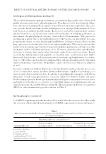
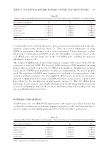
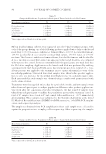
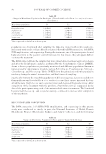
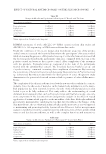
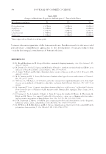
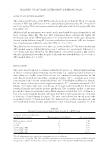
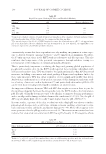
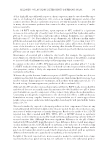
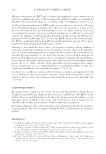
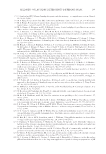
JOURNAL OF COSMETIC SCIENCE 100 conservatively assume that these respondents are only washing one garment at a time, expo- sure to diluted detergent can range between 5 and 35 min/week, at minimum. Therefore, the 15-min exposure times in the RIFT study are relevant to real-life exposures. This also reinforces that being aware of the potential consequences through mildness testing is a necessary part of the evaluation of commercial laundry detergents. This is particularly important considering the large and growing global population of people with sensitive skin. In the RIFT study reported here involving individuals with self-assessed sensitive skin, TFG was found to be signifi cantly milder than AFC by several measures, including corneometer and visual grading of dryness and erythema. In fact, by these same measures, TFG was either as mild as or even signifi cantly milder than water. And whereas erythema alone is often used as a measure of skin damage in surfactant stud- ies, a battery of measures such as hydration (25) and particularly skin surface pH (26–28) can be even more revealing with regard to mildness on sensitive skin. An important difference between TFG and AFC that might account at least in part for the mildness disparity between the two products in the RIFT study is the formulation pH. The pH of laundry detergents tends to be alkaline to improve cleaning performance and to avoid possible damage to fabrics from acidic conditions (19,29,30). Yet, the pH of AFC is particularly high (10.8), nearly 3 units higher than the pH of TFG (7.9). In some studies, exposure of the skin to solutions with a high pH was shown to induce physiological changes such as irritation, stratum corneum swelling, alterations in stra- tum corneum proteins and lipids, and barrier damage (31–34). These effects appear to be more pronounced as the pH approaches or exceeds 10. The measurements carried out here indicate that even a low concentration of AFC has a pH of nearly 10. The negative effects Table IV pH of Washed Cotton Fabric Fabric washing treatmenta pH of washed cotton fabric extracted with water Water 9.00 AFC 9.22 TFG 8.26 a Fabric is 5 g of 100% cotton T-shirt washed three times in a HE washing machine with the indicated treat- ment (water, TFG, or AFC liquid detergent) and then extracted with 50 mL of water for 2 h. Table III Liquid Detergent Solution pH Values and Residual Alkalinity Solutiona pH Reserve alkalinity (%)b TFG 7.9 — 10% TFG 8.2 0.81 AFC 10.8 — 10% AFC 11.0 1.55 a Ten percent or higher solutions of liquid detergent are typically used by consumers for hand-washing of fabric or for hand-prewashing of fabric before use of a commercial washing machine. b The amount (expressed as %) of 0.2 N HCl required to titrate the solution down to pH 5.5, the approximate pH of the skin surface. Reserve alkalinity was only determined on the 10% dilution, the approximate con- centration expected in a hand-fabric-prewash situation.

MILDNESS OF LAUNDRY DETERGENTS DIFFERING IN pH 101 of this high pH, especially with repeat or chronic exposure, may be exacerbated by expo- sure to or challenge by surfactants (34), such as in laundry detergents and in other cosmetic products. Because surfactants are present not only in laundry detergents but also in many other consumer products that contact the skin, exposure to a variety of surfac- tants is inevitable. In the 1-d RIFT study reported here, repeat exposure to AFC resulted in a signifi cant increase in skin surface pH of nearly 1 unit. It has been reported that higher skin surface pH can be associated with skin conditions such as itching, dermatitis, acne, and micro- bial infections (35–40). Particularly for atopic dermatitis, the difference in skin surface pH between lesional skin (pH 6.1) and non-lesional skin (pH 5.5) is less than 1 unit (35). In most cases, it is not clear whether the increased skin surface pH in these disorders is a cause of the disorder or is an effect of an existing skin disorder. However, in the case of atopic dermatitis, a causal relationship has been observed, specifi cally that increasing skin pH may cause an atopic skin condition (40). Maintenance of a normal pH is related to skin health. For example, the opportunistic yeast Malassezia, which resides on the skin, will release allergens as the pH rises, leading to increased risk of infl ammation and possibly triggering atopic eczema (41). In contrast to the effect of AFC, TFG maintained skin pH at a normal pH of 5.5 in the 1-d RIFT study after four exposures. This is a desired outcome for preservation of healthy skin properties, and it is likely also important for preservation of a balance in the skin’s normal microbial fl ora. Whereas the specifi c forearm chamber test protocol (RIFT) reported in this article is not a widely used method, forearm immersion and exposure chamber methods have long been used to evaluate skin responses to treatments, such as those with surfactants (24,42–45). In such testing, forearm responses are predictive of effects on hands (43). Although the AFC product increased skin surface pH in the RIFT study, increased pH in and of itself does not necessarily cause skin irritation (46–48). In addition to pH of deter- gent formulations, specifi c components of the products likely play a role in skin mildness. Connecting specifi c product ingredients to the observed skin effects is diffi cult because formulations are very complex however, it is recognized that use of certain types of ma- terials such as anionic surfactants with long alkyl-chain lengths will yield milder formu- lations (49,50). Skin is also indirectly exposed to detergent products or their components if there are any residual materials left behind on fabrics after they are washed. In fact, this is the most com- mon route of indirect exposure to laundry detergents. Based on the results of the 21DCIT reported here, fabrics washed with TFG, TPFG, AFC, or AFCMP showed no signifi cant increases in skin irritation as assessed by visual erythema grading among subjects with self- assessed sensitive skin. Although there were signifi cant differences in the pH of fabrics washed with TFG and AFC liquid detergents, those differences did not result in an impact on skin mildness in the 21 DCIT, based on erythema as the end point. It is worth noting that these results support other work with these two laundry detergent products under patch on the human skin which revealed that both products are mild, with no signifi cant differences between the two, again based on erythema as the end point (16). In light of the work reported here, more research is needed to understand how a long- used method such as patch testing was not suffi cient to detect the substantial product
Purchased for the exclusive use of nofirst nolast (unknown)
From: SCC Media Library & Resource Center (library.scconline.org)