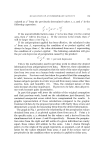
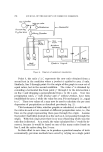
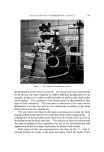
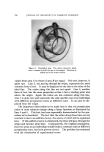
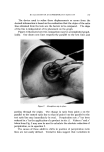
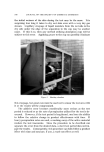
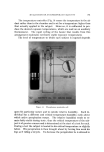
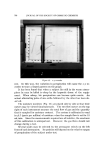
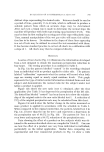
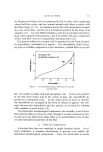
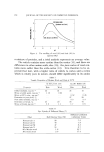
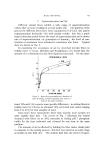
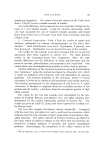
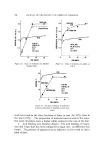
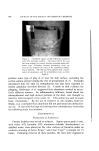
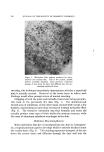
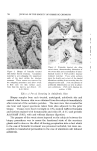
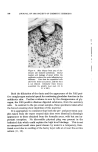
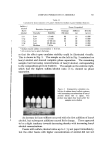
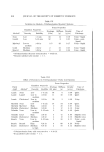
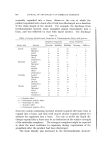
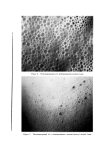
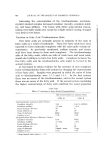
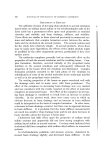
760 JOURNAL OF THE SOCIETY OF COSMETIC CHEMISTS Figsire 10. Moisture monitor assembly series requires sufficient visibility for locating placement marks exactly. Note the concentric sections. Dry air in the center one sweeps away the moisture for measurement while a vacuum in the outer section holds the cup in place. A vacuum of more than 130 mm should never be used, as this may injure the subject. Preferably it should remain between 50-75 The cups are placed into the shaved axillae of the subject after he has been rolled into the heating chamber (Fig. 7) and is comfortable on his back. The gas stream is turned on at about 1200 cc per minute, and the whole system is allowed to dry down. The subject should not be perspir- ing at this point. The heating chamber (Fig. 8) consists essentially of a large inverted box on legs into which a subject, lying on his back, may be rolled. His holding the trapeze-like accessory both positions and limits the motion of his arms which may disturb the cups. With the side doors closed the temperature is raised by a circulating hot air blower and controlled by an electronic temperature sensing device. A clear plastic plate (6 ram) has been used throughout its construction to forestall claustrophobic tend- encies of the subjects by allowing them to see out on all sides.

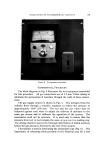
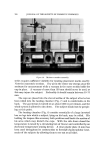
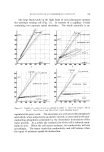
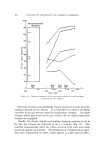
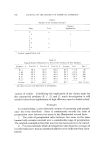
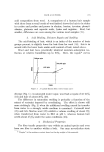
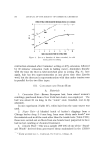
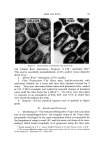
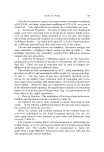
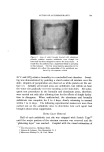
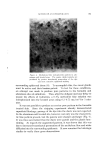
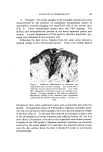
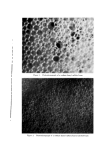
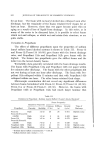
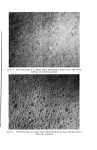
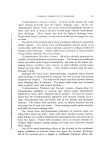
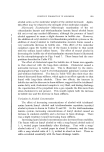
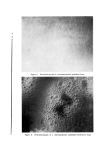
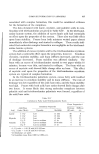
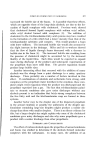
EVALUATION OF ANTIPERSPIRANT ACTIVITV 761 The temperature controller (Fig. 9) senses the temperature in the air duct rather than in the chamber and is set for a temperature higher than that actually applied to the subject. However, it is calibrated to pro- duce the desired exposure temperatures, which are read on an auxiliary thermometer. The rapid eyeling of the heater that results from this arrangement maintains extremely stable exposure temperatures The level of temperature to which each subject is exposed depends Figure 11. Phosphorous pentoxide cell upon his particular nature and to outside relative humidity. Each in- dividual has a different and critical temperature-humidity ratio above which active perspiration ensues. The relative humidity tends to re- main fairly stable during tests thus the critical temperature of the sub- ject is of greater concern and is determined at the start of a test for each. During a test the subject is heated to his critical temperature or slightly below. His perspiration is then brought about by having him work his legs as if riding a bicycle. To decrease the perspiration he is allowed to
Purchased for the exclusive use of nofirst nolast (unknown)
From: SCC Media Library & Resource Center (library.scconline.org)