J. Soc. Cosmetic Chemists 19 461-467 (1968) (• 1968 Society of Cosmetic Chemists of Great Britain The metabolism of steroids by Cladosporium herbarum P. H. COXt and B. A. SEWELL* Synopsis--The use of steroids as a substrate by Cladosporiurn herbarum has been demon- strated. The use of thin layer chromatography techniques has facilitated the detection of metabolites in micro quantities and could be suitable for the rapid assessment ooe problems relating to mould growth in pharmaceutical and cosmetic emulsions, particularly those containing steroids. The conversion of progesterone and desoxycorticosterone to testosterone acetate has been demonstrated. The metabolism of hydrocortisone, which in theory would be converted to 11-[t-hydroxytestololactone, was observed to halt with the formation of androst-4-enc- 1 l•-ol-3:17-dione. It is possible that the presence of an 11[• hydroxyl group in the hydro- co•isone molecule acts as an enzyme block. INTRODUCTION In the course of formulation studies on an o/w cream for dermato- logical use, it was observed that a black mould occurred as a contaminant on certain of the formulae under investigation. The mould was particularly prevalent on a cream containing hydrocortisone. This cream, which contained methyl and propyl p~hydroxybenzoate as preservatives, had a water content of 62%, and a pH between 4.3-4.7. The mould was identified (1) as being Cladosporium herbarum and its apparent preference for the cream containing hydrocortisone led the authors to suspect that the fungus was utilising the steroid as a substrate. It was felt that a study of the metabolic pathway would be of general interest, and that the techniques used might be of value in assessing methods of preservation. • Miles Laboratories, Ltd., Bridgcnd, Glare. •' Now with N.V. Organon, Oss, Netl•erlands. 461

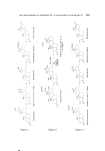
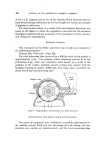
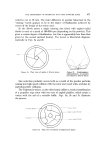
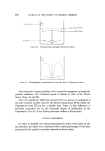
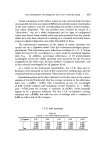
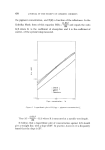
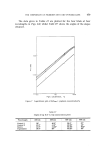
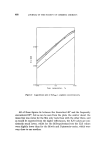
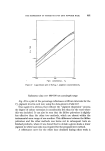
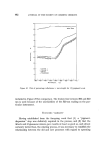
4432 JOURNAL OF THE SOCIETY OF COSMETIC CHEMISTS THEORY It has been observed by several authors (2, 3) that a number of fungi will utilise steroid compounds as substrates, and several patents have been registered utilising this type of biochemical reaction to modify steroid molecules (4-t3). Fonken, Murray and Reineke (2) outlined the metabolism of progesterone to testosterone acetate and testololactone by Cladosporium resinae. The patent literature already mentioned, and the results of these earlier studies, indicate that at least some of the degradation pathway is probably due to oxidative enzymes. The degradation of progesterone by Cladosporium resinae was outlined by Fonken et al (2) and is shown in Fig. 1. On the assumption that Cladosporium herbarum acts in a similar manner to C. resinae and that the difference in the C •7 side chains of hydrocortisone and progesterone is not significant in this context, then a metabolic pathway for hydrocortisone can be postulated which leads to the formation of 11-13-hydroxytestololactone. In fact this reaction was observed to halt with the formation of androst-4-ene-ll•-ol-3:17-dione (Fig. 2). In order to check that C. herbarum metabolises steroids in a similar manner to C. resinae, the metabolism of progesterone by C. herbarum was studied, and compared with the results of Fonken et al shown in Fig. 1. If, as we had assumed, the C•7 side chains do not affect the metabolic pathway, then the metabolism of hydrocortisone by C. herbarum will follow Fig. 2. Provided that the difference in the substituents at C•? does not influence the metabolic pathway, then desoxycorticosterone will be metabolised to androst-4-ene-3:17-dione and ultimately to testololactone in the same way as progesterone (Fig. $). As a further check on this postulation, the metabolism of desoxy- corticosterone by Cladosporium herbarum was also studied. EXPERIMENTAL Previous workers on the metabolism of steroids by fungi have utilised macroscopic methods to determine the nature of the metabolites, and have often been concerned with the possible commercial exploitation of the reactions. In this case, the authors were guided by two criteria, firstly to verify the metabolic pathway, and secondly to find a method of detecting these in the micro quantities which would occur in a contaminated pharma- ceutical emulsion.
Purchased for the exclusive use of nofirst nolast (unknown)
From: SCC Media Library & Resource Center (library.scconline.org)