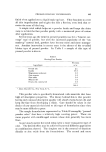
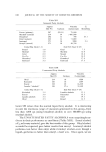
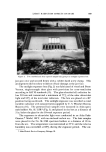
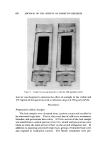
602 JOURNAL OF THE SOCIETY OF COSMETIC CHEMISTS are generally used for cake tone and sparkle and not for feel. They are relatively coarse when compared to the various grades of bismuth oxy- chloride which have more slip and luster when applied to skin. The bismuth oxychloride material is more compressible than the mica coun- terparts which are difficult to press in concentration above 15%, without special binders. Water, alcohol, and emulsions have been used as successful binding agents when high amounts of titanium-coated mica are used in pressed powder lornrelations. If a special binder is not employed a spongy, crumbling cake is pro- duced, due to the laminar quality of mica. M',:tr•y formulations con- tain blends of bismuth oxychloride and titanium-coated mica products in order to achieve combined top tone and skin effects. Bismuth prod- ucts are not light-fast and may darken on extended exposnre to daylight. QUALrr¾ CONTROL METHODS There are several basic steps in the quality control of pressed powder. First, and perhaps foremost, is the checking of colors to be used in the cake. Usually colors are checked for shades by making a 1% dilution in any standard talc, and the solution is then micropulverized through a 0.027-in. screen. Certain tolerances must be allowed for, as there are some slight variations from color batch to color batch. Color differences should be critically evaluated if the pigment is on the dirty or gray side, as it is possible to alter a final shade towards the gray side but almost impossible to brighten one on the gray or dirty side. Talcs, kaolin, and other fillers do not require too elaborate checking except for an occasional spot check of their specifications. Note should be taken o1: the color of the talc itself, as talc is the major ingredient in most powders, and differences in color may affect the finished cake tone. Raw materials, especially talcs and pigments, should be continuously checked for bacteriological contamination. A discussion dealing with make-up would not be complete without considering the technical aspects of formulation, evaluation, and press- ing of these products. FORMULATION ASPECTS Pressed powder technology can be divided into two basic areas of formulation. The first group comprises those cake powders that are ap- plied to the face or cheek area. Those cakes that are applied all over the [ace area called "pressed powder" cakes. Their intended use is either as a complete make-up finish to the face when applied alone, or as a

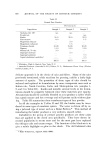
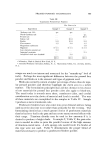
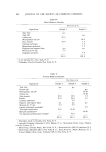
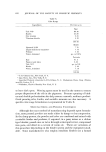
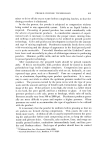
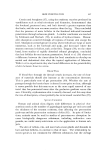
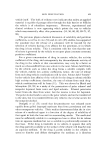
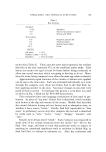
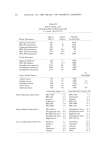
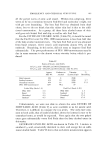
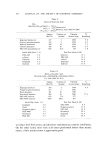
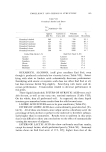
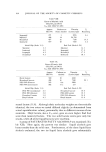
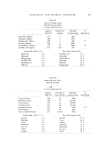
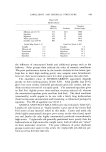
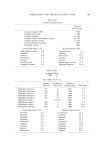
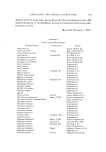
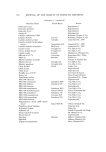
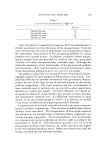
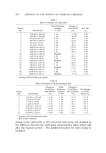
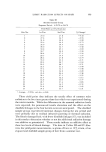
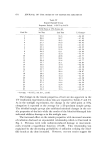
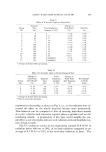
PRESSED POWI)ER TECHNOLOGY 603 finish when applied over a liquid make-up base. They function to cover all skin imperfections and to give the skin a flawless, even look that re- mains the same all day long. A simple trick which helps set a powder finish and keeps the shine away is to blot the face powder gently with a moistened piece of cotton after application. Several years ago the trend in pressed powders was for a "heavier cov- erage" type of powder, but with the increased popularity of the "un- made-up" natural look, powders have become more and more transpar- ent. Another innovation in recent years is the advent of the so-called blotter type of pressed powder. In Table I a sample of this type of pressed powder is shown. Table I Blotting Face Powder Per Cent Ingredients w/w French talc q.s. Kaolin 35.0 Magnesium carbonate 3.0 Zinc stearate 5.0 Zinc oxide 5.0 Microeel E s 1.0 I Iea W visc. mineral oil 5.0 100.0 Johns Manville Co., New York, N.Y. This powder cake is specifically formulated with •naterials that have high oil absorption properties. The theory behind this is that powder having such unusual absorption quality will absorb excess facial oils and keep the face from developing a shine. Care should be taken in the choice of raw materials that lend to this type of formulation since they may be more difficult to press. The sa•nple formulations represented in Table II exemplify "pressed powder cakes" that have a relatively high covering power. These are more popular with •niddle-aged women whose skin generally has more flaws. As previously stated, the trend today is for a more transparent type of cake. The desired effect may be achieved by several different approaches or combinations thereof. The simplest one is the removal of titanium dioxide or zinc oxide from the formulations. The second and more
Purchased for the exclusive use of nofirst nolast (unknown)
From: SCC Media Library & Resource Center (library.scconline.org)