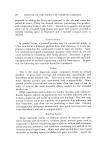
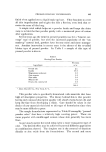
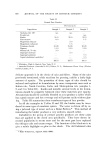
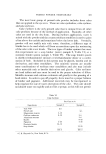
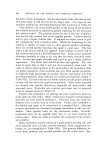
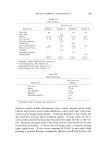
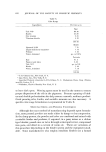
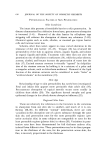
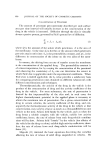
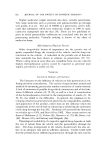
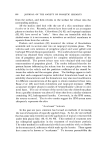
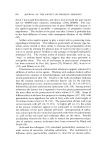
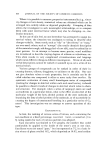
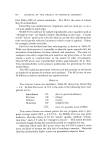
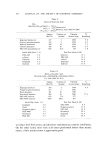
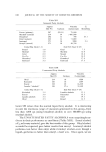
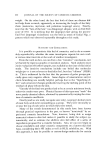
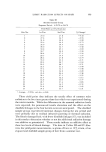
604 JOURNAL OF THE SOCIETY OF COSMETIC CHEMISTS Table II Pressed Face Powders Per Cent w/w Ingredients Sample I Sample 2 Sample 3 Alabama talc 141a q.s. q.s .... French talc ...... q.s. Kaolin 16.0 20.0 10.0 Zinc stearate 4.0 ... 1.5 Magnesium stearate ... 3.0 ... Magnesium carbonate ... 1.5 ... Titanium dioxide 10-20 15-20 10-20 Pigment 1-10 1-10 1-10 Mineral oil, 70 visc. 3.0 ...... Isopropyl myristate ... 2.5 ... Isopropyl palmitate ...... 1.5 Liquid cholesterol emulsifier b ...... 1.5 100.0 100.0 100.0 Whittaker, Clark & Daniels, New York, N.Y. Amerchol Products (Amerchol L-101), Edison, N.J. Maimstrom Chem. Corp. (Nimles- erol-D), Linden, N.J. delicate approach is in the choice of talcs and fillers. Many of the talcs previously mentioned, while excellent for pressing, exhibit a fairly high amount of opacity. The quantities of these types of talcs should be reduced and replaced in formulations by more transparent ones such as Italian talc, North Carolina, India, and Metropolitan talc (samples 1, 2, and 3 in Table III). Kaolin and metallic stearate levels in the formu- lations should be propertly balanced since these materials give opacity. All materials should be carefully blended so as to produce a tablet which has a good texture and low coverage and still presses easily without glaz- ing. Table III summarizes these translucent types of face powder. In all the examples in Tables II and III, the binder may be intro- duced in some type of emulsion system. The water is driven off by us- ing a jacketed type of mixer such as a Baker-Perkins.* This method of introducing the binder produces a very uniform, smooth tablet. Included in the •oup of pressed powder products are those cakes that are applied to the cheek area specifically. They have shown in- creased popularity in recent years and for the most part have replaced the old type cake and cream rouges. The function of the blush-on is to give a subtle highlight or glow to the cheek. The old fashioned cake Baker-Perkins Inc., Saginaw, Mich. 48601.

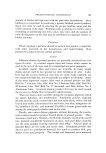
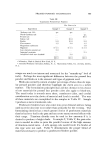
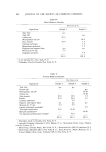
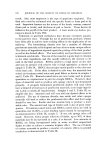
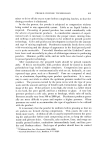
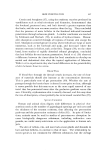
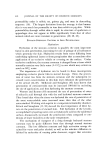
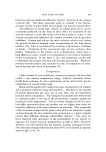
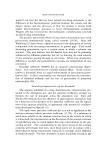
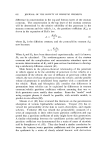
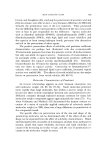
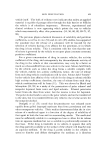
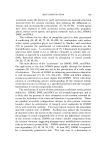
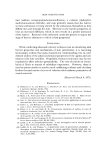
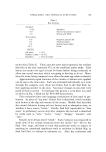
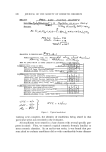
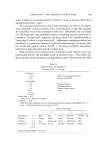
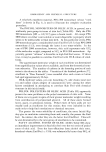
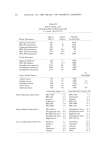
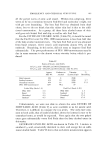
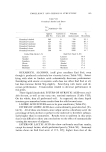
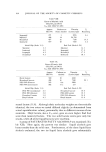
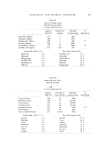
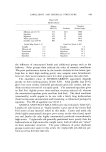
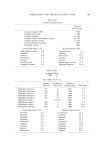
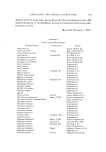
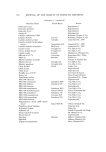
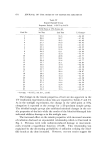
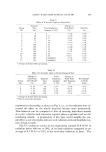
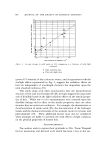
PRESSED POWDER TECHNOLOGY 605 Table III Translucent Pressed Face Powders Per Cent w/w Ingredients Sample 1 Sample 2 Sample 3 Alabama talc 141 a q.s. q.s. North Carolina talc ...... French talc ...... Italian talc ... 30.0 Kaolin 5.0 10.0 Zinc stearate 1.5 3.0 Magnesium carbonate ...... Pigments 0-1.5 0-1.5 Low viscosity mineral oil 3.0 ... Isopropyl myristate ...... Acetylated wool wax alcohols ø . . . 3.0 100.0 100.0 ß • . 30.0 ß . 50 1 5 1 0 0-1 5 ß . 25 ß . 100.0 a Whittaker, Clark & Daniels New York, N.Y. 0 Amerchol Products (Acetulan), Edison, N.J. Maimstrom Chem. Co. (Acetol), Linden, N.J. rouges are much too intense and unnatural for the "unmade-up" look of today. Perhaps the most significant difference between the pressed face powder and blush-on is the amount and types of pigment used. Blush-ons normally contain a higher percentage of lakes than do regu- lar pressed powders and therefore highlight the cheek area in a subtle manner. The formulation principles that aid the chemist in his choice of raw materials for pressed face powder cakes also apply to blush-ons. The trend today is towards more sheer, translucent cakes, and careful consideration as to the choice of material and levels is needed. The uses of these materials are exemplified in the samples in Table IV. Sample 1 produces a more translucent cake. Pearlescent blushers have also come into great demand and are being used more for day time wear rather than primarily for the evening. The formulating chemist has a much greater choice of pearlescent materials than he had ever had in the past and can create many unusual effects with their usage. Titanium dioxide may be used in low amounts if it is desired to produce a bright shade. In sample 2, Table V, the gum solu- tion is needed in order to press the powder because of the high amount of titanium-coated mica. A soft, spongy cake would result if a binder of this type were not used. Table V demonstrates the proper blend ot: materials necessary to produce a pearlescent blusher powder.
Purchased for the exclusive use of nofirst nolast (unknown)
From: SCC Media Library & Resource Center (library.scconline.org)