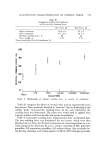
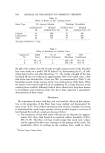
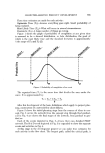
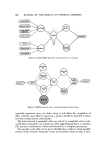
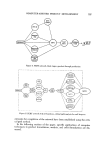
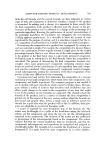
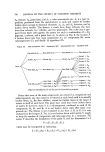
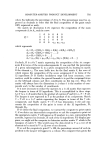
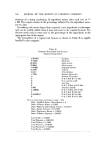
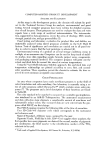
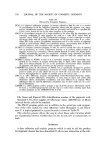
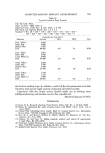
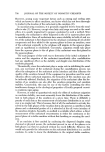
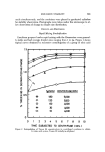
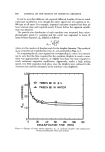
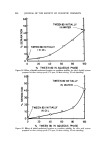
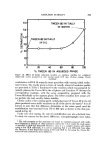
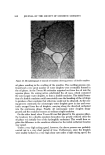
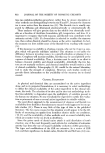
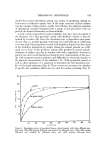
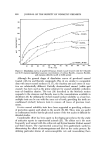
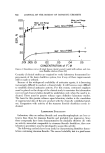
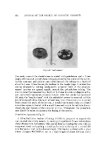
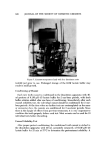
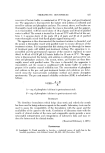
EMULSION STABILITY 809 6ø t o 3o • 20 lO o o ! I TWEEN _ IN OIL '-• O 80 INITIALLY TWEEN 80 I N I TI ALLY IN WATER • ) i r i I 20 40 60 8O 100 % TWEEN 80 IN AQUEOUS PHASE Figure 12. Effect of initial surfactant location on emulsion stability oeor octyldecy] triglyceride system prepared at slow •nixing speed (170 rpm, 18-hour mixing, 15-rain standing) combination at HLB 10 using the same procedure with varying initial surfac- rant location. The results given in terms of visually observed emulsion quality are presented in Table I. Emulsion O is the emulsion which was prepared by initially placing the Tween 80 in the oil phase and Emulsion W denotes the corresponding emulsion, with the same composition, prepared with the Tween 80 initially in the aqueous phase. The better emulsion here means a fi- ner particle size and, usually, better stability. Clearly, under a slow mixing speed, initial placement of Tween 80 in the oil phase produced more stable emulsions in all of the above oils tested.* It is of interest to note that this difference diminishes as the mixer speed used for emulsification was increased from 170 to 650 rpm as shown in the data pre- sented in Fig. 13. Under very slow mixing, the rate of emulsification was also relatively low. To study the reasons for the above difference, microphotographs were taken * The only exception to this statement was found in emulsions prepared with multi- sterol dispersed in mineral oil. This material is sold in the U.S.A. under the trade names of Amerchol L-101© and Ritachol©. Ilowever, since it is a complex mixture with sterols acting as low HLB surfactants, it is not too surprising that it acts differently from other oils. Moreover, it was found that raising of the total HLB by increasing the Tween 80 / Arlacel 80 ratio reduced the above difference.

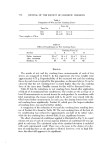
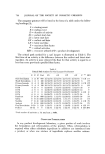
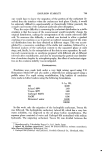
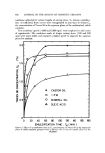
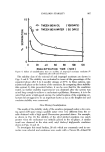
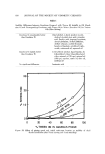
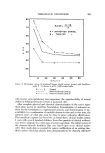
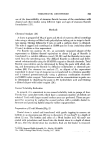
810 JOURNAL OF THE SOCIETY OF COSMETIC CHEMISTS Table I Stability Difference between Emulsions Prepared with Tween 80 Initially in Oil (Emul- sion O) and Corresponding Emulsions with Tween 80 in Water (Emulsion W) for Various Oils (Slow Mixing) Emulsion O considerably better than Emulsion W Emulsion O slightly better than Emulsion W No significant difference Oleyl alcohol, n-decyl alcohol, 2-octyl- dodecyl alcohol, oleic acid, ricinoleic acid, linoleic acid, isopropyl myristate, dioctyl phthalate, dicthyl phthalate, diethyl sebacate, methyl benzoate, hexadecyl lanolate, octyldecyl trigly- ceride, cottonseed oil, rapeseed oil 2-tlcxyldecyl alcohol, liquid lanolin, di~ 2-hexyldecyl ether, 2-hexyldecyloctyl ethcr, mineral oil (70 cps), mineral oil (350 cps), squalan, castor oil, olive oil, soybean oil Isostearic acid 3O • 20 •1o 0 20 40 60 80 100 % TWEEN 80 IN AQUEOUS PHASE Figure 13. Effect of mixing speed and initial surfactant location on stability of oleyl alcohol emulsions (after 5-rain mixing and 3-rain standing)
Purchased for the exclusive use of nofirst nolast (unknown)
From: SCC Media Library & Resource Center (library.scconline.org)