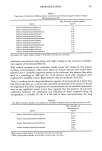
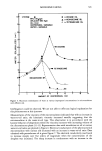
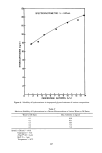
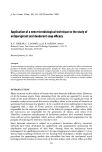
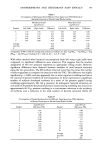
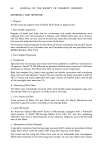
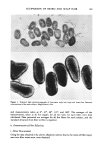
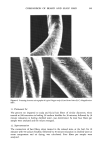
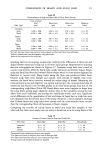
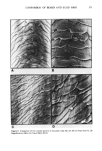
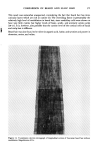
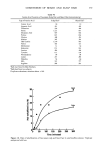
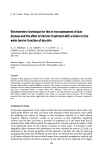
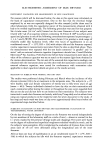
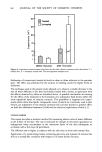
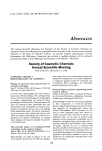
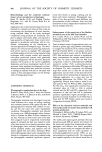
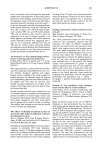
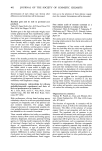
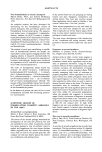
COMPARISON OF BEARD AND SCALP HAIR 373 / " . .-,- ......... . • .... . ": :.. ':. •'• •,' .... _ ........... .• % .-•.... • ... ...... , ..... •.. • :.: ........ ,•.: . .. ,.• ............ • • ..... :. ...... .......... ::•, • ' •-' . '- .• .• . c .... -• • • . • •'-' • . : • .•: • • • . :.'.• •. . ..• ' '.-•- • -- '• '" :-r • •':'• • " *•' •, •'• •- : . . -.:., • •.. • • • • .-• •."'. ... - ". .• .. - . • .. . • -. . • . Figure 9. Comparison of the cuticul• patterns of Caucasian scalp hairs (A, B) and beard hairs (C, D). Magnifications l•x (A, C) and 2•x (B, D).

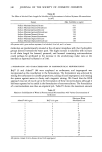
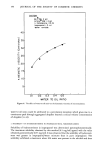
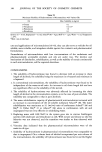
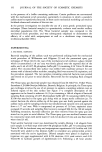
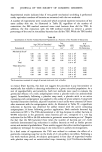
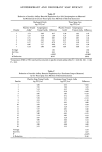
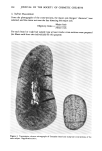
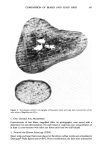
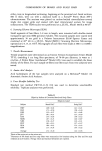
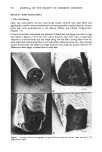
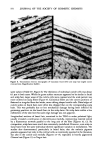
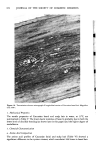
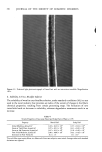
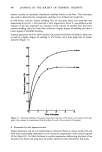
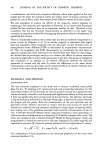
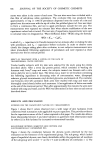
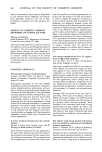
374 JOURNAL OF THE SOCIETY OF COSMETIC CHEMISTS • •.. • --. •_ • - • - . • . '• • • . - ':- •e -" • ,• • •" • - '• • , ' "' .• • •" •"'• • . 2.. • '•' '•*' --' • '• " " . .:•,_ . • . • .... ' ' . •.•* '" , , . • •,.• ,•' . • •. ? . • .•,. •, •,. .. ., • . . . . •.•.. Figure 10. Transmission electron micrograph of longitudinal section of Caucasian beard hair. Magnifica- tion 2750x. 2. Mechanical Properties The tensile properties of Caucasian beard and scalp hair in water, at 21øC, are summarized in Table V. The lower elastic modulus of beard is probably due to both the lower level of disulfide bonding (as shown later in this paper) and the higher degree of medullation. 3. Chemical Characterization a. Amino Acid Composition The amino acid profiles of Caucasian facial and scalp hair (Table VI) showed a significant difference in the cystine content, which was about 18% lower in beard hair.
Purchased for the exclusive use of nofirst nolast (unknown)
From: SCC Media Library & Resource Center (library.scconline.org)