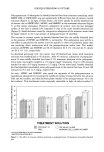
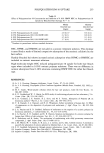
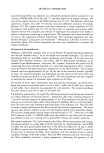
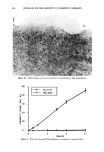
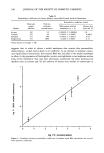
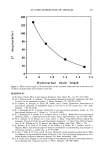
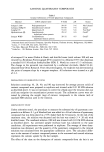
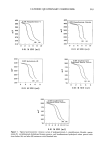
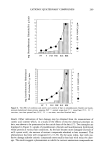
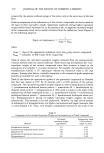
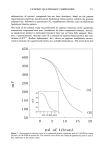
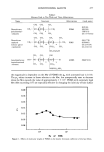
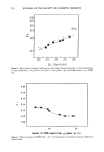
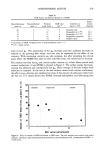
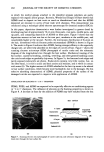
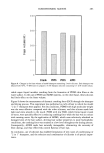
CONDITIONING AGENTS 279 Table II HLB Values and Solution Behaviors of POES Surface Dimethylsiloxane Polyoxyethylene Ethylene HLB value Solubility in tension units: m units: n oxide mole: a calc.* water at 25øC (dyn/cm) 60 3 4 3 Insoluble (oil) -- 75 3 11 5 Dispersible (L.C.**) 20.2 45 3 11 6 Dispersible (L. C. **) 20.2 25 3 11 8 Dispersible (emulsion) 20.7 6 3 14 13 Soluble (clear) 22.0 * Calculation of HLB: (weight percent of polyoxyethylene units) •- 5. ** L.C., liquid crystal. with its low IXk. The mechanism of the IXk increases and then suddenly decreases in relation to the growing Mw values, and this may be explained by the effect of the viscosity. With increasing viscosity, Ixu also increases, but after exceeding the critical point where the PDMS films take on more solid-like form, the values start to decrease. The relation between the IXu and critical surface tension (•/c) of hair fibers treated with cationic surfactants (1) and PDMS is plotted in Figure 2. The surface energy decreases, causing low adhesion and consequently low Ixu, when coverage of the hair surface with lubricant is complete. In the case of the hair surfaces treated with cationic surfactants, the effect on Ixu decrease was explained in terms of the amount of surfactant sorbed onto the hair (1). It is clearly shown that PDMS, forming hydrophobic and lubricating thin 120 60 20 o (insoluble) (dispersible) (soluble) I I I I I I I I I ! I I I • 0 5 10 1tLB value(ealuelated) Figure 4. Plots of amount of POES deposition vs HLB value. The hair samples were treated with model shampoo (disodium polyoxyethylenelaurylethersulfosuccinate/amidoaminoacid triethanolamine/POES = 12/8/4 wt%).

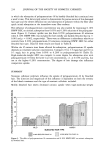
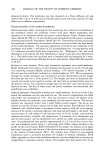
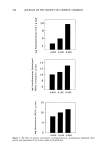
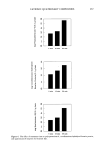
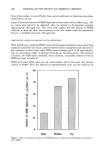
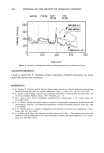
280 JOURNAL OF THE SOCIETY OF COSMETIC CHEMISTS films of hair surface, is more effective than cationic surfactants in improving the surface characteristics of hair. Figure 3 shows the amount of PDMS deposited on hair surface and the effect on }x k. The }x k values were found to be depressed when the amount as Si deposited exceeded approximately 100 •zg/g hair. This result may suggest that the amount of PDMS sufficient to form the film, which persists on the hair surface under the mechanical friction, is probably more than 100 •zg/g hair. DIMETHICONE COPOLYOLS (SILICONE GLYCOL COPOLYMERS) With dimethicone copolyols (POES), some methyl groups attached to silicon have been replaced by polyether side chains, namely ethylene oxide or propylene oxide polymers or the copolymer of these. Since most POES contain enough glycol to be water-soluble, they are particularly useful in shampoo formulations requiring clarity. The chemical structures, the HLB values calculated, water solubility, and surface tension of various POES are listed in Table II. POES with lower HLB values are not water-soluble, and in this sense they become similar to PDMS. With the addition of polyoxyethylene units and the reduction of 100 8O 60 40 20 ......................... -- iiiiiiiiiiiiiiiiiiiiiiiil ......................... ::::::::::::::::::::::::: ::::::::::::::::::::::::: ::::::::::::::::::::::::: ::::::::::::::::::::::::: .................................................. ::::::::::::::::::::::::: ::::::::::::::::::::::::: :::::::::::::::::::::::: ::::::::::::::::::::::::: :::::::::::::::::::::::: ::::::::::::::::::::::::: ::::::::::::::::::::::::: ::::::::::::::::::::::::: ::::::::::::::::::::::::: :::::::::::::::::::::::: ................................................. ................................................. ::::::::::::::::::::::::: :::::::::::::::::::::::: :::::::::::::::::::::::::: :::::::::::::::::::::::: :::::::::::::::::::::::::: ::::::::::::::::::::::::: :::::::::::::::::::::::::: ::::::::::::::::::::::::: ::::::::::::::::::::::::: :::::::::::::::::::::::::: ::::::::::::::::::::::::: :::::::::::::::::::::::::: :::::::::::::::::::::::::: ::::::::::::::::::::::::: :::::::::::::::::::::::::: :::::::::::::::::::::::::: ::::::::::::::::::::::::: :::::::::::::::::::::::::: :::::::::::::::::::::::::: ::::::::::::::::::::::::: :::::::::::::::::::::::::: :::::::::::::::::::::::::: ::::::::::::::::::::::::: :::::::::::::::::::::::::: :::::::::::::::::::::::::: ::::::::::::::::::::::::: :::::::::::::::::::::::::: ::::::::::::::::::::::::: :::::::::::::::::::::::::: .......................... ::::::::::::::::::::::::: :::::::::::::::::::::::::: :::::::::::::::::::::::::: ::::::::::::::::::::::::: :::::::::::::::::::::::::: :::::::::::::::::::::::::: ::::::::::::::::::::::::: :::::::::::::::::::::::::: :::::::::::::::::::::::::: ::::::::::::::::::::::::: :::::::::::::::::::::::::: :::::::::::::::::::::::::: ::::::::::::::::::::::::: :::::::::::::::::::::::::: :::::::::::::::::::::::::: ::::::::::::::::::::::::: :::::::::::::::::::::::::: :::::::::::::::::::::::::: ::::::::::::::::::::::::: :::::::::::::::::::::::::: :::::::::::::::::::::::::: ::::::::::::::::::::::::: :::::::::::::::::::::::::: :::::::::::::::::::::::::: ::::::::::::::::::::::::: :::::::::::::::::::::::::: :::::::::::::::::::::::::: ::::::::::::::::::::::::: :::::::::::::::::::::::::: .......................................................................... :::::::::::::::::::::::::: ::::::::::::::::::::::::: ::::::::::::::::::::::::: :::::::::::::::::::::::::: ::::::::::::::::::::::::: ::::::::::::::::::::::::: :::::::::::::::::::::::::: ::::::::::::::::::::::::: ::::::::::::::::::::::::: :::::::::::::::::::::::::: ::::::::::::::::::::::::: ::::::::::::::::::::::::: :::::::::::::::::::::::::: ::::::::::::::::::::::::: ::::::::::::::::::::::::: :::::::::::::::::::::::::: ::::::::::::::::::::::::: ::::::::::::::::::::::::: ::::::::::::::::::::::::: ::::::::::::::::::::::::: ::::::::::::::::::::::::: ......................................................................... .......................................... ............................ Root liddle Tip Figure 5. Effects of hair parts on amount of ADMS deposition, treated with model shampoo containing 0.2 wt% ADMS.
Purchased for the exclusive use of nofirst nolast (unknown)
From: SCC Media Library & Resource Center (library.scconline.org)