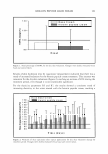
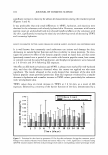
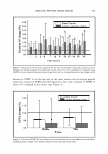
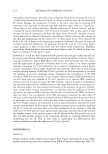
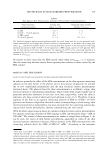
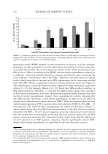
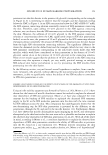
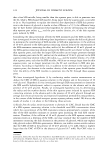
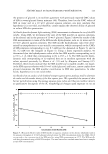
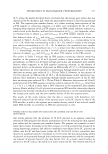
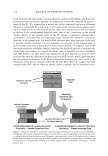
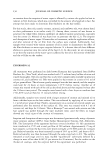
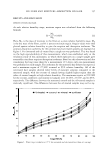
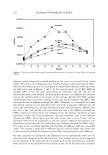
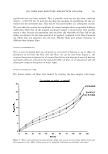
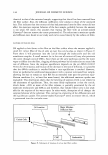
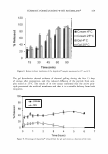
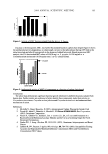
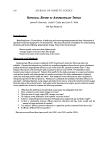
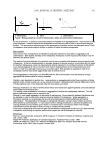
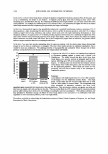
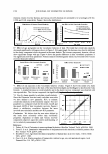
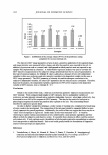
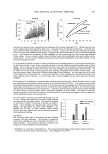
104 JOURNAL OF COSMETIC SCIENCE significant increase in elasticity for almost all measurements during the treatment period (Figures 3 and 4). It was predictable that only small differences in TEWL, hydration, and elasticity were obtained in the volunteers with already hydrated skin. However, treatment with keratin peptide cream on undisturbed hand skin showed beneficial effects on the volunteers with dry skin, significantly increasing the elasticity and showing trends of decreasing TEWL and increasing hydration. EFFECT OF KERATIN PEPTIDE HAND CREAM ON SODIUM LAUR YL SULPHATE (SLS) DISTURBED SKIN It is well known that commonly used surfactants can irritate and damage the skin, decreasing its natural barrier function and thus its ability to retain moisture. To inves tigate the protective effect of the keratin peptide cream on hand skin, all skin zones (previously treated over a period of two weeks with keratin peptide cream, base cream, or control) received the same SLS application, and biophysical parameters were measured at 2 h 30 min and 24 h following SLS exposure. The effect on SLS both on hydration and TEWL is always more marked for well-hydrated skin, and thus the differences obtained when the creams are applied are also more significant. The results obtained in this study showed that treatment of the skin with 1 keratin peptide cream provided protection from SLS exposure evidenced by a smaller decrease in hydration and a smaller increase in TEWL values, particularly for volunteers with well-hydrated skin. TEWL values show an initial increase in TEWL at 2 h 30 min, as a result of SLS exposure, followed by a recovery of the barrier function of the skin, demonstrated by a 240 :g 120 .... fl.I Cl 100 � 80 1 2 C:J Base Cream - Keratin peptide cream * * 3 6 7 8 9 10 13 14 15 16 Time (days) Fi gu re 3. Variation for rhe elasticity parameter R5 for dry skin volunteers during the treatment period. Changes were doubly evaluated versus basal and control values. (*p 0.05, significance is evaluated using ANOV A variance analysis between each percentage result and its corresponding control percentage result).

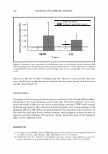
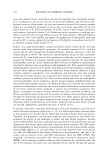
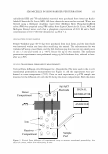
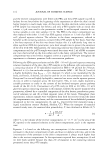
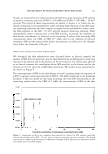
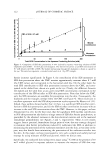
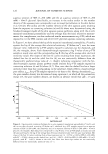
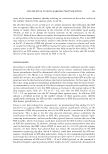
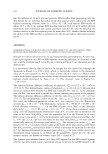
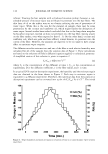
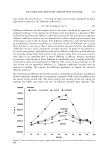
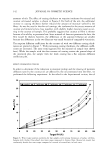
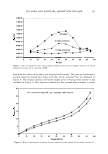
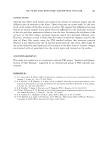
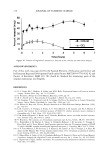
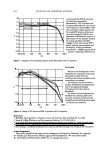
240 � 220 = � 200 � � 180 -= u 160 � 140 ·-c -� 120 .... fl} � 100 80 KERATIN PEPTIDE HAND CREAM 105 � Base Cream - Keratin peptide cream * * * * * * 2 3 6 7 8 9 10 13 14 15 16 Time (days) Figure 4. Variation for the elasticity parameter R7 for dry skin volunteers during the treatment period. Changes were doubly evaluated versus basal and control values. (*p 0.05, significance is evaluated using ANOV A variance analysis between each percentage result and its corresponding control percentage result). decrease in TEWL. It can be seen that in the zones treated with the keratin peptide cream the variation of TEWL after SLS exposure is less, with a decrease in TEWL of about 15% compared to the control zone (Figure 5). 120 C:=J Base Cream - Keratin peptide cream = 11 0 ._, � -= 100 90 r.l E-- 80 Time Figure 5. Variation of TEWL for the volunteers with well-hydrated skin at two different intervals follow ing SLS exposure. Changes were doubly evaluated versus basal and control values.
Purchased for the exclusive use of nofirst nolast (unknown)
From: SCC Media Library & Resource Center (library.scconline.org)