JOURNAL OF COSMETIC SCIENCE 4 SPF determination studies.For studies RH01927, RH01928, and RH02117, eligibility cri- teria included the following: aged ≥18 years uniformly colored skin on the lower thoracic area of the back Fitzpatrick skin type I, II, or III (13) and free of any systemic or derma- tological disorder. Exclusion criteria included the following: any visible skin disease, ex- cessive hair, blemishes or moles, tan, dermal lesions, or uneven pigmentation on the back a medical history of skin cancer a known sensitivity to cosmetics, skin care products or topical drugs related to the study material and using a medication suspected of causing photobiological reactions, or an abnormal sunlight response. For study RH02385, eligibility criteria included the following: aged 18–70 years uniformly colored skin no erythema or dark pigmentation on the test site Fitzpatrick skin type I, II, or III (13,14) and an individual typology angle (ITA) 28° on the test site (15). Exclusion criteria included moles, tattoos, scars, irritated skin, hair, or active skin disease on the test site a medical history of dysplastic nevi or melanoma a known sensitivity to cosmetics, skin care products or topical drugs related to the study material using a med- ication suspected of causing photobiological reactions within 14 days before the study starts and a history of abnormal response to sunlight. RANDOMIZATION AND MASKING Barrier function and moisturizing abilities study. Study RH02116 consisted of two phases: a leg hydration phase comprising a single application of test product on a single day and an exploratory home-use, lip-hydration phase comprising six applications of test product daily over an 11-d period. Phase 1: Dry-skin leg model. In the leg hydration phase, three test sites were marked on each calf of each participant, for a total of six test sites. Test product B was applied to the fi rst test site, the four comparator lip balm products were each applied to a different site, and the sixth site was an untreated control. The study investigators were blinded to treat- ment allocation at each test site. During the leg hydration phase, participants visited the clinic twice over a 7-d period. At visit 1, participants were screened and visually assessed for leg dryness using a nine-point dryness scale [0–4, measured in increments of 0.5, where 0 = none, 1 = slight fl aking/ uplifting of fl akes (patchy and/or powdered appearance), 2 = moderate fl aking/uplifting fl akes [uniform] and/or slight scaling, 3 = severe fl aking/scaling, uplifting of scales and/ or slight fi ssuring, 4 = severe scaling/uplifting scales with severe fi ssuring/cracking] (11,12). This was followed by a dry-down period of 5–7 days during which participants could not use moisturizing products on their legs. At visit 2, after the dry-down period, participants were reassessed for leg dryness and enrolled if they exhibited grade ≥2 on the leg dryness scale. Assessments were carried out before product application, and at 1, 3, and 6 hours after product application. Phase 2: Home-use lip-hydration phase. In the home-use, lip-hydration phase of the study, a subset of participants who completed the leg hydration phase were screened for lip dryness using a nine-point scale (0–8, where 0 = no dryness or chapping evident, 1–2 = slight, but defi nite roughness fi ne scaling, 3–4 = moderate roughness coarse scaling slight cracking, 5–6 = marked roughness coarse scaling obvious cracking, 7–8 = very marked roughness coarse scaling cracked progressing to fi ssuring) (16). Qualifying

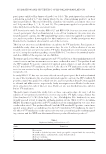
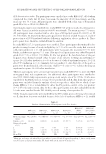
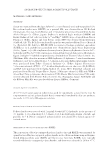
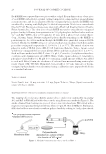
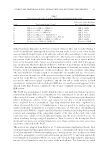
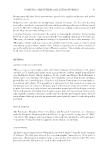
HYDRATION AND SPF TESTING OF LIP BALM FORMULATIONS 5 participants exhibited lip dryness of grade 3 or 4 (16). The participants then underwent a dry-down period of 3–7 days during which the use of moisturizing products on their lips was prohibited. This was followed by a baseline visit and fi ve assessment visits over an 11-d period (days 3, 5, 8, 10, and 12). The participants applied test product B six times daily between the fi ve assessment visits. SPF determination studies. In studies RH01927 and RH01928, four test sites were selected on each participant’s back and randomized to one of four treatments: two sites were un- treated negative controls, the SPF standard P2 positive control was applied to a third test site, and test product A was applied to the fourth test site. Study investigators were blinded to the treatment allocation for each of the test sites. The four test sites were each divided into six subsites for UV irradiation. Participants at- tended the study clinic on three consecutive days. At visit 1, all six subsites of one un- treated control test site were exposed to UV light. Irradiated sites were visually assessed at visit 2 using the erythema grading criteria (Table I) (17) to detect the minimal erythe- mal dose (MED) of the unprotected site (MEDu). Treatment application (where appropriate) and UV irradiation at the remaining untreated control test site and two treatment test sites were conducted at visit 2. Test product A and the SPF standard P2 positive control were applied using a fi nger cot and allowed to dry for ≥15 min before UV irradiation. At visit 3, the effect of UV irradiation on the various test sites was assessed using the erythema grading criteria and the MED determined for test product A. In study RH02117, fi ve test sites were selected on each participant’s back and randomized to one of fi ve treatments: two sites were untreated negative controls, the SPF standard P2 positive control was applied to a third test site, and test products B and C were applied to a fourth and fi fth test site, respectively. Study investigators were blinded to the treat- ment allocation for each of the test sites. Each test site was divided into fi ve subsites before UV irradiation. The participants attended the study clinic on three consecutive days. At visit 1, all fi ve subsites of one untreated control test site were exposed to UV light, using a Xenon Arc Solar Simulator2 (150 W) (Solar Light Co., Inc., Philadelphia, PA). Irradiated sites were visually assessed at visit 2 using the erythema grading criteria (Table I) (17) to determine MEDu. Treatment application and UV irradiation at the remaining four test sites were conducted at visit 2. Test products B and C and the SPF standard P2 positive control were applied using a fi nger cot and allowed to dry for 30 min before UV irradiation. At visit 3, the effect of UV irradiation on the various test sites was assessed using the erythema grad- ing criteria, and the MED was determined for test product B and test product C. Table I Erythema Grading and Defi nitions (17) Grade Defi nition 0 No reaction 1 Minimal or doubtful erythema, barely perceptible compared with the surrounding 2 Mild, but defi nite erythema with clearly defi ned borders 3 Moderate erythema 4 Marked/severe erythema
Purchased for the exclusive use of nofirst nolast (unknown)
From: SCC Media Library & Resource Center (library.scconline.org)