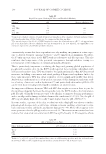
JOURNAL OF COSMETIC SCIENCE 92 In the study, the corners of three 3.5 × 3.5-cm2 sites on each inner (volar) forearm were marked (using a black permanent marker) for a total of six treatment sites. To simulate real-world conditions, all the treatments (except the water negative control) contained minerals (4:1 ratio of CaCl2:MgCl2) to create water hardness. The typical units for hard- ness are grains per gallon (gpg): 1 gpg = 1 part in 58,000 parts of water = 17.1 mg/kg (also reported as parts per million or ppm) of minerals. The six treatments were distilled deionized water (negative control) containing 0 gpg water hardness, 0.5% SLS containing 16 gpg water hardness (positive control), 1% SLS containing 16 gpg water hardness (positive control), 4,200 mg/kg solution of AW containing 16 gpg water hardness (posi- tive control), 4,200 mg/kg solution of TFG containing 7 gpg water hardness, and 4,200 mg/kg solution of AFC containing 7 gpg water hardness. SLS is a demonstrated irritant for volar forearm skin (20), and AW has been used as a positive control in other studies with Procter and Gamble (P&G manufacturer data on fi le). Water containing 16 gpg is considered hard water, which is harsher to the skin (21), thus making the SLS and AW solutions high harshness controls. Seven grains per gallon is the average water hardness for tap water in the United States, and the investigators wanted to mimic hand-wash conditions in the United States. Solutions of 4,200 mg/kg TFG and AFC (equivalent to one manufacturer-recommended dose of liquid detergent in 5 gallons of water) were cho- sen as reasonable doses of detergent for handwashing of laundry. TPFG and AFCMP were not included in this study as laundry detergent pacs are less likely to be used than liquid detergents in hand-laundering, prewashing, or pretreating of garments. The treatment solutions were prepared at room temperature (approximately 22°C) on the morning of the study. Before application to the skin, the solutions were warmed to 35° ± 2°C in a water bath and mixed on a magnetic stirrer to ensure homogeneity. Each subject had a total of four exposures to each of the test treatments for 15 min on the marked sites on the inner forearm, with a 1-h interval between the start of exposures. For exposure, subjects placed their forearms fl at on a clean draped surface with the inner forearm facing upward. Glass exposure cups (1.9-cm-tall × 2.1-cm-inside-diameter polished glass cylin- ders) were held against the forearms with Velcro® bands (Velcro China Fastening Systems Comp. Ltd., Zhangjiagang, Jiangsu Province, China). Three milliliters of treatment solu- tion was introduced into the exposure cup for 15 min of exposure, after which the treat- ment solution was removed by pipette, the skin was rinsed with running water (22° ± 2°C) for 15 s (with gentle rubbing with gloved fi ngers to remove residual test material for the last 5 s of the rinse), and the skin was patted dry with a commercial paper towel. Rinse water for each test site had the same water hardness (gpg) as that used for the test solutions. For the subsequent exposure, exposure cups were repositioned on the same forearm sites in the skin indentations that remained from the previous exposure. Noninvasive instrumental measurements (corneometry, TEWL, and pH) and visual grad- ing (redness and dryness) were carried out at baseline and at 40 min after each exposure to test treatments, and before the subsequent treatment. Erythema (0–4) and skin dryness (0–5) scores were measured separately by two trained graders, and those scores were aver- aged. The order of measurements was as follows: visual grading, corneometer, TEWL, followed by skin surface pH testing. For statistical analysis of the data, the skin grade values for erythema and dryness from both graders were averaged for further analysis. For variables that have a continuous distribution, the posttreatment evaluations (each exposure after baseline) were analyzed using mixed-

MILDNESS OF LAUNDRY DETERGENTS DIFFERING IN pH 93 effects regression models, which include a random subject effect and fi xed effects for co- variates: treatment, exposure, side, site, baseline value, and appropriate design parameters. A normal plot of the residuals was examined to assess the assumptions of the models. Moreover, analyses were performed separately for each posttreatment exposure (exposure after baseline measure) using analysis of covariance with covariates: treatment, baseline value, and appropriate design parameters. The baseline visit was analyzed similarly but without the baseline value as a covariate. Differences are considered signifi cant at 0.05 (two-sided) for all comparisons. 21-D CUMULATIVE IRRITATION TEST (21DCIT) This occlusive patch test study was performed in Cincinnati, Ohio, in November–December of 2017 in an independent clinical testing facility (North Cliff Consultants, Inc., Cincinnati, OH) and models the mildness effect of prolonged exposure to detergent residues on washed fabrics. For the study, 35 subjects (male and female, ages 18–65 years) in general good health with self-assessed sensitive skin were recruited, and 28 of them completed the study. Three subjects dropped from the study because of skin irritation from the tape used in patching. The irritation was followed up to resolution. Partial data were collected on four other subjects before they dropped from the study because of illness (not related to the study) or for personal reasons. The partial data from these four subjects were used in the analysis therefore, data were collected from a total of 32 subjects. Seven materials were tested under completely occlusive patches in the study: distilled water, 0.05% w/v SLS, and fabric washed in tap water, TFG, TPFG, AFC, or AFCMP. Fabrics (Hanes 100% cotton T-shirts Winston-Salem, NC) were washed three times in Whirlpool Duet high-effi ciency (HE) washing machines (Benton Harbor, MI) on the normal cycle at 77°F wash/60°F rinse with tap water alone or with 4,200 mg/kg of TFG, TPFG, AFC, or AFCMP (4,200 mg/kg is also the concentration of laundry detergent in a commercial HE washing machine based on manufacturer-recommended use levels) us- ing 7 gpg water. After each wash, fabrics were dried in commercial clothes dryers. After the third and fi nal wash/dry cycle, fabrics were cut into 2 × 2-cm2 for use in the study. At baseline, the skin was graded for erythema (0–4 scale) by a trained grader. Before ap- plication of the fi rst patch, the skin of the outer upper arm was gently wiped with isopropyl alcohol on a cotton ball to remove skin surface oils for better adherence of patches. The corners of the skin test sites were marked with a permanent black marker: four sites on the left upper arm and three on the right upper arm. For patching, machine-washed test fabric was placed on a 2 × 2-cm2 nonwoven cotton Webril patch, the test fabric was wet- ted with 0.1 mL of distilled water, and then the patch was affi xed to the skin with an occlusive hypoallergenic tape. For patching with the control materials, 0.3 mL of dis- tilled water or 0.3 mL of 0.05% w/v SLS was applied per patch. Patches were applied to the upper arms, and subjects were instructed to keep the patches dry. Test subjects returned to the clinical site 23 h after patch application, where the patch was removed, and the skin site was wiped with water, the site graded (0–4 scale), and the site repatched. This schedule was repeated for 21 consecutive days. Patch applica- tion would have been discontinued on any skin site that had an erythema score of 2 or higher.
Purchased for the exclusive use of nofirst nolast (unknown)
From: SCC Media Library & Resource Center (library.scconline.org)