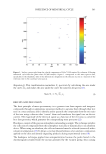
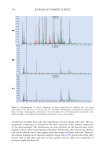
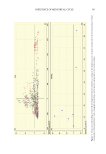
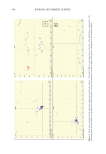
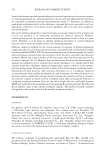
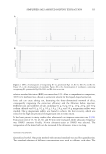
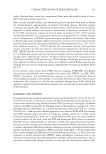
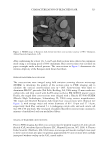
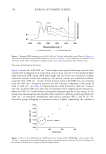
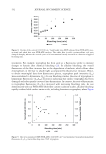
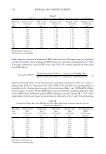
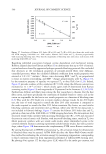
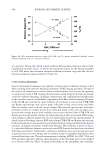
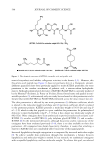
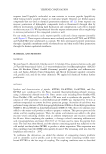
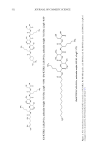
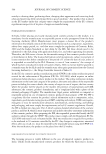
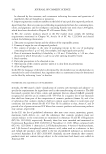
504 JOURNAL OF COSMETIC SCIENCE interferences (example: body odor and experimental variation during collection). The true quantitative composition is obtained by the direct injection of the aromatic preparation in the chromatograph. The interferences are most prevalent for the bottom notes of the fragrance, which can be easily hydrolyzed by sweat. Additionally, their release from the skin may not be efficient due to their higher molecular weight and lower volatility. Therefore, the analysis depends on the fragrance-substrate interaction (17,18). Studies show that other factors, such as pH, skin type (dry or oily), gender, and race affect the evaporation of perfumes applied on skin (26). Figure 2. Chromatogram of volatile components of skin’s composition for volunteer nb.1. (A) initial experimental time, (B) after 3 h, and (C) after 6 h. The black chromatogram corresponds to the follicular phase the blue chromatogram corresponds to the luteal phase the red chromatogram corresponds to the menstrual phase and the green chromatogram corresponds to the ovulatory phase.

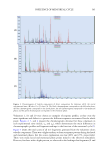
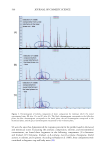
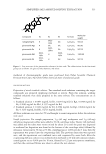
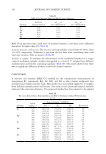
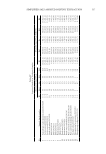
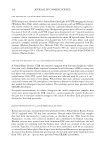
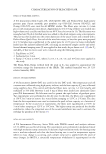
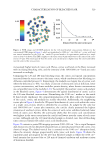
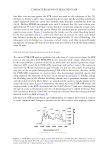
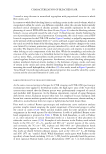
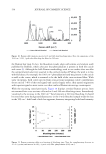
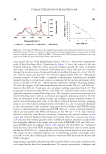
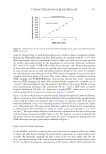
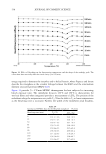
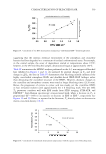
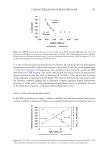
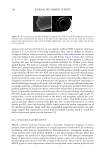
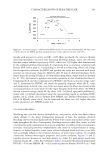
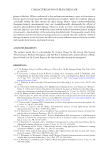
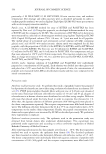
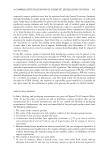
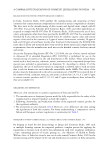
505 INFLUENCE OF MENSTRUAL CYCLE Volunteers 1, 19, and 20 were chosen as examples of response profiles, as they were the most significant and didactic to present the different responses encountered for the whole panel. Figures 2, 3, and 4 present the chromatograms obtained for these volunteers in each experimental time (initial, t 3h and t 6h ), which demonstrate the main differences in chromatographic profiles and fragment readings in the function of the menstrual cycle (5). Figure 5 shows the total scores of all m/z fragments generated from the volunteers’ skin’s volatile components. There was a slight tendency to form a response pattern during the luteal and menstrual phases, but the scores explanation was low (69% and 27%, respectively). There were many luteal and menstrual phase points mixed to the observed remainders. However, for those with a slight pattern, we observed in the loadings that fragments 91 and Figure 3. Chromatogram of volatile components of skin’s composition for volunteer nb.19. (A) initial experimental time, (B) after 3 h, (C) after 6 h. The black chromatogram corresponds to the follicular phase the blue chromatogram corresponds to the luteal phase the red chromatogram corresponds to the menstrual phase and the green chromatogram corresponds to the ovulatory phase.
Purchased for the exclusive use of nofirst nolast (unknown)
From: SCC Media Library & Resource Center (library.scconline.org)