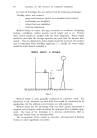
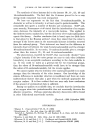
THE PRINCIPLES OF WORK STUDY 9 4Ol- i ,•-o o z. ooo Figure 6A SIDE ELEVATION I --400 401 --1500 1501-2000 2001-3000 7000-7899 PLAN Figure 6B them when they were opened. The top of the unit was not quite big ertough. The improved stand depicted in Fig. 6B, allowed for considerable increase in the size of the books, the compartmertts were independent and so the books were easily stored and removed and the top flap made an excellent resting place for a book when open.

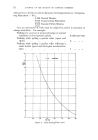
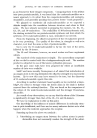
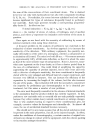
10 JOURNAL OF THE SOCIETY OF COSMETIC CHEMISTS In terms of Therbligs, the new method had the following advantages: Therblig select was reduced. ,, grasp and transport loaded were simplified and reduced. ,, positioning was simplified. ,, release load was simplified. ,, hold was eliminated. Method Study, of course, also pays attention to conditions of lighting, heating, ventilation, worker posture, bench height and so on. Posture when seated should be upright with the back supported. Bench height should be such that the average operator can work with the forearm hori- zontal. Thus in a laboratory, bench height should be such that the worker's arm is horizontal when handling apparatus, i.e., ideally the bench height should be lower than it normally is. BENCH HEIGHT & VESSELS \\\\\x' \\\\\ \\\' Figure 7 Method Study is most gainfully employed on repetitive work. The laboratory is not, therefore, the first field that would be considered for its application, but the attitude and principles are still applicable. Method Study has the advantage that very little capital investment is required, and it largely results in getting the optimum from available equip- ment. The basis of the technique is to increase productivity, that is, output per worker hour, by reducing effort. The co-operation of the worker is, therefore, all important if Method Study is to show significant economies.
Purchased for the exclusive use of nofirst nolast (unknown)
From: SCC Media Library & Resource Center (library.scconline.org)