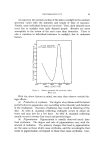
PHOTOSENSITIVITY 85 1. tterpes simplex: There is no question that the virus of herpes simplex can be "activated," or skin resistance diminished, by sunlight exposure, following which a typical crop of vesicles appear. 2. Degeneration of collagen and elastic tissues of the skin: In skin repeatedly exposed to sunlight, degeneration of collagen and elastic tissue fibers may occur. Such changes are seen in persons of any age who are exposed to the elements (so-called "sailor's and farmer's skin"). The skin changes manifest themselves clinically in thinning and atrophy of subcutaneous fat, so that the skin becomes dry, inelastic, wrinkled, and furrowed and assumes a dull brownish-yellow hue. 3. Chronic sunburn with or without keratoses: Repeated sunlight exposure may cause a permanent dilatation of the minute blood vessels of the corium and a chronic reddening. In chronically sunburned pa- tients, senile (actinic) keratoses may develop. These are precancerous lesions, the precursors of prickle cell cancers, and occur most frequently on the face and dorsa of the hands. There have been several reported cases of generalized tumor-like keratoses in the exposed areas due to sun- light (4). These tumors remain benign, although histologically they re- semble grade I squamous cell epithelioma, and may even disappear spontaneously if sun exposure is avoided. •. Epithelioma: Prolonged exposure to sunlight may stimulate the production of malignant tumors of the skin. The great majority of skin cancers occur on the exposed surface of the face and hands. There is strong evidence that the exciting wavelengths for the production of skin cancers are in the region of the sunburn spectrum.. 5. Lupus erythematosus.' Sunlight in some individuals may some- times precipitate local or systemic disease. The history of sun-exposure preceding the development of discoid lupus erythematosus or systemic lupus erythematosus is well known. Dissemination of lupus erythema- tosus has been observed following exposure of only a small patch of skin to the hot quartz ultraviolet light. A patient was observed who sud- denly developed photosensitivity of the skin of a type resembling sys- temic lupus erythematosus morphologically and pathologically this patient had bronchogenic carcinoma. Another patient had a cutaneous reaction to sunlight limited to the exposed portions of his body and resembling acute contact dermatitis--he had adenocarcinoma of the stomach. This relationship between visceral carcinoma and sudden onset of photosensitivity reactions of the skin is not too common.

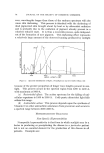
8O JOURNAL OF THE SOCIETY OF COSMETIC CHEMISTS In all the above examples sunlight is a factor in producing a disease process in certain subjects. Yet sunlight is not a factor in producing these same diseases in all patients. True Photosensitivity Reactions Here sunlight is the essential element in the pathogenesis of the disease process. Without sunlight the disease could not occur. 1. Phototoxicity is a quantitative hypersensitivity--an intensifica- tion of the normal sunburn response. The erythemic response of the skin is heightened so that the skin reacts to smaller than normal doses of ultraviolet light. This reaction requires (a) the presence of the photosensitizing chemi- cal in the epidermis and (b) a source of ultraviolet light which contains rays which are absorbed by the particular photosensitizing chemical. This process is manifested by erythema, edema, and--if the reaction is intense enough--vesiculation, limited to the sunlight exposed areas it results from exposures that normally would cause little or no reaction. The photosensitizing chemical may be administered topically, orally, or parenterally. Among the orally or parenterally administered agents are certain tranquilizers (e.g., chlorpromazine), thiazide, and related sulfonamide diuretics, the oral hypoglycemic agents (chlorpropamide, tolbutamide), sulfonamide antibacterial agents, antibiotics (demethylchlortetracycline hydrochloride), antifungal agents (griseofulvin), antihistamines (pro- methazine hydrochloride), and miscellaneous agents (quinidine, gold, barbiturates, furocoumarins). Shelley (5) points out that chlorpromazine and its host of later congeners are simple derivatives of phenothiazine, and hence all produce predictable photosensitivity reactions. This list includes Thorazine, Vesprin, Compazine, Sparine, Temaril, Trilafon, Dartal, and Pacatal, as well as the related antihistaminics, Phenergan, Theruhistin, and Pyr- rolazote. It is interesting that many cross-sensitivities have been demonstrated between compounds in this grouping. Particular note has been made that Phenergan sensitizes topically but usually not when given systemically. These dye (methylene blue) derivatives, then, all show the common potential of photosensitization. The thread of con- tinuity goes back to the original dye photosensitivity reactions to eosin observed in 1900 (2).
Purchased for the exclusive use of nofirst nolast (unknown)
From: SCC Media Library & Resource Center (library.scconline.org)