200 JOURNAL OF THE SOCIETY OF COSMETIC CHEMISTS

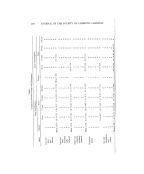
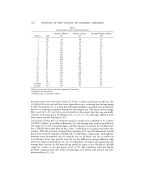
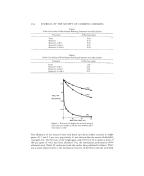
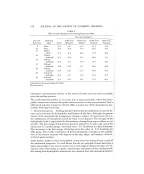
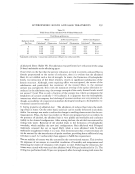
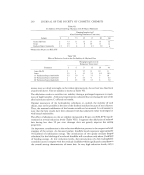
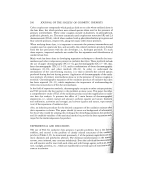
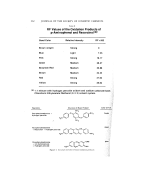
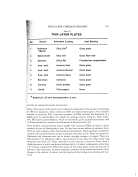
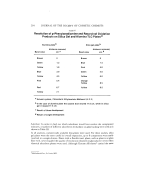
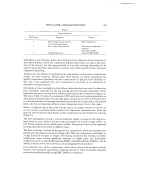
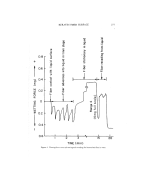
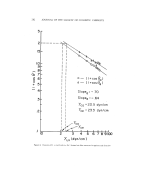
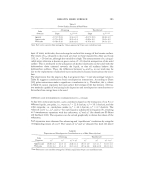
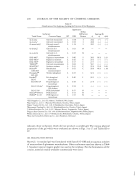
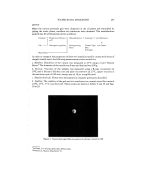
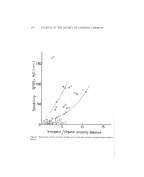
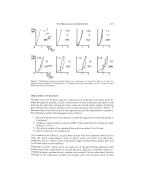
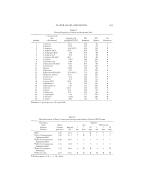
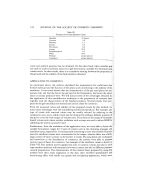
STINGING CAPACITY OF APPLIED SUBSTANCES 201 merely a reflection of the fact that more females had light complexions. Weigand and Mershon (6) evaluated tear gas (0-chlorobenzylidene malononitrile) for irritancy and stinging in various body regions of black and white subjects. They too found that on the cheek and retroauricular areas, stinging was weaker in blacks and appeared later. II, COMPARISON BETWEEN "STINGERS" AND "NONSTINGERS" ADP (5 per cent), dimethylphthalate (50 per cent in ethanol), propylene glycol (neat), and phosphoric acid (5 per cent) were applied during sweating to 5 lactic acid-positive and 5 lactic acid-negative persons, "stingers" and "nonstingers," respectively. The results are given in Table I. Every stinger experienced moderate to severe stinging with all 4 test agents while stinging was virtually absent in the lactic acid-negative group, except for reduced reac- tions to phosphoric acid at 2 to 5 min. Five per cent ADP mainly produced delayed stinging, while 50 per cent dimethylphthalate caused strong transient stinging as well. IIl. INFLUENCE OF SWEATING A 5 member panel was tested with 5 per cent ADP in ethanol at room temperature. Tests on separate occasions were conducted ar 5, 15, and 30 min after entering the en- vironmental chamber. Stinging did not occur at room temperature. However, stinging was already weakly evident when the application was made 5 min after entering the chamber, before sweating was at full flow. After 15 rain, all 5 subjects experienced intense stinging at the 5-min reading. Rinsing the face with water without leaving the chamber was not followed by an immediate decrease in intensity stinging persisted at the same level for about 10 min, fading to insignificance about 20 rain after removal. IV. ANHIDROSIS The critical role of sweating was further demonstrated by testing skin that has been rendered anhidrotic. Sweating was completely suppressed on 1 cheek of 3 stingers by applying an occlusive patch of 5 per cent aqueous aluminum chloride hexahydrate for 24 h. Three h after removal of the patch, a 5 per cent ethanolic solu- tion of ADP was applied to both cheeks after the subjects had been sweating for 15 min. Stinging was markedly reduced on the anhidrotic side the score was never greater than 1 compared to 3 on the sweating side. V. MULTIPLE APPLICATIONS VERSUS 1 APPLICATION We compared the intensity of stinging with 1 versus 5 applications of 5 per cent lactic acid and 5 per cent ADP in separate groups of 3 stingers each. The test material was ap- plied to 1 side every 5 min for a total of 5 applications starting after the subject had been sweating for 10 min. The opposite side received 1 application at the time of the fifth application to the opposite cheek.
Purchased for the exclusive use of nofirst nolast (unknown)
From: SCC Media Library & Resource Center (library.scconline.org)