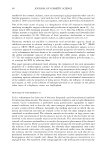
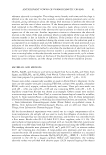
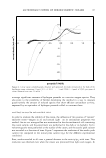
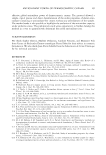
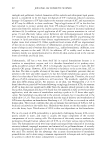
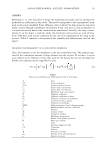
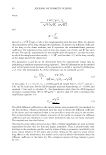
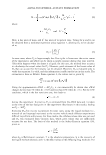
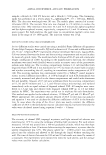
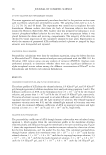
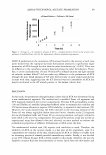
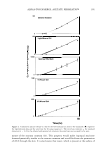
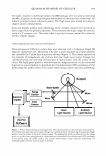
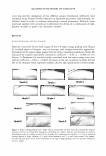
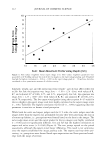
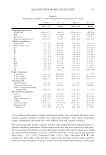
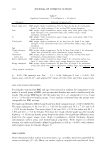
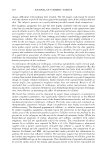
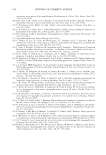
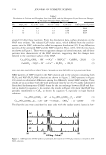
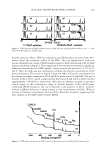
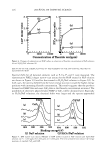
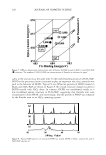
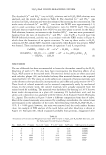
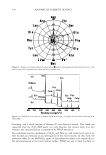
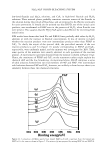
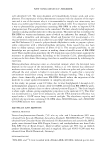
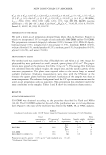
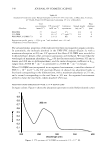
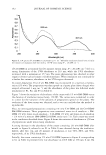
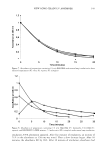
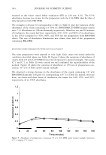
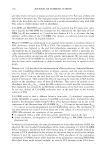
H 2 0 2 /NaF TOOTH-BLEACHING SYSTEM 30 40 (1) NaF solution 50 30 40 50 29(deg. Cukcr) (2) H202 /NaF solution 125 Figure 2. XRD patterns of HAP powder treated in NaF solution and H 2 O2/NaF solution: (a) F = 1,000 ppm (b) 5,000 ppm (c) 10,000 ppm. fluoride solutions. Hence, XPS was utilized because XRD analysis provides little infor mation about the outermost surface of the HAP. The two representative wide-scan spectra obtained from a series of HAP samples treated in NaF solution and in H 2 0 2 /NaF solution are shown in Figure 3. The comparison of the two spectra revealed no significant differences between the two HAP samples, simply showing the presence of C, 0, Ca, P, and F. Then, the peak area was calculated to estimate the relative concentrations of the detected elements. The results in Figure 4 show the effect of fluoride concentration on the changes in surface composition (Ca/P and F/Ca molar ratios) of the HAP. The use of fluoride without H 2 02 caused a small increase both in Ca/P and in F/Ca, which reached approximately 1.60 and 0.2, respectively. After that, no changes occurred to any mea surable degree in the concentration range of fluoride between 1,000-10,000 ppm, confirming FHAP formation. The use of fluoride in the presence of H 2 0 2 , however, induced a different behavior, in sharp contrast to that in the absence of H 2 02. With an increase in fluoride concentration, Ca/P and F/Ca drastically increased, suggesting that CaF 2 formed on the HAP surface besides FHAP. 1000 a(LMM) O(KLL) Ols 800 600 400 Binding energy(e V) (a) 200 0 Figure 3. XPS wide-scan spectra of HAP treated in NaF solution (a) and H2O2/NaF solution (b).

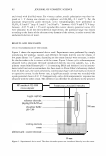
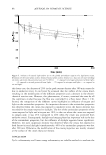
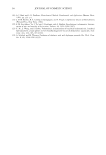
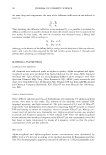
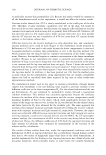
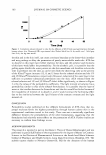
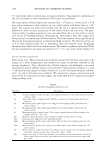
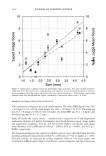
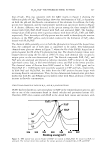
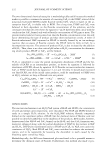
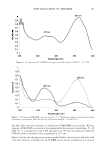
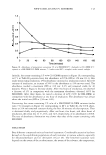
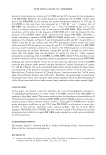
126 JOURNAL OF COSMETIC SCIENCE 1.5 0 ..... � 1.0 0 CCI C)0.5 (b) (a) o ........ __,__._________ ....&,_,_.__......_. 0 5000 10000 0 5000 10000 Concentration of fluoride ion(ppm) Figure 4. Changes of composition on HAP surface as a function of fluoride concentration in NaF solutions (a) and H 2 O2/NaF solutions (6). XPS STUDY ON THE CHEMICAL STATES OF THE ELEMENTS ON THE HAP SURFACE TREATED IN HzO)NAF SOLUTION Spectral shifts for all detected elements such as F, Ca, P, and C were measured. The representative F(KLL) Auger narrow-scan spectra for the HAP treated in NaF solution are shown in Figure 5(1) and for that treated in H2O2/NaF solution in Figure 5(2). In both cases, the spectra shifted from the lower-energy position toward the higher-energy positions with increasing fluoride concentration. This result suggests that the products became less FHAP-like and more CaFrlike as the fluoride concentration increased. The possibility of other new phases besides FHAP or CaF2 will be discussed later. Especially in H2O2/NaF solutions, the chemical shifts were larger and the spectra approached (a) (c) 604 600 596 592 604 600 596 592 Binding energy(e V) (1) NaF solution (2) H202 /NaF solution Figure 5. XPS narrow scan spectra (F(KLL)) of HAP powder treated in NaF solution and H2O2/NaF solution: (a) F = 1,000 ppm (b) 5,000 ppm (c) 10,000 ppm. The vertical dotted lines indicate the energy positions of standard CaF2 and FAP.
Purchased for the exclusive use of nofirst nolast (unknown)
From: SCC Media Library & Resource Center (library.scconline.org)