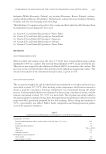
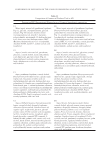
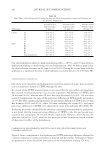
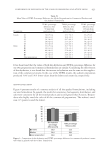
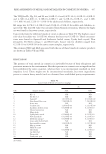
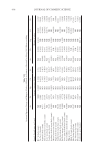
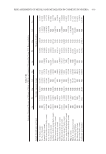
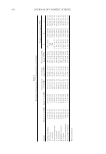
JOURNAL OF COSMETIC SCIENCE 418 point of view, sodium hyaluronate, which is a sodium salt of hyaluronic acid naturally present in the skin, is an important component. Besides the moisturizing properties, it is responsible for skin elasticity (26). Disodium EDTA, PEG-8 (Polyethylene Glycol), and phenoxyethanol are seen as potential allergens (25,27) (Table II). Analyzing the composition of (C4) cream, it should be mentioned that this preparation contains the highest quantity of different emollients when compared with the remaining formulations (Table II). According to the producer, this cream is called as “barrier cream,” thus suggesting a primary occlusion effect. However, the use of excessive amounts of fi lm-forming ingredients can be comedogenic and lead to effl orescence of the skin. Water, ethylhexyl stearate and dicaprylyl carbonate (vegetable origin), shea butter, and cetearyl alcohol (derived from palm and coconut oil) are the predominant components in (C4) formulation. These ingredients are natural substances that do not constitute a threat to the atopic skin. Rare and distinctive ingredients in this cosmetic are the Perilla ocymoi- des seed oil and Adansonia digitata seed oil. The former has antimicrobial activity and anti-infl ammatory properties (28). The latter shows high penetrability and nourishing properties (29). Parfum was identifi ed as a controversial component which can be an allergen (30). Persea gratissima oil (avocado oil), lecithin, panthenol, palm kernel glycerides, Prunus amyg- dalus dulcis oil (sweet almond oil), betaine, and ceramide are the components of balm (B4) (Table II). These substances have benefi cial properties for the skin. The rebuilding of the lipid barrier of the skin occurs because of palm kernel glycerides, avocado oil, and ceramides. Lecithin is responsible for proper stabilization and emulsifi cation of the emul- sion. Panthenol soothes skin irritations. Betaine strongly moisturizes and also binds wa- ter in the skin. This formulation also contains components with hydroxyl group. Some of them are not always seen as benefi cial skin-interacting compounds. For example, lauryl alcohol may be comedogenic and behenyl alcohol can cause allergy (31,32). The presence of parfum in preparations for atopic skin, according to the authors (30), may also adversely affect the skin, that is, cause allergy. Cream (C5) is characterized by the lowest amount of ingredients present in the formula- tion (Table II). These are mostly synthetic components. The predominant ingredients in the cream are water, glycerin, and mineral oil. The unique component in the formulation is evening primrose oil, which has anti-infl ammatory effects, accelerates wound healing, and restores a defective skin barrier (14). Preparation/INCI (International Nomenclature of Cosmetic Ingredients) composition C5 B5 Avene thermal spring water (avene aqua), glycerin, mineral oil (paraffi num liquidum), Oenothera biennis (evening primrose) oil, caprylic/ capric triglyceride, evening primrose oil/palm oil aminopropanediol esters, Aquaphilus dolomiae extract, arginine, glycine, cetearyl alcohol, cetearyl glucoside, carbomer, and sodium hydroxide Avene thermal spring water (avene aqua), glycerin, mineral oil (paraffi num liquidum), Oenothera biennis (evening primrose) oil, caprylic/capric triglyceride, evening primrose oll/palm oil aminopropanediol esters, Aquaphilus dolomiae extract, arginine, glycine, Peg-12, glyceryl stearate, myreth-3 myristate, Peg-100 stearate, polyacrylate-13, citric acid, polyisobutene, polysorbate 20, sodium acetate, and sorbitan isostearate Table II Continued

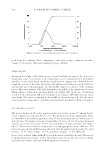
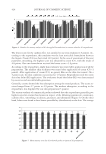
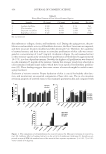
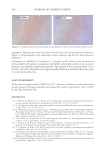
COMPARISON OF EMULSIONS IN THE CARE OF DEMANDING AND ATOPIC SKINS 419 The basic ingredients of balm (B5) water phase were glycerol and water (Table II). The oil phase consisted of, among others, evening primrose oil, palm oil, caprylic/capric triglyc- eride, and mineral oil. The lotion contained two amino acids: arginine and glycine. The former is responsible for effective epidermis moisture. The latter stimulates synthesis of collagen (33). According to the authors (34), synthetic ethoxylated polyethylene glycol and ethoxylated stearic acid in atopic skin care preparations may adversely affect the skin’s structure, caus- ing dryness and irritation. The presence of a mixture of lauric acid esters and ethoxylated sorbitan found in the preparation may be responsible for skin interactions (35). This component is used as an emulsifi er and stabilizer (36). Taking into account the aforementioned, there are synthetic compounds in most of the presented preparations. Because of the requirements and needs of atopic skin, the intro- duction of these compounds differs in function and purpose. Generally, this kind of skin requires proper hydration, nourishment, and protection against excessive water loss (37). Creating a formulation composition with a minimum amount of components, which are nonirritating, preventive, and caregiving, while also offering long shelf life, that is, high physical and antimicrobial stability, is extremely diffi cult. The study proposes a model emulsion system based on natural skin-related ingredients, without fragrances or irritants. A comparison was performed of its properties with the commercial products for atopic skin available in the market. ANALYSIS OF THE AUTHORS’ OWN FORMULATION COMPOSITION In the study, an emulsion was prepared on the basis of chemically interesterifi ed mutton tallow with sesame oil. The choice of fats was dictated by compatibility of the ingredients with human skin and by the ability to minimize unfavorable skin effects on application of the preparation. The proposed fat blend contained 75% of solid fat (mutton tallow) and 25% of liquid fat (sesame oil). Mutton tallow was selected because of its conditioning, greasing, and moisturizing properties, whereas the use of sesame oil was intended to en- rich the fat blend with the following fatty acids, important to atopic skin: oleic, linoleic, palmitic, and stearic acids, as well as phospholipids and natural antioxidant—lignan sesame (38). Other advantageous components used in our own preparation were natural emulsifi ers—soy lecithin and aloe vera leaf pulp. According to the authors (39,40), aloe vera leaf pulp contains the following: monosaccharides and polysaccharides, 13 vitamins (including B2, B6, and C), NMF such as amino acids, EFAs (essential fatty acids), and mineral compounds of organic origin. The use of this ingredient was also associated with its anti-infl ammatory, soothing, healing properties, and NMF effect on the skin rebuild- ing and improvement of lipid barrier function (39). DROPLETS’ SIZE AND THEIR DISTRIBUTION Figure 1 shows the presence of only one fraction. The range of droplet sizes for this emulsion was 0.58–11 μm and 95% of the present droplets had a diameter below 7.7 μm. The aver- age droplet size was 4.63 μm. Because of the fact that the range of droplets in emulsions is of 0.1–100 μm (41), it can be considered that the obtained result indicates the presence of small droplets in the emulsion, which demonstrates proper homogenization and hence
Purchased for the exclusive use of nofirst nolast (unknown)
From: SCC Media Library & Resource Center (library.scconline.org)