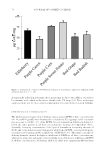
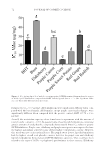
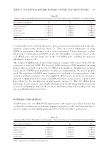
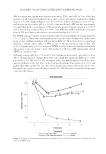
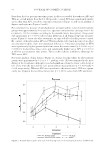
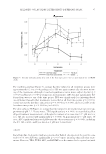
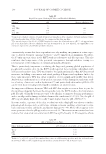
JOURNAL OF COSMETIC SCIENCE 72 formula (46.72 ± 0.67 μg/mg). All formulations were signifi cantly different when com- pared with the base formula. All formulas, except purple carrot and red grape, were signifi cantly different when compared with the positive control, BHT (25.78 ± 2.66 μg/mg). Overall, the antioxidant capacity values found were in agreement with the amount of total phenolic content (r = 0.97). In general terms, those lipstick formulations containing greater amounts of total phenolic compounds demonstrated lower IC50 values or greater DPPH inhibition. Purple corn, elderberry, and purple sweet potato were expected to have the highest antioxidant activity because of their higher total phenolic content. However, this trend was not consistent in all cases. The purple sweet potato lipstick formulation had the highest overall total phenolic content however, the purple corn and elderberry lipstick formulations showed greater DPPH inhibition capacities. This could have been related to the types of ACNs or polyphenols predominant in those extracts. Elderberry Figu re 4. IC50 (μg/mg lipstick) of radical scavenging against DPPH determined from methanolic extracts of ACN–lipstick formulations compared with BHT and the lipstick base (n = 5 ± SD). Signifi cant differ- ences are denoted by different letters above bars.

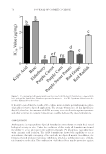
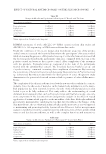
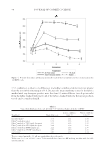
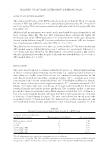
PROPERTIES OF ANTHOCYANIN-PIGMENTED LIPSTICK FORMULATIONS 73 and purple corn ACNs were composed predominantly of cyanidin derivatives, whereas purple sweet potato ACNs were composed of part acylated cyanidin and of majority acyl- ated peonidin derivatives. Peonidin bears a methoxyl and a hydroxyl group on its B-ring, whereas cyanidin bears a catechol moiety on the B-ring, which makes it more reactive. Inversely, the grape skin formula and purple carrot would be expected to have lower rela- tive antioxidant activities, based on their phenolic content. These fi ndings indicate anti- oxidant capabilities are affected by phenolic composition and concentration. Samples were tested again after 4 weeks of storage at 4°C, and inhibitory percentages and IC50 values were compared with the fresh sample values. There was no statistical signifi - cance (p value 0.05) between the values of the fresh samples and the 4-week old sam- ples. In other studies, ACNs have been demonstrated to have antioxidant properties as investigated in various in vitro assays (such as DPPH, FRAP, and ABTS) (36,37) in this study, we demonstrate retention of these capabilities through the DPPH assay when in- corporated in lipstick formulations. As these same were previously demonstrated to have high storage stability (2 years) (21), it may be suggested that lipsticks could serve as convenient vehicles for delivering ACNs and their antioxidant properties topically. Fur- ther investigation will be required to validate this. ANTITYROSINASE ACTIVITY Eluates from the base lipstick and the ACN–lipstick formulations were tested for inhibi- tion of L-DOPA oxidation against mushroom tyrosinase as a measure against melanin production. IC50 values (μg/mg), or the amount of the extracts necessary to inhibit 50% of the mushroom tyrosinase, were then predicted using linear regression and compared with the positive control, kojic acid (Figure 5). In general, all lipsticks showed the ability to inhibit tyrosinase at similar or lower concentrations than kojic acid (2.41 ± 0.06 μg/ mg). The elderberry and purple corn, in particular, exhibited IC50 values at, respectively, 11-fold and eightfold lower concentrations than that of the control. Results were ana- lyzed using one-way ANOVA, and all treatments were found to be statistically signifi - cant (p 0.05) when compared with controls. IC50 values (Figure 5) in order of highest inhibition were as follows: elderberry (0.22 ± 0.06 μg/mg), purple corn (0.31 ± 0.01 μg/mg), purple carrot (0.42 ± 0.03 μg/mg), red grape skin (0.55 ± 0.04 μg/mg), purple sweet potato (0.75 ± 0.06 μg/mg), and red radish (1.78 ± 0.08 μg/mg). These results are in agreement with the expected activity based on the structure of the ACNs present. Anthocyanins with free hydroxyl groups at the 3′ and 4′ positions of their B-ring (cyanidin and delphinidin) would be expected to have the highest inhibition of tyrosinase (38). Conversely, it is believed that the substitution with a methoxyl group at the 3′ position of the B-ring (peonidin, petunidin, and malvidin) causes steric hindrance of the hydroxyl group at the 4′ position, decreasing the inhibition potential. Acylation with cinnamic acids may increase inhibition (39). Acylation with malonic acid, such as that found on purple corn ACNs, may also inhibit tyrosinase through complexation with the copper center of the enzyme. In addition, glucosyl attach- ments at C3 and C5 of the aglycones are believed to decrease inhibition through steric hindrance. Therefore, the ACN sources with cyanidin with one sugar attachment at the 3′ position (elderberry), and their acylated counterparts (purple carrot and purple corn), would be expected to have the highest inhibition of tyrosinase.
Purchased for the exclusive use of nofirst nolast (unknown)
From: SCC Media Library & Resource Center (library.scconline.org)