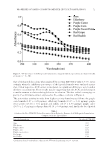
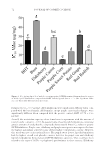
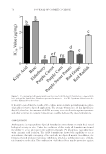
JOURNAL OF COSMETIC SCIENCE 80 specifi cally in regard to epithelium interactions. Streptococcus pyogenes secretes pore-forming toxins, such as streptolysin O, which are found to promote wound healing in vitro via stimulation of keratinocyte migration. Research suggests that sublytic concentrations of this toxin may induce CD44 expression, potentially modulating collagen, hyaluronate, and other extracellular matrix components in the skin (3). These fi ndings were investigated in mouse models, but support the possibility that Streptococcus and some of its metabolites have the potential to be used as a type of probiotic for the skin. Both the tight skin mouse model of scleroderma and other models mimicking fi brosis showed decreased levels of hydroxyproline after treatment with that toxin. Results indicated that activation in the epidermis leads to a poten- tial reepithelialization of wounds in keratinocytes. Streptokinase is also being con- sidered for clinical use in therapeutic fi brinolysis, according to the British Journal of Dermatology (3). Although these toxins secreted by this bacterium may be harmful in large doses, in a tissue-specifi c context, researchers implore that limited expression of S. pyogenes factors may help rather than harm the host. The protective role of Pseudo- monas, or Pseudomonas aeruginosa specifi cally, should also be considered despite re- search supporting its initially intermediate involvement in disease. There are some commercial medications on the market today that use by-products of these microbes, such as pseudomonic acid A (mupirocin). Mupirocin is a topical antibiotic developed from Pseudomonas fl uorescens to treat infections caused by other pathogenic microbes (3). The development of this antibiotic again not only supports the protective role of this fl ora but also allows us to transition into the possibility of using such microbes and their by-products to promote healthy skin. A peptide produced by P. aeruginosa was also found to have potent antibacterial activity against pathogenic invaders, in a similar light to the Lactobacilli organisms described previously. This along with other investigative studies alluding to the protective role of P. aeruginosa suggests that commensals such as Pseudomonas maintain homeostasis, rather than causing it. Cogen et al. summarized the importance of this well: the ubiquitous presence of these and other commensals may be necessary to not only promote protection from other invad- ing microbes via competitive inhibition and excretory techniques, but they may also serve effi cacious roles by promoting overall skin health. The protective antimicrobial capabilities of Lactobacilli have been thoroughly inves- tigated, as the primary function of these lactic acid–producing fl orae is to protect the host by limiting the growth of other pathogens. These fl orae are commonly used in food-grade digestive probiotics and protect the gastrointestinal tract. In cosmetics, short-chain peptides derived from the fermentation of this organism may be used in personal care applications. Antimicrobial peptides are relatively short, protein-like compounds that are typically 30–60 amino acids in length (4). These peptides are a type of aforementioned bacteriocin, typically produced by bacteria as a defense mechanism to outcompete other microorganisms that may reside in the same topo- graphic environment on the body. In addition to Lactobacilli, the class of lactic acid bacterium can be expanded to include microorganisms such as Enterococcus, Pediococ- cus, and Leuconostoc. These microbes serve as a type of protective armor for the skin to help combat disease. Prince et al. investigated the role of Lactobacilli in protecting the host from infection and found that Lactobacilli reuteri specifi cally protects kerati- nocytes by competitive exclusion of the invading pathogen from its binding sites on the cells (5).

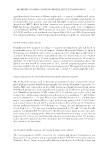
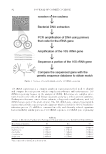
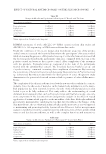
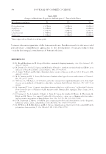
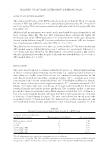
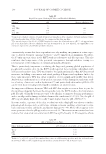
EFFECT OF NATURAL ANTIMICROBIALS ON THE SKIN MICROBIOME 81 NATURAL ANTIMICROBIAL EXTRACTS The need for alternative options to synthetic preservation has risen because of increased public pressure and stricter global regulations. This has led to the development of bac- teriocins or novel antimicrobial extracts derived from fermentation products. Bacterio- cins provide broad-spectrum antimicrobial protection through fermentation of lactic acid bacteria in defi ned growth media. Bacteriocins and other antimicrobial extracts derived from lactic acid bacterium target cell membranes of invading pathogens, as they mimic the phospholipid structure of microbial cell membranes. This protective mechanism is partly due to the hydrophobicity of the bacteriocin that allows the com- pound in the extract to enter the phospholipid bilayer, leading to displaced cations that may cause stress to the microbe such as an osmotic imbalance. These protective mecha- nisms work in various ways by interfering with multiple pathogenic cell functions that ultimately lead to cell death and decay (3–5). However, these microbes and their bac- teriocins or analogs have many other functions, aside from protection alone. Recent research has demonstrated that peptides secreted by lactic acid bacteria have multi- functional skin benefi ts, such as moisturization and trans-epidermal water loss reduc- tion (6). This offers a path in which commensal fl ora and intentionally added compounds derived from such, or probiotic by-products, can be used for their effi cacious purposes as well. Leuconostoc radish root ferment fi ltrate, Lactobacillus ferment, and Lactobacillus & Cocos nu- cifera (coconut) fruit extract are three antimicrobial extracts capable of providing a cos- metic benefi t of moisturization, have the ability to uphold product integrity, and offer an alternative to traditional preservatives. Leuconostoc radish root ferment fi ltrate and Lacto- bacillus ferment provide broad-spectrum antimicrobial protection against bacteria, yeast, and mold. Lactobacillus & Cocos nucifera (coconut) fruit extract is an antifungal active de- signed to prevent the growth of yeast and mold. The minimum inhibitory concentration (MIC) for each antimicrobial peptide is shown in Table I. METAGENOMICS ANALYSIS 16S rRNA sequencing was the method of bacterial identifi cation used in this study. An overview of bacterial identifi cation by 16S rRNA sequencing is shown in Figure 1. T able I MIC for Leuconostoc Radish Root Ferment Filtrate, Lactobacillus Ferment, and Lactobacillus & Cocos nucifera (Coconut) Fruit Extract Minimum inhibitory concentration (%) Organism (ATCC #) Leuconostoc radish root ferment fi ltrate Lactobacillus ferment Lactobacillus & Cocos nucifera (coconut) fruit extract Escherichia coli #8739 2.0 0.5 — S. aureus #6538 1.0 0.5 — P. aeruginosa #9027 2.0 0.5 — Candida albicans #10231 2.0 0.5 0.5 Aspergillus brasiliensis #16404 2.0 0.5 0.5
Purchased for the exclusive use of nofirst nolast (unknown)
From: SCC Media Library & Resource Center (library.scconline.org)