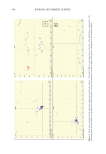
524 JOURNAL OF COSMETIC SCIENCE FTIR IMAGING OF 5-μm HAIR FIBER CROSS-SECTIONS FTIR images were obtained with a Perkin-Elmer Spotlight 400 FTIR imaging microscope (Waltham, MA, USA), which combines an optical microscope with an FTIR spectrometer. The system consists of a linear array of mercury cadmium telluride detectors coupled to a precision automated X-Y sampling stage. Background spectra were collected on sample- free areas of the CaF 2 crystal, and FTIR images were obtained at 8 cm−1 spectral resolution in transmittance mode at 16 scans/pixel. Cross-sectioned hair (5-µm thickness) was used to ensure a linear transmission detector response for the entire IR spectral range. For each of the scans, the spatial resolution of each pixel was 6.25 × 6.25 μm, where each pixel provided a complete mid-IR spectrum. FTIR maps were afterwards generated with ISys software (Malvern Panalytical Ltd., Malvern, UK). The concatenated images were then baseline corrected from the base of the amide I band to 900 cm−1 prior to truncation of the spectra and images (150 × 150 μm). The resulting spectra were processed with GRAMS AI software (Thermo Fisher). FTIR-ATR SPECTROSCOPY OF 3-μm HAIR FIBER CROSS-SECTIONS A Perkin-Elmer Frontier FTIR spectrometer equipped with deuterated-triglycine sulfate detection, and a Perkin-Elmer universal attenuated total reflectance (ATR) accessory was used for all experiments. Small volumes of cryotome-generated 3-μm thick cross-sectioned hair fibers were compressed with a controllable pressure arm against the crystal face of the single-bounce ZnSe ATR crystal. Each spectrum was collected with 64 scans at 4 cm−1 resolution with one level of zero-filling. Perkin-Elmer Spectrum software automatically corrected for water and CO 2 atmospheric contributions, wherein no further vapor correction was needed for subsequent spectral analyses. The resulting spectra were processed with GRAMS AI software. In separate measurements, to evaluate changes in the cuticle composition, complete hair tresses were pressed against the ATR crystal (i.e., cuticles against the crystal). In this case, the goal was to measure oxidative changes to the cuticle of the fiber. Each spectrum was obtained as described previously. RAMAN SPECTROSCOPY OF 3-μm HAIR FIBER CROSS-SECTIONS Raman spectroscopic measurements were performed with a Perkin-Elmer Raman Station 400 F equipped with 785 nm laser excitation. Natural white bleached hair samples that had been micronized to 3-µm sections, as described in the “Hair Cross-Section Preparation” section, were collected, blended, and consolidated for Raman scattering. Blended sections were poured into fresh aluminum DSC pans and loaded into the well plate module for sampling with the Raman laser, which was oriented in the vertical position. Typically, 10 accumulations of 60 sec were performed, with 90 sec exposures occasionally used when photo-bleaching of some background fluorescence was appropriate. As expected in Raman vibrational spectroscopy, the spectral range of the experiment was from 3500–100 cm−1. Spectra were processed with GRAMS AI software.

525 CHARACTERIZATION OF BLEACHED HAIR HPDSC OF HAIR FIBER SNIPPETS A TA Instruments (New Castle, DE, USA) Q2000 DSC and Perkin-Elmer high-volume pressure pans (3-part assembly, part numbers: top 0319-1526, bottom 0319-1525, and O-ring 0319-1535) were used for all HPDSC studies. The fibers were cut into 2–3 mm pieces with titanium precision shears. Approximately 10 ± 0.5 mg of fibers were loaded into high-volume steel crucibles and dried in our 60°C forced-air oven for 1 h. The fiber mass was reweighed and 50 μL of distilled water was added to the dried snippets using a micropipette. The pan was then loaded onto the center depression of the spacer insert and crimped with a Perkin-Elmer Quick Press. For each of the nine hair tresses, at least five pans were prepared (n ≥ 5). Samples were equilibrated in the sealed pans for ≥12 h prior to being individually loaded into the indium-calibrated DSC cell using an automated sample cassette and robot. Several thermal ramping rates (β) were applied in this study. As per Istrate et al. (13), the T D and ΔH D of hair in excess water were evaluated using the following protocol: 1. Equilibrate at 20°C. 2. Isothermal for 2 min. 3. Ramp β °C/min to 180°C, where β = 0.5, 1.0, 2.0, 5.0, and 10°C/min were applied in the study. The Flynn–Wall–Ozawa method with the peak in T D was applied to approximate the activation energy for denaturation of the IFKPs. The ambient humidity was 28–32% relative humidity (RH). DRY DSC OF HAIR SNIPPETS A TA Instruments Q2000 DSC was used for the dry DSC work. The temperature and cell constant were calibrated using high-purity indium, and the heat capacity (C p ) was calibrated using sapphire discs. The control and bleached fibers were cut into 1–2 mm lengths and stabilized at 35% RH. Between 4 and 6 mg of fibers were loaded into aluminum Tzero pans (TA Instruments). No lids were used to permit the rapid release of pyrolysis gases. Two experiments were performed in the dry state. In the first, the fibers were equilibrated at 150°C for 5 min (to remove free water) before ramping to 325°C at 2°C/min. The data from the first experiment were used to monitor the peak in heat capacity as a function of temperature. In the second set of experiments, the fibers were equilibrated at 150°C for 5 min before ramping to 325°C at 15°C/min. The higher ramp rate produced the doublet endotherms, where the integrated area of the second endotherm was used to estimate the enthalpy for pyrolysis of the matrix (7). MTGA OF HAIR SNIPPETS A TA Instruments Discovery Series TGA with TRIOS control and analysis software (v3.3.1.4668) was used for all testing. The experiments were performed in modulated mode with high resolution ramp constraints. In dynamic high-resolution mode, the heating ramp rate is machine-adjusted such that the faster heating rate is used in temperature regions where no mass change is occurring, and a slower ramp rate is applied with the onset of mass changes. In MGTA, a sinusoidal temperature modulation is superimposed on the
Purchased for the exclusive use of nofirst nolast (unknown)
From: SCC Media Library & Resource Center (library.scconline.org)