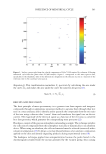
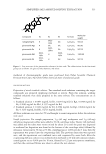
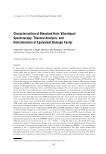
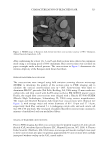
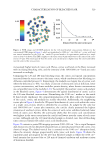
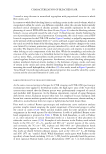
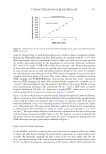
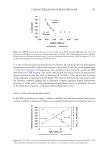
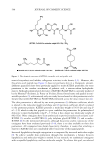
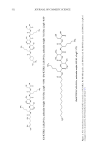
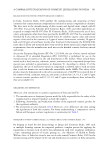
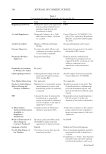
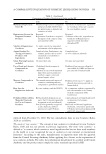
548 JOURNAL OF COSMETIC SCIENCE matrix biosynthesis and inhibits collagenase activities in the dermis (1,2) . However, this five-amino acid peptide (see Figure 1) does not permeate skin in a therapeutic amount. Different approaches have been previously applied to make KTTKS permeable the most prominent is the covalent attachment of palmitic acid, a sixteen-carbon hydrophobic moiety. Although palmitoylated derivative of KTTKS (Pal-KTTKS) is currently marketed by the Matrixyl® (Sederma, Le Perray en Yvelines, France) brand name and applied in anti- wrinkle products (3), unfortunately only one study has evaluated its skin permeation and it showed that neither KTTKS nor Pal-KTTKS permeated across the intact mouse skin (4). The skin permeation is affected by two main parameters: (1) diffusion coefficient, which is related to the molecular weight and shape and (2) partition coefficient, which is related to the permeant polarity. KTTKS possesses a molecular weight of 563.6 Da and clog P of −3.45, which is why this peptide is a poor candidate for permeation. Its palmitoylated derivative is more hydrophobic (clog P = 3.72) but it has a larger size (molecular weight of 802.0 Da). Other conjugates have been synthesized in previous studies such as lipoic acid- KTTKS (5), ascorbic acid-KTTKS (6), poly (ethylene glycol)-KTTKS (7), and ac-wahx– KTTKS (8). In the mentioned derivatives, although bioactivity and/or cytotoxicity of the conjugates have been evaluated previously (5–8), there is no data available on their skin permeation. All conjugates have shown bioactivity therefore, it seems that attaching a moiety to KTTKS does not considerably affect bioactivity of this signal peptide. Increased lipophilicity through conjugation is accompanied by increased molecular weight (9). To achieve suitable skin permeation through this mechanism, a balance between lipophilicity and molecular weight is needed. In our research, we synthesized conjugates with acceptable lipophilicity and low molecular weight. To achieve this goal, we selected Figure 1. The chemical structures of KTTKS, citronellic acid, and perillic acid.

549 TERPENE CONJUGATION terpenes (small lipophilic molecules) as new moieties to increase peptide lipophilicity while having lowest possible change in molecular weight. Terpenes are herbal organic compounds that are used as chemical penetration enhancers (10–12). Some terpenes can increase permeation of hydrophilic compounds (such as fluorouracil) through skin by different mechanisms, including lipid fluidization and complexation such effects depend on their structure (13). We hypothesized that the terpene enhancement effects might help to increase permeation of the conjugated systems as well. For our study, we selected a cyclic terpene (perillic acid) and a linear terpene (citronellic acid) (Figure 1). These terpenic enhancers were covalently attached to KTTKS, and KTTKS and Pal-KTTKS were synthesized as controls. We then investigated peptide permeation through a lipophilic membrane model of n-hexadecane and then studied their permeation through the human epidermal membrane. MATERIAL AND METHODS MATERIALS We purchased 2-chlorotrityl chloride resin (1.2 mmol/g), Fmoc-protected amino acids, and 2-(7Aza-1H-benzotriazol-1-yl)-1,1,3,3-tetramethyluronium hexafluorophosphate (HATU) from GL Biochem (China). GmbH (Germany) provided piperidine and trifluoroacetic acid, and Sigma Aldrich (United Kingdom) and Merck (Germany) supplied citronellic acid, perillic acid, and all the other chemicals. We applied all chemicals without further purification. METHODS Synthesis and characterization of peptides. KTTKS, Pal-KTTKS, Cit-KTTKS, and Per- KTTKS were synthesized by the Fmoc (standard fluorenylmethyloxycarbonyl) strategy, using 2-chlorotrityl chloride resin (14). Fmoc amino acids including Fmoc-Ser(tBu)-OH, Fmoc-Thr(tBu)−OH, and Fmoc-Lys(Boc)−OH were used to synthesize the peptides. The solution of 20% piperidine in dimethylformamide (DMF) was employed for 30 min at ambient temperature to remove the Fmoc protection groups. Activation of each Fmoc was performed using solutions of N,N-diisopropylethylamine (DIEA) in N-methyl-2-pyrrolidone (NMP) (1 M) and HATU in dimethylformamide (DMF) (0.3 M) these two solutions were added to the amino acid powder in order to prepare a solution. This process protected the amino acid for coupling purposes. Then, the amino acid solution was added to the glass reaction vessel containing swollen resin at ambient temperature and reaction continued for 60 min. After completing the synthesis, a cleavage cocktail containing trifluoroacetic acid, triisopropylsilane, and water (99:0.5:0.5 v/v %) were used to cleave the peptide from resin. The resin was then filtered, and the solution containing peptide was subjected to the cold methyl tert-butyl ether (MTBE) to produce a white suspension. This suspension was then centrifuged and the MTBE subsequently decanted. The remaining solid was dried by lyophilizer and stored at −20°C. To synthesize the derivatives, we added the solution of conjugating moiety (palmitic acid or citronellic acid or perillic acid) to the reaction vessel containing swollen resin- bound KTTKS as the last stage of coupling. The coupling conditions were as described
Purchased for the exclusive use of nofirst nolast (unknown)
From: SCC Media Library & Resource Center (library.scconline.org)