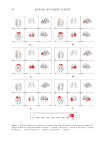
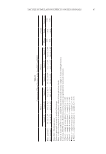
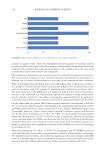
98 JOURNAL OF COSMETIC SCIENCE of hyperpigmentation and wrinkles. This difference explains the minor disparities observed in the statistical results of hyperpigmentation and wrinkles in our study. Results from the FS-1200 measurement showed significant improvement in UV acne in the peptide complex cream group at weeks 2 and 4. These results show that although the peptide complex cream cannot significantly improve facial spots and wrinkles in a short time, it can reduce the score of DPAS and comprehensively improve facial photoaging symptoms. Additionally, the subjective rating of wrinkles has a wide range, making it suitable for preliminary screening but not for evaluating subtle changes. Therefore, the results of subjective wrinkle rating were also not significant. Future research should consider selecting more appropriate tools for assessing wrinkles and pigmentation deposition. The results of this study would have been more accurate if the left and right sides of the face were used as the treatment and control, respectively, but since the subjects found this protocol hard to accept, it was not implemented in the end. According to literature reports, the core components (three polypeptides) of the peptide complex cream have the effect of improving wrinkles and color spots. Applying carnosine- containing creams to the face could alleviate skin dryness and make skin firmer and more supple.8-10 Palmitoyl pentapeptide-4, a derivative of KTTKS, can achieve the antiaging effects of wrinkle reduction and skin texture improvement by stimulating production of the extracellular matrix and type I and type III collagen.4,11 Acetyl hexapeptide-8, also known as argireline, can reduce the repetitive contraction of the muscles of facial expression by competitive inhibition, thus attaining anti-wrinkle effects by reducing hyperkinetic facial lines.4,12 A multicenter, placebo-controlled, randomized clinical study showed an overall anti-wrinkle efficiency of 48.9% and a significant decrease in wrinkle depth in the argireline group.13 To minimize the risk of allergies, irritations, and other side effects, the peptide complex cream used three types of peptides at a lower concentration of 2% each. However, previous studies have shown that using a concentration of 10% for peptides or acetyl hexapeptide yields more significant results.8,9,13 This may also be one of the reasons why we did not observe significant results in wrinkle and pigmentation improvement. In this study, among the various indicators in FS-1200, the UV acne index was particularly significant. It demonstrated that the peptide complex cream exhibited significant improvement in acne starting from the second week. There appears to be no current literature on acne improvement by peptide complex creams, but one study has explored the effect of acetyl hexapeptide-8 on certain skin diseases by applying a gel cream containing 10% acetyl hexapeptide-8 to scarred or aging skin areas to treat skin conditions.14 The study found that the gel cream may improve the appearance of certain skin disorders. Acetyl hexapeptide-8 may help improve skin scarring, hidradenitis, and other conditions. Since acne is associated with excessive oil secretion from the sebaceous glands, acetyl hexapeptide-8 may alleviate facial acne by dampening local sympathetic excitation or reducing local muscle contraction, thus diminishing oil secretion. Although acetyl hexapeptide-8 may play a role in improving UV acne, this speculation requires larger and more in-depth studies in the future. Furthermore, the higher prevalence of acne in the age group of 45-55 years (typically less prone to acne) could be attributed to factors such as excessive sebum production and enlarged pores among these participants. It is possible that they had previously used skincare products inappropriately or lacked proper sun protection. However, after discontinuing their previous skincare products and using our product along with appropriate sunscreen, improvements in acne were observed.

99 Peptide Effects on Photoaging This study investigated the reasons for the loss of follow-up, which were all due to busy work schedules. The dropout rate was higher in the treatment group compared with the control group, which may also lead to the deviation of the results in the treatment group. In addition, during this study, only 2 subjects experienced symptoms of dryness, mild erythema, and mild scaling at week 2, which were resolved spontaneously after one week, possibly due to seasonal changes in windiness and decreased humidity. Therefore, it was found that the peptide complex cream was safe to use and tolerable for subjects. CONCLUSIONS The current study demonstrated that the peptide complex cream containing carnosine, palmitoyl pentapeptide-4, and acetyl hexapeptide-8 can improve partial photoaging symptoms of the face, and it is a safe and tolerable treatment for skin photoaging. This study revealed for the first time the unique efficacy of the peptide complex cream in improving acne, which may be more extensively investigated in future studies. The effect of the peptide complex cream on wrinkles and color spots needs to be further studied by increasing the research time and sample size. AUTHOR CONTRIBUTIONS Qiao Tang and Wenting Cao contributed equally to this article and are co-first authors. This study was planned and designed by Danqi Deng, Jiehao Qian, Wenfang Wang and Wenting Cao. Jichun Yang contributed to study design. Qiao Tang contributed to data collection and data analysis. Qiao Tang and Jiehao Qian drafted this paper. All authors critically revised this paper and approved the final version to be published. The order of the co-first authors was determined based on the extent and duration of the work each contributed to the project. FUNDING STATEMENT This work was supported by the Funded by the National Natural Science Foundation of China (81960568). Experimental products Funded by Zhuhai Yasha Biotechnology Co., Ltd. ACKNOWLEDGMENTS We would like to express our sincere gratitude to Zhuhai Yasha Biotechnology Co., Ltd. for providing the experimental products. We would also like to acknowledge the Dermatology and Venereology Team of the Second Affiliated Hospital of Kunming Medical University in recruiting patients. There are no conflicts of interest or financial disclosures. ETHICAL STATEMENTS The study was approved by the Ethics Committee of the Second Affiliated Hospital of Kunming Medical University (S-PJ-2020-147) and registered on the Chinese Clinical Trial Registry (ChiCTR2100042842).
Purchased for the exclusive use of nofirst nolast (unknown)
From: SCC Media Library & Resource Center (library.scconline.org)