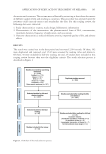
101 J. Cosmet. Sci., 74, 101–131 (March/April 2023) Address all correspondence to Zaida Maria Faria de Freitas, zaida@pharma.ufrj.br Clinical Application of Kojic Acid in the Treatment of Melasma: A Scope Review RAYANE VIEIRA BRAZIL, JENIFER BRASIL DOS SANTOS, VÂNIA EMERICH BUCCO DE CAMPOS, ELISABETE PEREIRA DOS SANTOS AND ZAIDA MARIA FARIA DE FREITAS Universidade Federal do Rio de Janeiro, Rio de Janeiro, Brazil (R.V.B., J.B.S, V.E.B.C, E.P.S., Z.M.F.F.) Accepted for publication July 01, 2023. Synopsis Melasma is a pigmentary system failure marked by macules or symmetrically distributed irregular spots in sun-exposed areas, particularly on the forehead, lips, cheeks, and chin. With its ability to inhibit the tyrosinase enzyme, which is in charge of producing melanin, kojic acid (KA) is one of the depigmenting substances frequently employed in the topical treatment of melasma. This systematic scoping review followed the recommendations of Joanna Briggs and the PRISMA Extension for Scoping Reviews (PRISMA-ScR): Checklist and Explanation to map the therapeutic application of KA in treating melasma. The following databases, searched without regard to year or language through December 2022, were used: MEDLINE (PubMed), Embase, VHL, Scopus, Cochrane, Web of Science, and the grey literature. The search found 2,104 records in the databases. Eventually, 24 studies were added since they matched the requirements for eligibility. The outcomes and occurrences of adverse effects are influenced by variables such as the pharmaceutical form, concentration, frequency, period of treatments, and therapeutic associations. In the therapy of melasma, KA, whether isolated or associated, has substantial effects. INTRODUCTION Melasma, also known as acquired and chronic symmetrical cutaneous hyper melanosis, is a malfunction of the pigmentary system. It is recognized by macules or irregular spots on sun-exposed skin that range in tone from light brown to dark brown. It is distributed symmetrically, mostly throughout the parts of the face that include the chin, cheeks, lips, and forehead. Other body parts such as the neck and chest may be affected less frequently (1). Melasma may develop due to exposure to ultraviolet radiation (UVA and UVB), sunlight, exposure to visible light, genetic predisposition, pregnancy, and exogenous hormone use. The use of various drugs such as anticonvulsants photosensitizing cosmetics nutritional inadequacy and ovarian and thyroid dysfunction are other variables that may contribute to the development of melasma. Women with darker skin and those from Asian, Latin American, Middle Eastern, and African regions with higher sun exposure are most affected
Purchased for the exclusive use of nofirst nolast (unknown)
From: SCC Media Library & Resource Center (library.scconline.org)