82 JOURNAL OF COSMETIC SCIENCE Somatosensation plays a central role in human physiology,1 psychology,5 and biomedical engineering.6,7 Related research findings have wide application in the rehabilitation field, in innovations in electronic skin and artificial limbs, and in quality assessment of comfort in apparel and cosmetics. Yasasaka et al. used three tactile objects with plastic, cloth, and sandpaper surface materials and reported that differences in the features of the surface materials were associated with differences in affectivity, cognitive processes, and perceived vividness/familiarity.8 Kida and Shinohara examined the effects of tactile stimuli on participants’ emotions using wood, velvet, and a paintbrush.9 Gentle stroking with a soft velvet cloth produced the highest pleasantness ratings and the emotion was accompanied by activity in the frontal polar and orbitofrontal cortex (OFC). Greco et al. reported that the activity of alpha and beta frequency bands in the contralateral prefrontal and median cerebral cortex accompanied pleasant sensations of tactile stimulation.10 However, only a few reports have been published on the emotional response to foam- mediated tactile stimulation. We wash our faces and hands daily and repeatedly experience the foamy sensation of facial cleansers and hand soap on our faces and hands. Improving the emotional evaluation of washing with foam is important to provide a pleasant feeling, and will thereby promote hygiene education. Given that the qualities and properties of foam in facial cleansers and hand soaps can be adjusted by modifying the types and quantities of ingredients, the optimal quality of foam that provides comfort and ease of use has been examined. In recent years, research has focused on foam viscosity.11 It has been reported that a lower viscosity results in a finer foam. However, Ohmura et al. evaluated the perceived quality of foam using only subjective questionnaires.11 Objective evaluation of the influence of foam-induced tactile stimulation on participants’ emotions is an important next step. This study aimed to examine the emotional effect of tactile stimulation by foam with different viscosities through the recording of electroencephalogram (EEG) signals and salivary cortisol levels during the facial cleansing process. We hypothesized that a lower foam viscosity would generate more pleasant emotions, which should be reflected in neurophysiological parameters. METHODS PARTICIPANTS We included 12 healthy female adults (mean age: 20.2 ± 0.7 years) with no history of orthopedic or neurological diseases. The sample size was determined based on previous studies12,13 that conducted spatial analyses of neural activity during stimuli that elicit emotional changes, like those expected in the present study. This study was conducted in accordance with the Declaration of Helsinki and was approved by the Ethics Review Committee of Kyoto Tachibana University (Approval No. 19-38). This study’s purpose, contents, and procedures were explained to the participants orally and in writing, and informed consent was obtained. SELECTIONS OF EXPERIMENTAL SAMPLES Three types of facial cleansers with different levels of viscosity were used as samples to assess the tactile effect of foam on participants’ emotions. The cleansers were unscented

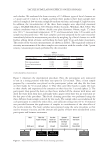
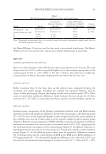
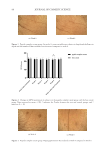
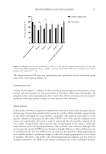
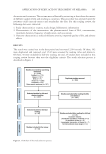
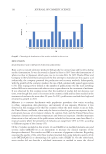
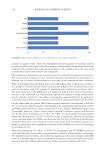
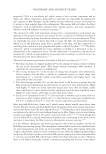
83 Tactile Stimulation Effects on EEG Signals and colorless. We evaluated the foam viscosity of 12 different types of facial cleansers on a 7-point scale (0 =low to 6 =high), and from these products three foam samples were selected: sample A: low viscosity sample B: medium viscosity and sample C: high viscosity. In addition, the viscoelasticities of the three foam samples were objectively measured using a HAAKE RheoStress 600 (Thermo Fisher Scientific, Waltham, MA, USA). The analysis conditions were as follows: double cone plate (diameter: 60mm angle: 1°) shear rate: 100 s−1 measurement temperature: 25 °C and measurement time: 120 seconds each sample was measured twice. The foam samples used were prepared by the same researcher immediately before the measurement procedure by weighing 2g of facial cleanser in a milk frother, adding 24mL of water, and frothing the foam with 50 up-and-down movements. The results of the viscosity measurements are shown in Table I. The magnitude relation of viscosity measurements of the three samples was consistent with the results of the 7-point sensory evaluations previously performed by the researcher. EXPERIMENTAL PROCEDURE Figure 1 illustrates the experimental procedure. First, the participants were instructed to rest in a sitting position with their eyes open for 120 seconds. Then, a foam sample prepared by a researcher was placed on the participants’ palms and they felt the foam on their hands for 30 seconds (phase 1). They then used their hands to apply the foam to their cheeks and experienced the sensation on their faces for 3 seconds (phase 2). The participants then spread the foam on their faces, washed off the cleanser with water, and dried the water from their faces and hands with a paper towel there was no time limit set for this part of the procedure. This facial cleansing procedure was performed using the three different foam samples selected for this study. The sample order was randomized for each participant to control the order effect, and sufficient resting time (10 to 15 minutes) was provided between the applications of samples in consideration of the after-effect of the tactile stimulus. The foam samples were prepared using the same procedure as that used to measure viscosity, and the amount and quality of foam were standardized across participants and between treatments. Table I Viscosity of Foam Samples Viscosity (Pa·s) Sample A Sample B Sample C First measurement 0.162 0.319 0.418 Second measurement 0.181 0.328 0.412 Mean 0.172 0.324 0.415 Figure 1. Experimental protocol of the facial cleansing procedure.
Purchased for the exclusive use of nofirst nolast (unknown)
From: SCC Media Library & Resource Center (library.scconline.org)