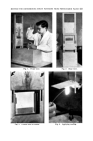
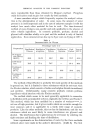
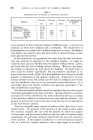
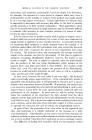
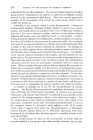
THE HOSPITAL BEAUTY SCHEME 253 A few weeks later the patient was approached again and was finally persuaded to make an appointment. At the first appointment the patient was sullen and uncooperative. Was given a simple beauty treatment and returned to the ward, still disinterested in her appearance. The second time, the patient still appeared depressed and uninterested. But when the treatment had started, she relaxed and, when nearly completed, she asked a simple question regarding one of the beauty preparations and then looked at herself in the mirror. At the third appointment, the patient appeared tidier and her conversation was more spontaneous. Interest was shown in everything that was being done and in the preparations used, several questions being asked. The patient left the Beauty Salon satisfied and mildly interested. More appointments were made. The patient began to show an interest and eager- ness to learn for herself. She was shown a simple beauty routine which was suitable for her to follow in the ward. The patient then asked for further appointments, and the next time arrived wearing cosmetics which, as she proudly explained, she had purchased at the hospital shop. F. P.: 28. Schizophrenic. Had several previous admissions to the hospital, married and divorced. On her admission to the hospital was with- drawn and completely disinterested in herself and her surroundings. Was brought to the Salon and given a manicure--very little interest was shown. After several visits, she was persuaded to wear lipstick and powder, and was asked if she would like a simple beauty treatment. The patient refused to visit the Salon for many weeks following. However, eventually the patient asked to make an appointment for herself. After several months and several visits to the Salon, the patient began to take a keen interest in her appear- ance, and was very appreciative of all the treatments that were given. Finally, the patient was discharged home. B. L.: 30. Schizophrenic, long-term patient. Was a single woman and had been very attractive, but due to her illness had let herself go. As a result she was very untidy in her appearance and showed no interest whatsoever. When the patient was asked to visit the Salon she appeared quite indifferent but was willing to be brought down. On her arrival she displayed no interest. Was given a simple depilatory treatment and encouraged to come again. The result of the treatment was a definite improvement in her appearance. Another appointment was made for two weeks later. The patient then seemed more interested. Was given a simple beauty treatment when she relaxed perfectly. She also enjoyed the extra notice taken of her, on her return to the ward. Many more visits were made to the Beauty Salon but progress was very slow. Eventually, however, the patient began to look forward to her visits and was eager to make further appointments each time. She appreciated what was done for her and began to take a keen interest in her appearance. It was found that while her visits

254 JOURNAL OF THE SOCIETY OF COSMETIC CHEMISTS •vere regular she made a big effort to make herself clean and tidy, but if there was a break in her appointments she would soon revert to her untidy and dishevelled ways. M. H. M.: 37. Schizophrenic. A long-term patient. Solitary and withdrawn and resistive to attention, very anti-social. She always walked with her head down and had a very heavy growth of hair on the face. Has been attending the Beauty Salon for depilatory treatment and takes an interest in herself. Is most pleased about her face and now walks with her head well up and attends all activities and also goes out for week-ends. F. F.: 34. Schizophrenic. Long-term patient. Very truculent and uncertain and solitary. Rather hesitant about treating her in the Beauty Salon but she enjoys it thoroughly and is completely relaxed with the treatment. Takes more interest in herself and is now ablc to enioy both indoor activities and bus rides in the country. Annie M.: 45. Chronic depressive. Having fortnightly treatments. Never used make-up before and to begin with very reluctant to come. Nice looking, rather mousey type of woman with "wen" on her head, for which she refused operative treatment all her life. After second treatment asked for advice on colour for lipsticks, etc. Then demanded a perm and was given a "home" perm by the ward nurse which was very successful. Now makes up daily and last week suggested to the doctor that the "wen" might now be removed. Mary T.: Chronic psychotic. After first treatment burst into tears and said she looked like her "bonny sister." She had never before mentioned her family. Mrs. N.: 78. Senile. She "didnae like a' that stuff on her face but thought nurse's hands real soothing and she could dae wi' a cup of tea now." Marie A.: Young schizophrenic. Felt she might go to the weekly dances now as she didn't look so bad. Could the sewing room help her to make a new dress ? Rose M.: Maniac depressive. Treated both when maniac and whe•x depressed, seemed to respond particularly well when maniac, soothed and calmed quite perceptibly. Not so responsive when depressed, although ward reports say she doesn't revert to bed quite so frequently after treatment. Louise M.: 26. Schizophrenic. Prostitute. Very badly made up with dyed orange hair and very heavy make-up. When face cleaned up, which took a considerable time, her natural skin was perfect. Nurse then gave her a rather emphasized make-up as she obviously wanted this, but Louise was disgusted and said she looked too plain. Ten minutes later she had dealt with that and was back to original heavy make-up. Refuses to return to the Beauty Room. A.: A short-stay patient, who had responded well to treatment in other
Purchased for the exclusive use of nofirst nolast (unknown)
From: SCC Media Library & Resource Center (library.scconline.org)