PREGNENOLONE ACETATE 133 pregnenolone. As for dermal toxicity, it was evaluated by Sternberg (14) in over 100 patients in 1, 3 and $ per cent ointments for the treatment of various inflammatory dermatoses with good tolerance and no side reactions, although his results proved negative for topical corticosteroid activity. Animal studies were also conducted by us for further assurance of its safety. In one study, groups of twenty guinea pigs (15), half male and half female, were inuncted with one milliliter of a one-half per cent preg- nenolone cream on one side of the clipped abdomen for ten and twenty- one days respectively, with control groups similarly treated with the cream base alone. Both test and control animals showed some thickening of the epidermis and increase in the moisture content on the treated, compared with the untreated side, but there was no evidence of any systemic effect. The absence of a significant difference due to the preg- nenolone in this study was probably due to the fact that young animals were used. Another study by this laboratory (15) was carried out to test the effect of dermally applied pregnenolone cream on rats during mating and ges- tation, in an attempt to demonstrate any possible physiological influence during the stress of pregnancy. This study was completely negative in the case of both mothers and weanlings, with no significant difference in fertility index, survival of weanlings and andgenital space at weaning. In still another laboratory study (16), twenty female albino rabbits received one gram of pregnenolone cream on one side of the abdomen daily for ninety days, while the control cream was applied to the other side. in ten, a 21/2 per cent cream was used and in the other ten, I/2 per cent. Part of the exposed area was abraded to increase the skin sensitivity. At the end of the ninety day period all the animals had remained completely normal there were no signs of erythema, edema or other signs of sensitivity in the area of inunction. Histological exam- ination revealed no differences in the skin taken from the test and control sides. CLINICAL TRIALS While these laboratory studies were under way, extensive clinical trials of 1/2 per cent pregnenolone cream were undertaken. All of these were carried out as double blind studies, using the cream base as a control. The creams were prepared in our laboratory and supplied to the investi- gators in coded form, so that neither the patient nor the observing der- matologist knew which contained the pregnenolone. The base was a commercial preparation containing oils and moisturizers, so that-some patients observed improvement with the control cream effects were attributed to pregnenolone only when they were significantly greater than

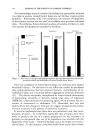
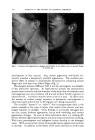
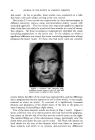
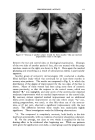
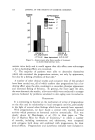
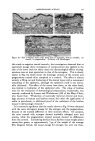
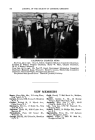
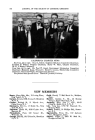
134 JOURNAL OF THE SOCIETY OF COSMETIC CHEMISTS this result. As far as possible, these studies were conducted on a half- face basis, with each subject serving as her own control. One study (17) was carried out cooperatively by three dermatologists in different university centers, using institutionalized elderly women with noticeably aged skin. The two creams were separately applied to opposite sides of the face once daily for a period of three months to a total of ninety- four subjects. All three investigators independently identified the cream containing pregnenolone as the active one. In the subjects on whom a significant difference was noted, the cream containing pregnenolone always produced the better result. In those who had never used any cosmetic Figure 7.--Subject who received preg- nenolone acetate cream to the left side and control cream to right for three months. creams before, the effect of the cream base appeared first, and the difference due to pregnenolone became apparent in two to three weeks it was usually maximal at about six weeks. It consisted of a significantly increased firmness and plumpness of the deeper layers of the skin to the point, in some instances, of resembling a slight edema. Two of the most dramatic results are shown in Figs. 7 and 8. Figure 7 shows a full face view of an elderly patient who had received the pregneno- lone cream on the left side of her face and the control cream on the right. The marked filling out of the subcutaneous tissues, particularly over the cheek- bones and under the eyes can be noted. The black silk sutures on both cheeks are the sites of skin biopsies which were taken on twenty of these subjects, and which in no instance demonstrated any differences
Purchased for the exclusive use of nofirst nolast (unknown)
From: SCC Media Library & Resource Center (library.scconline.org)