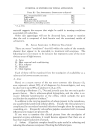
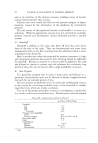
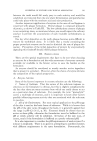
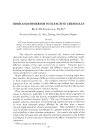
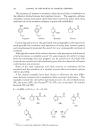
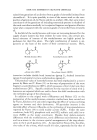
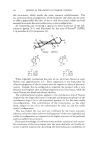
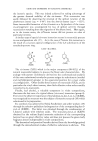
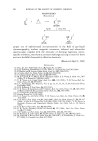
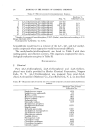
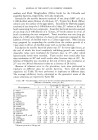
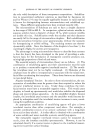
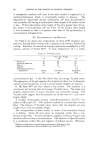
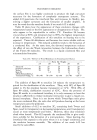
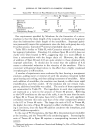
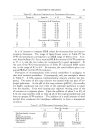
270 JOURNAL OF THE SOCIETY OF COSMETIC CHEMISTS TABLE I--METHYLENEBIS(TP. ICHLOP. OPHENOL) ISOMEP. S Analyses, % No. Isomer M.p. øC. ChlorineJ' found 1 2,2'-methylenebis(3,4,6-trichlorophenol) * 2 2,2'-methylenebis (4,5,6-trichlorophenol) 3 2,2'-methylenebis (3,4,5-trichlorophenol) 40 3,3'-methylenebis (2,4,6-trichlorophenol) 65 3,3'-methylenehis (2,4,5-trichlorophenol) 66 3,3'-methylenebis (2,5,6-trichlorophenol) 67 3,3'-methylenebis (4,5,6-trichlorophenol) 42 4,4'-methylenebis (2,3,6-trichlorophenol) 161-163 220-222 193.5-195 52.1 208-211 51.8 239-241 52.2 184-186 52.2 240-243 51.7 166-167.5 52.3 * Sample of commercial hexachlorophene, U.S.P. (Sindar), manufactured according to U.S. Patent 2,812,365 (1957). J' Calculated for C•3H402C16: CI, 52.3%. formaldehyde would lead to a mixture of the 2,2'-, 4,4'- and 2,4'-methyl- enebis compounds whose separation would be extremely difficult. The methylenebis(trichlorophenols) are listed in Table I with their melting points and chlorine contents. The organisms employed for micro- biological evaluation are given in Table II. EXPERIMEN'I AL I. Chemical Pure 2,4,$-trichlorophenol, 2,3,4-trichlorophenol and 2,3,6-trichloro- phenol were kindly provided by Hooker Chemical Corporation, Niagara Falls, N.Y. 3,4,5-Trichlorophenol was prepared from pract.2,6-di- chloro-4-nitroaniline (Matheson Co., East Rutherford, N.J.) as described TABLE II--ORGANISMS EMPLOYED FOK THE EVALUATION OF METHYLENEBIS(TRICHLOROPHENOL) ISOMERS American Type Culture Name Collection No. Staphylococcus aureus 6538 Staphylococcus epidermidis 155 Bacillus subtilis 9372 Bacterium ammoniagenes 6871 Proteus vulgaris 9920 Escherichia coli 11229 Salmonella typhosa 6539 Pseudomonas aeruginosa Pseudomonas fluorescens 11251 Shigella sonnei .... Klebsiella pneumoniae 10031 Trichophyton mentagrophytes 9129 Trichophyton rubrum 10218 Microsporum audouini 11347 Candida albicans 10231 Pityrosporum ovale Clostridium tetani 8033 Clostridium perfringens 8009 Clostridium sporogenes 11437 Chlorella vulgaris 9765

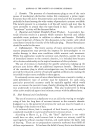
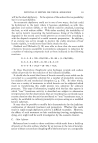
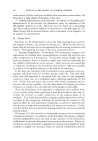
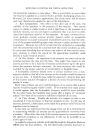
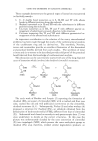
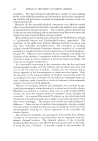
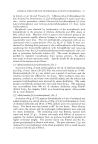
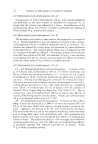
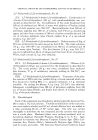
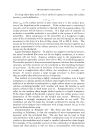
CHEMICAL STRUCTURE AND ANTIMICROBIAL ACTIVITY OF BIS-PHENOLS 271 by Johary, et al. (4) and Tiessens (5). 6-Bromo-2,3,4-trichlorophenol (6) was obtained by bromination of 2,3,4-trichlorophenol in acetic acid solu- tion similar procedures yielded 6-bromo-2,4,5-trichlorophenol (6) from 2,4,5-trichlorophenol and 4-bromo-2,3,6-trichlorophenol (7) from 2,3,6- trichlorophenol. Bis-phenols were obtained by condensation of the monophenols with formaldehyde in the presence of ethylene dichloride and 20% oleum or 96% sulfuric acid. Reaction ortho or para to the hydroxyl group of the phenols proceeds rapidly whereas linkage in the meta position requires considerably more time. The 3,3'-methylenebis compounds with an un- substituted ortho or para position (Nos. 65, 66, 67 in Table I) were syn- thesized by blocking these positions in the trichlorophenols with bromine, condensing the bromotrichlorophenols with formaldehyde and removing the bromine from the 3,3'-methylenebis(bromotrichlorophenols) with zinc dust in potassium hydroxide solution (8). The crude bis-phenols were purified by repeated crystallization from various solvents. No efforts were made to obtain maximum yields. Specific details for the preparation of each of the isomers are as follows: 2,2'-Methylenehis (4,5,6-trichlorophenoO, No. 2 A mixture of 50 g. of 2,3,4-trichlorophenol, 125 ml. of ethylene dichloride and 20 g. of tech. oleum (20-23% SOa) was stirred and heated at 55-60 ø. Paraformaldehyde (4.1 g.) was added over a period of one hour, and the resultant mixture was refluxed for two hours. After cooling to room tem- perature, crushed ice and water were carefully added, and the solvent and unreacted trichlorophenol were removed by steam distillation. The crude product was filtered, washed with water and dried (42 g.). The substance was recrystallized from 900 ml. of ethylene dichloride using Filtrol © (Filtrol Corp., Los Angeles, Calif.) as a decolorizing agent white needles (31 g.) were obtained. 2,2'-Methylen ebis (3,4,5-lrichlorophenol), No. 3 A solution of 4 g. of 37% aqueous formaldehyde in 6 ml. of methanol was added dropwise to a stirred mixture of 20 g. of 3,4,5-trichlorophenol, 70 ml. of ethylene dichloride and 20 ml. of 96% sulfuric acid over a period of two hours. The batch was then heated to 60 ø for two hours. After dilution with water, the solvent and the unchanged trichlorophenol were removed by steam distillation. The remaining solid was filtered, washed with water and dried (17 g.). A slurry was made with 100 ml. of acetone to separate the desired substance from an acetone-insoluble by-product of higher molecular weight. The acetone slurry was filtered and the bis- phenol precipitated by dilution with water. The pure substance (7 g.) was obtained by recrystallization of the dried precipitate from a small amount of toluene with the aid of Filtrol.
Purchased for the exclusive use of nofirst nolast (unknown)
From: SCC Media Library & Resource Center (library.scconline.org)