252 JOURNAL OF THE SOCIETY OF COSMETIC CHEMISTS 2. Keratin. The presence of a keratinaceous plug as one of the main causes of mechanical obstruction makes this component a prime target. Enzymes that will aid in the penetration and removal of this material can probably be found among the wide variety ofproteolytic systems available. The keratin present in a comedone is of the soft variety and may thus be more amenable to attack than the type found in hair. The question of "keratinase" activity will be discussed below. 3. Bacterial and Cellular Metabolic l/Faste Products. A secondary bac- terial infection results in a pustule which contains bacterial and cellular metabolic waste products in addition to sebum and keratin. Probably the most important of these, for this discussion, is the nucleic acid which contributes toward the viscosity of the follicular plug. Deoxyribonucleases should be useful in this area. 4. Inflammation. The recent success of many enzymatic anti-inflam- matory preparations may provide the impetus for dermatologists to try similar therapy in those acne conditions which warrant such treatment. While this application would be systemic and, therefore, outside the area of immediate interest to the cosmetic chemist, it is included here because of its obvious relationship to the topical treatment of this syndrome. The use of enzymes to hydrolyze the specific substrates making up the primary acne lesions offers an additional important benefit. Destruction of the comedone plug in which micro Srganisms may be imbedded should pro,4de for enhanced activity of topically applied antibiotics by making the microbial invaders more available to these agents. In extremely severe cases of acne where lesions have a necrotic overlay, a mild debridement tyl•e of activity may be indicated. In such cases, particular proteolytic enzymes could be topically applied which would serve to remove the necrotic tissue, thereby allowing the healthy granula- tion underneath to function unimpeded. This also would serve to bring other active medicinal agents into intimate contact with the affected area. B. Hair Removal and Conditioning The use of enzymes as a depilatory or as an aid in the waving or straight- ening of hair has long been of extreme interest to the cosmetic chemist. Judgment as to the potential of enzymes for such use must b• based on a knowledge of the chemistry of hair. As indicated above, hair is composed of hard keratin, and, as such, is completely insoluble in water and refractory to enzyme attack. According to Harry (5, p. 571), the "ideal" depilatory is one which would have no odor, would remove hair in about one minute, could be used regularly without causing irritation, and could replace the daily task of shaving. There are no preparations currently marketed that fulfill all of these requirements. It has been the belief of many that a true keratinase

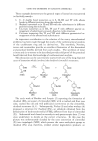
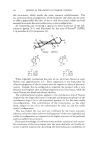
POTENTIAL OF ENZYMES FOR TOPICAL APPLICATION 253 will be the ideal depilatory. In the opinion of the author this is a possibility but it is not a probability. An enzymatic depilatory could act in one of two ways the hair could be hydrolyzed to the point where it becomes solubilized, as with thio- glycolate and sodium sulfide, or the follicle could be attacked, loosening the hair, as with sodium sulfite. With either method, the insolubility of the native keritin (assuming the keratinaceous lining of the follicle is degraded in the second case) would prevent an enzyme from attacking it with the dispatch required of a useful cosmetic preparation. In addition, if an enzyme was active enough to destroy the stable structure of hair keratin rapidly, it would more than likely attack the skin. Goddard and Michaelis (9, 10) were able to show that the most stable of keratins becomes susceptible to proteolysis subsequent to reduction by a number of reducing compounds such as those indicated in the following reactions: R--S--S--R -1- 2HS--CH2COOH --• 2R--SH -1- (S--CHzCOOH)2 R--S--S--R -• HCN --,- R--SH -• R--S--CN R--S--S--R -• 2Na2S --• 2R--SNa -• NazSz In these illustrations thioglycolic acid, hydrogen cyanide and sodium sulfide all provide for the reduction of the indicated disulfide. It should also be noted that forms of keratin normally most stable can be converted to a susceptible substrate for a number of proteolytic enzymes by oxidation (9) and mechanical disruption (9, p. 176). In other words, there are a variety of treatments to which keratin can be subjected which result in transforming this stable protein into substrate for ordinary proteases. This type of information, coupled with the fact that reports in which "true" keratinase activity is described are subject to alternative interpretations for the observations that are recorded, has convinced many enzyme chemists that the activity attributed to "true" keratinases may, in reality, be ascribable to ordinary proteolytic enzymes acting on a modified keratin substrate. It may thus be possible to modify hair characteristics by the judicious combination of chemical treatment and proteolysis. Whether this could result in rapid enough depilatory activity is difficult to predict. However, the effects of such treatment on hair conditioning (waving, straightening, dying, etc.) might well be worth investigation by the cosmetic chemist. C. Skin Softener Reference here is made to those conditions which result from a build-up of keratin at the skin surface, whether by an increase in the rate of keratini- zation without concomitant sloughing off of the horny layer at a comparable
Purchased for the exclusive use of nofirst nolast (unknown)
From: SCC Media Library & Resource Center (library.scconline.org)