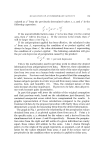
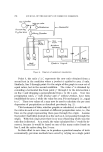
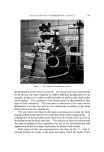
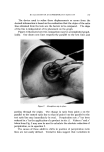
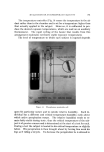
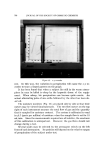
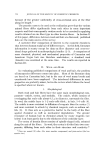
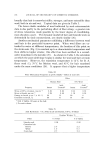
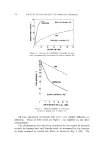
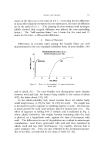
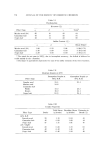
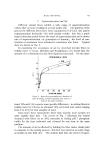
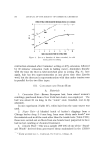
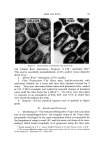
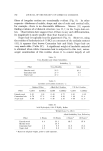
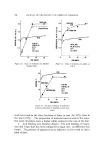
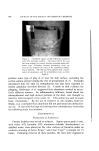
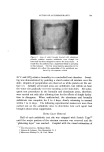
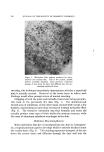
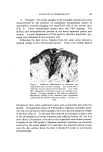
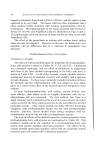
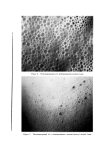
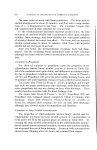
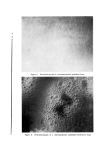
792 JOURNAL OF THE SOCIETY OF COSMETIC CHEMISTS Figure 3. Methylene blue pattern produced by ionto- phoresis into normal skin. This is the typical, specific pattern nor•nally obtained. Each punctmn represents passage of dye down the duct and diffusion into the sur- rounding epidermal tissue sweating, this technique immediately demonstrates whether a superficial plug is actually present. Removal of the horny layer to relieve such blockage would allow prompt return of normal sweating. Stripping of both the water and formalin treated sites brings perspira- tion back to the previously dry skin (Fig. 1). The aluminum-salt treated area of anhidrosis, on the other hand, showed little except a few droplets, representing no more than reversal of residual hydration effect (Fig. 2). The tentative conclusion was that formalin and water did actually produce some type of block within the stratum corncure, while the cause of aluminum anhidrosis was deeper in the skin. Methylene Blue Iontophoresis When methylene blue dye is introduced into the skin by iontophore- sis, a typical punctate pattern develops which is entirely localized about the eccrine ducts (Fig. 3). This staining represents transport of the dye down the eccrine ducts and diffusion through the duct wall into the

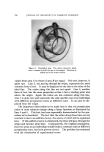
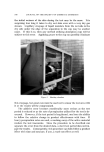
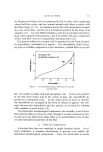
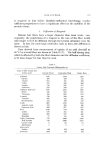
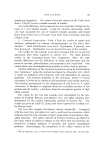
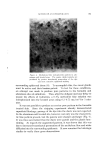
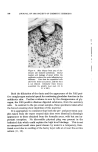
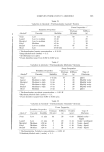
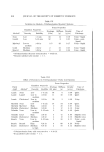
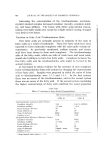
ACTION OF ANTIPERSPIRANTS 793 Figure •. Methylene blue iontophoretic pattern in alu- minton salt treated area. The coarse, darker puneta are produced by greater transductal permeation of the dye and more extensive epidermal staining surrounding epidermal tissue (8). To accomplish this, the sweat glands must be active and their lumina patent. To test for these conditions, an attempt was made to produce pore patterns in the formalin and aluminum sites of anhidrosis. Thus, after the obligate one hour delay to negate the effects of hydration, a 0.1% methylene blue solution was iontophorized into the treated areas using 0.5-0.75 ma/cm • for 5 min- utes. It was not possible to produce an eccrine pore pattern in the formalin treated skin. Since the stripping experiment already demonstrated superficial blockage, passage of the dye into the ducts was not expected. In the aluminum-salt treated site, however, not only was the characteris- tic blue pattern present, but the puneta were sharper and larger (Fig. 4). It was thus ascertained that the ducts were patent and the glands func- tioning. As regards the augmented pattern, it was shown that this was due to increased transductal permeation of the methylene blue and wider diffusion into the surrounding epidermis. It now remained for histologic studies to verify these gross observations.
Purchased for the exclusive use of nofirst nolast (unknown)
From: SCC Media Library & Resource Center (library.scconline.org)