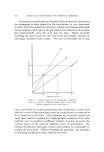
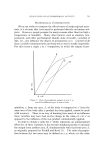
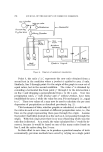
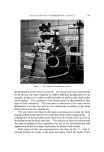
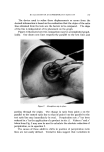
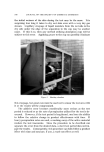
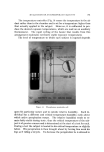
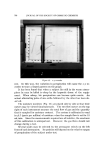
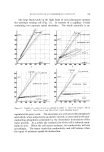
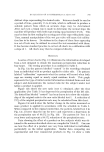
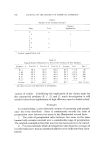
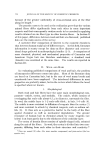
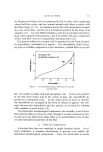
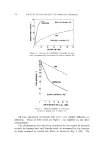
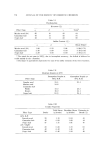
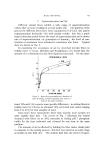
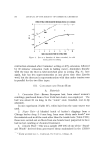
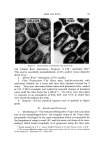
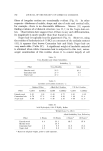
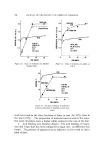
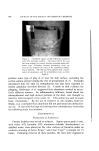
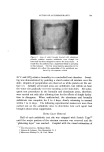
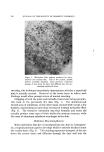
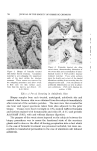
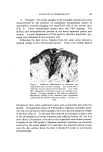
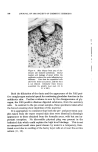
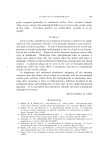
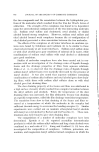
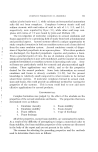
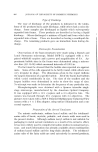
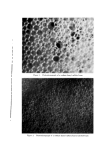
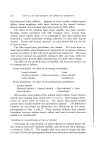
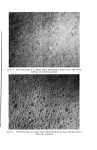
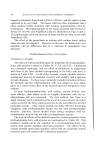
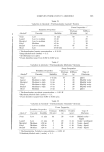
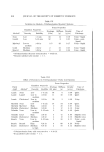
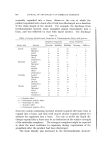
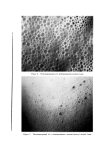
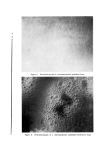
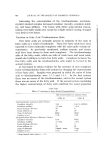
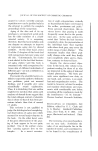
794 JOURNAL OF THE SOCIETY OF COSMETIC CHEMISTS •..•. ..... •:..C•'• •*...•:... ...: . . Figure 5. Biopsy of formalin treated skin before forced sweating. Amorphous material is seen plugging the uppermost coils of the duct within the stratum corncure. These masses are removed by the stripping procedure and allow sweat to flow onto the skin surface again. Note that the duct is not dilated. (H. & E. 25()X) •.. ,,: ...• . -*'•. .- . :. "' -:: .... •g. ---... -.,.. -:• . ::. ß • • •":• •:': ' •" • ½4 •..• ' 7 : ": • '• •:•[• • Fig•re 6. Formalin treated site after sweat stress, demonstrating distension of the sweat duct and accmnulation of intra- luminal masses of PAS positive diastase resistant material. These serial sections show the depth amt extent of the ductal dilatation resulting from sweating into the plugged eccrinc unit. Note the absence of periductal inflammation as seen in alumi- num anhidrosis. (PAS with diastase di- gesti(m X 100) Effec! •J' Forced Sweating in..4 nhidrotic Sites Biopsy samples from each treated, unstripped, anhidrotic site and control volar forearm skin were obtained from five subjects immediately after removal of the occlusive patches. The men were then sweated for one hour and repeat specimens taken from sites adjacent to the prior biopsy. Tissues were fixed overnight in 10% neutral buffered formalin and sections stained with hematoxylin and eosin (H. & E.) and periodic Acid-Schiff (PAS), with and without diastase digestion. The purpose of the sweat stress imposed on the subjects between the biopsy procedures was to assess the functional state of the secretory glands and to observe the effect of forcing perspiration into a duct which in the case of formalin treatment was presumed occluded, but more sus- ceptible to transductal permeation in the case of aluminum salt induced anhidrosis.

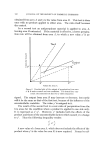
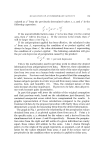
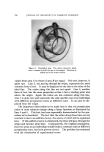
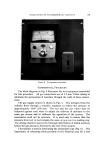
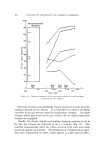
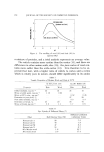
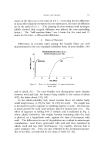
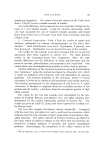
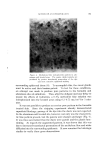
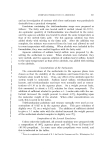
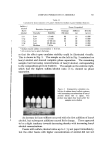
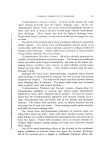
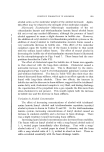
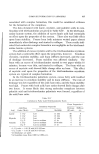
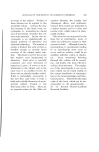
ACTION OF ANTI PERSPIRANTS 795 A. b'orrnalin--Pre-sweat samples in the formalin treated areas were characterized by the presence of amorphous intraluminal masses of eosinophilic material plugging the superficial coils of the eccrine duct (Fig. 3). These intraluminal masses were not PAS staining. The derreal and intraepidermal portion of the ducts appeared patent and normal. A good complement of PAS positive (diastase digestible) gly- cogen was contained in the secretory coil. Following the heat stress, biopsies from the same areas showed a marked change in the microscopic picture. Ducts were widely dilated Figure 7. Periductal inflmmnatiom in aluminum salt treated skin alter one hour sweating. The eccrine unit is otherwise normal without ductal dilatation. The "plug- like" appearance of the horny layer is an artifact of sec- tioning. Pre-sweat samples of this skin are without iu- flammation, leading to the conclusion that perspiration pouring into the derntis invites the reaction. (H. & E. X lOO) throughout their entire epidermal course and occasionally deep into the dennis. Intraluminal masses of PAS positive (diastase resistant) mate- rial, not seen in the pre-sweat samples, now were present along the length of the duct (Fig. 6). In the past this material was thought to play a role in the development of sweat retention and miliarial lesions (9), but it is more likely a secondary event due to the superficial obstruction present. Granules of the PAS positive (diastase resistant) substance are normally secreted by the sweat glands (10), and since the material cannot escape onto the skin surface when the duct is blocked it tends to accumulate intraluminally.
Purchased for the exclusive use of nofirst nolast (unknown)
From: SCC Media Library & Resource Center (library.scconline.org)