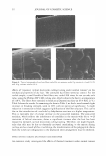
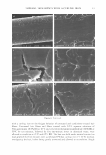
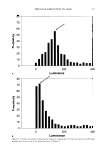
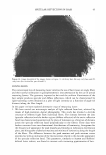
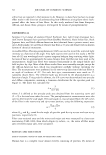
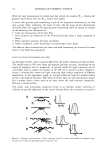
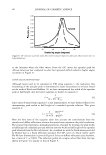
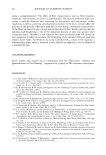
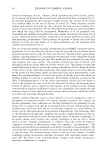
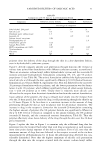
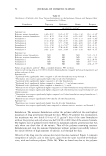
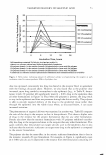
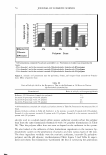
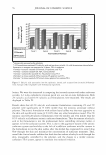
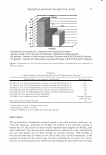
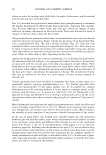
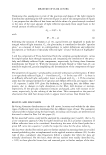
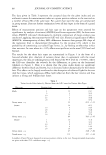
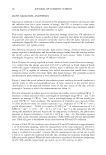
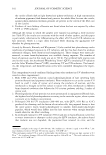
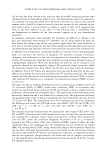
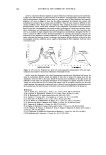
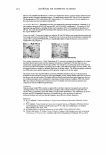
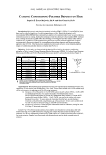
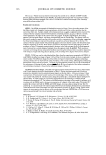
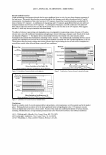
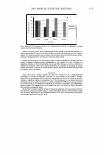
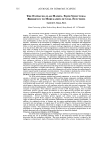
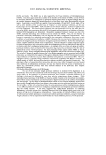
20 JOURNAL OF COSMETIC SCIENCE Figure 5. Hair fibers exposed to 20 cycles (a-d), 50 cycles (e, f), and 100 cycles (g-j) of wetting (30 seconds) and thermal treatment (10 seconds). loads produced damage significantly different from that observed in the case of the dry fiber. In addition to compression, disintegration, radial cuticular cracking, and scale edge fusion of the surface cuticle cell observed earlier at the f/m interface (Figure 6a, b), we also observed fine-line cracking scalloped around the fused scale edges (Figure 6c). This

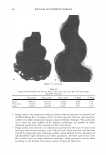
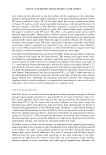
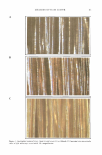
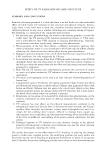
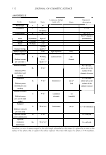
THERMAL TREATMENTS WITH A CURLING IRON 21 Fi g ure 5. Continued. was already observed during ren minutes of curling of wet hair under normal load (no added tension). As expected, cuticular damage increases with increasing load during the curling of wet hair fibers for a longer time. As the tension increases from 10 g to 30 g during thermal exposure, there is increased compression and complete disintegration of the surface cuticle cell at the fiber/metal interface, fine-line cracking as well as severe radial cuticular cracking, and various levels of scale edge fusion. These "typical" damage phenomena are shown in Figure 6d-i. Extremely severe disintegration of the surface cuticle cell into an unrecognizable, fused enriry was observed at the f/m interface. This fusion is probably caused by the high temperature flow of the cell proteins plasticized by water at the f/m interface under rhe influence of the applied load ( 10-30 g). These rests have shown that adhering to the recommended guidelines for curling (dry hair, normal tension, short-term curling) results in minimal damage to the cuticula. However, disregarding these guidelines increases the potential for severe surface damage, which culminates in rhe disintegration of the curicula, especially when rhe hair is in rhe wet stare. EFFECT OF HEAT CURLING ON TENSILE MECHANICAL PROPERTIES or DRY HAIR Specimens from the same tress of dark brown European hair were used to examine rhe
Purchased for the exclusive use of nofirst nolast (unknown)
From: SCC Media Library & Resource Center (library.scconline.org)