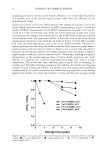
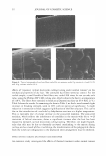
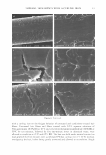
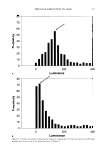
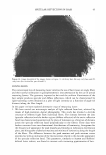
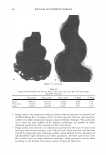
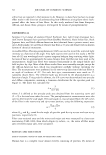
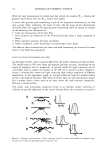
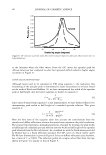
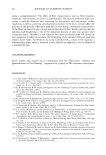
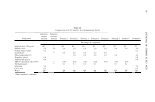
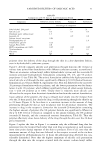
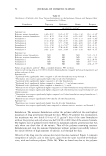
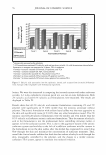
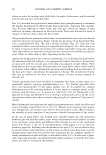
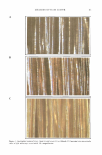
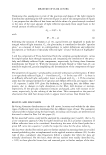
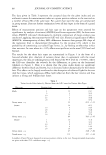
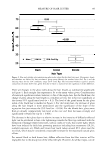
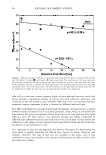
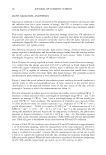
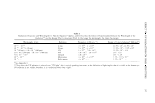
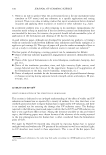
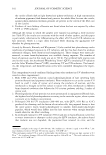
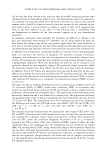
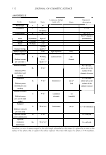
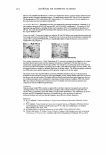
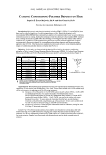
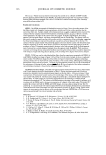
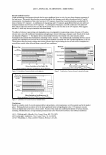
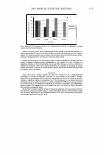
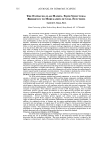
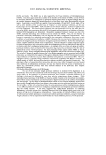
22 JOURNAL OF COSMETIC SCIENCE Figure 6. Typical topography of wet hair fibers curled for ten minutes under 0 g tension (a-c) and 10, 20, and 30 g constant tension (d-i). effects of "repeated, cyclical short-term curling/cooling under normal tension" on the mechanical properties of dry hair. The untreated hair fibers served as control. For the curled sample, a small bundle of hair fibers was curled 200 rimes for ten seconds each time, using the Phillips HP 4480 curling iron, which subjects the hair to a temperature of 110°C. The fibers were extended to break on a Diastron machine (at 65% RH, 21 °C). Table I shows the results. In examining the data in Table I, we find a trend toward slight increases in breaking strength, work to 20% with no statistical significance. A slight reduction in extension to break suggests rigidification of the fiber structure. This can be due to the introduction of crosslinks by dehydration reactions at a higher temperature. This is especially true of a large increase in the post-yield modulus. The post-yield modulus, which reflects the interference of crosslinks in the matrix with the a ➔ � transition of helical structures, shows a significant increase after the hair has been exposed co repeated, cyclical short-term curling/cooling. Therefore, one might hypoth esize that this may be due to thermally activated crosslinking in the matrix during curling, and as a result of this crosslinking, the transformation of the polypeptide chains from the a-helical configuration to the �-pleated sheet arrangement may be inhibited. EFFECT OF HEAT CURLING ON TENSILE FATIGUE BEHAVIOR An extensive study investigated the effects of thermal treatment under normal tension

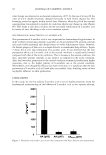
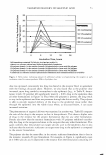
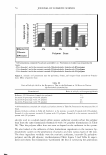
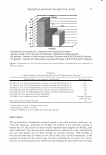
THERMAL TREATMENTS WITH A CURLING IRON fi g ure 6. Conrinued. 2 7 with a curling iron on the fatigue behavior of untreated and conditioner-treated hair fibers. Untreated hair fibers and fibers treated with 0.5% aqueous solutions of Polyquaternium 10 (PQl0) at 40 ° C and cetyl trimethylammoniumbromide (CETAB) at 50°C for ten minutes, followed by five one-minute rinses in deionized water, were allowed to condition at 21 °C and 65 % RH. The hair was held under normal tension (no load applied) for five minutes over a preheated Philips curling iron (-l l0 ° C) without overlapping the hair, before being gently unwound and allowed to recondition. Single
Purchased for the exclusive use of nofirst nolast (unknown)
From: SCC Media Library & Resource Center (library.scconline.org)