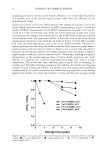
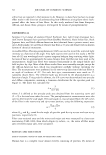
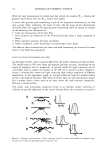
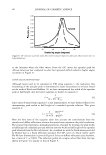
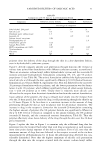
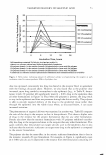
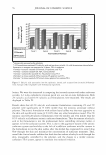
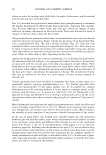
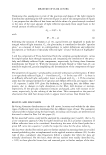
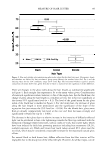
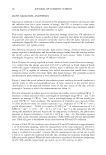
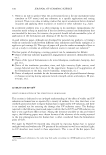
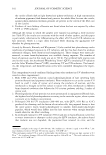
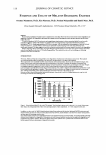
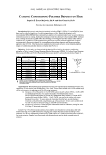
TARGETED DELIVERY OF SALICYLIC ACID 73 .c 35 l'I .... 30 l'I +:N 25 l! E _______ _,_ __ ..__ _______ .__ +----�---': .,.. _____ .....,_,. ______________�I --Anionic 1j -2 a 20 -9-Commercial G) a. .... c.5 2 0 15 C a. ... m '2 E Cl) .= 10 :I � C 0 0 6 12 18 Incubation Time, hours *All formulations contained 2% Salicylic Acid and are in table IA. -Anionic is a reference sodium lauryl sulfate hydroalcoholic formulation --tl-0% polymer -M-2% polymer ......,.3% polymer 24 -0% polymer formula 1 is the nonionic Isoceteth-20 hydroalcoholic system with 0% polymer -2% polymer formula 3 is the nonionic Isoceteth-20 hydroalcoholic system with 2% polymer -3% polymer formula 4 is the nonionic lsoceteth-20 hydroalcoholic system with 3% polymer -Commercial is a reference nonionic hydroalcoholic formulation (most ormulation details not available) Figure 2. Delta values indicating amount of additional salicylic acid penetrating the receptor at each incubation time for various products: Effect of polymer dose. dose was increased, consistently less drug was found in the receptor fluid, in agreement with the findings discussed above. However, we also found that as the polymer dose increased, more drug tended to accumulate in the epidermis [e.g., in Table II, formu lation 4 with 3% polymer left significantly more (p 0.05) drug in the epidermis than all other formulations in Figure 3}. Thus when the polymer is present, the drug tends to stay in the epidermis and does not penetrate through the skin as readily. The polymer is able to provide targeted delivery of the drug to the epidermal tissue rather than through the epidermis into the viable tissue where, as discussed below, it can cause increased irritation. The phenomenon of targeted delivery was examined in another way. Table III compares the ratio of the drug in the receptor to that in the epidermis. This shows a higher ratio of drug in the receptor for the anionic formulation than for any other formulation. Results also show that the nonionic formulation with 3% polymer exhibited consider ably less drug in the receptor and more in the receptor than any other formulation. This again confirms that the polymer can target salicylic acid to the epidermis, but it also indicates that the nonionic surfactant can target more drug to the epidermis as compared to the anionic formulation. The polymer also has the same effect in the anionic surfactant formulation that it does in the nonionic isoceteth-20 type formulation. For example, in Figure 4, significantly more (p 0.05) salicylic acid is deposited in the receptor from the formulation containing 2% ,_

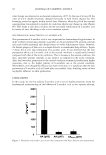
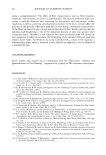
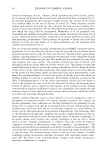
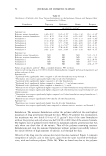
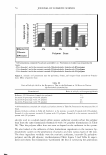
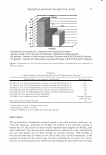
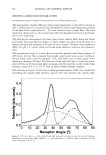
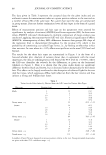
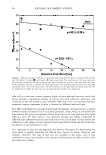
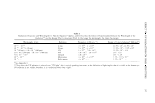
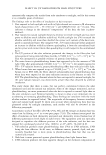
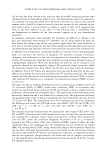
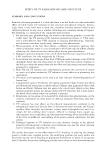
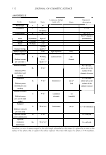
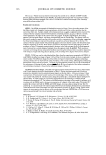
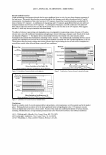
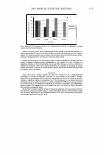
74 JOURNAL OF COSMETIC SCIENCE N ,:, E 40 ·u CJ 35 C) .!:! :::s C � .!:! .:: 20 .... en - 15 Cl) 10 Cl) 5 0 ■ Epidermis 0% 1% 3% □ Dermis Polymer Dose Receptor * All formulations contained 2% salicylic acid (table IA). Penetration in receptor was measured at 24 hours. -0% is formula I and is the nonionic isoceteth-20 hydroalcoholic formula with 0% polymer -1 % is formula 2 and is the nonionic i soceteth-20 hydroalcoholic formula with 1 % polymer -3% is formula 4 and is the nonionic isoceteth-20 hydroalcoholic formula with 3% polymer Figure 3. Salicylic acid penetration into the epidermis, dermis, and receptor from isoceteth-20 formula tions: Effect of polymer dose. Table III Ratio of Salicylic Acid in the Receptor to That in the Epidermis at 24 Hours in Various Hydroalcoholic Formulations Formulation* Reference 2% SA anionic formula (no polymer) Isoceteth-20 prototype with 0% polymer lsoceteth-20 prototype with 2% polymer lsoceteth-20 prototype with 3% polymer Ratio of salicylic acid:receptor/epidermis 2.3 1.45 1.1 0.8 * All formulations contained 2% salicylic acid and are shown in Table IA. Penetration was measured for 24 hours. Anionic formula is shown in Table IA. Formula 1 is the nonionic isoceteth-20 system with 0% polymer. Formula 3 is the nonionic isoceteth-20 system with 2% polymer. Formula 4 is the nonionic isoceteth-20 system with 3% polymer. salicylic acid in a sodium lauryl sulfate anionic surfactant system without the polymer than from the same formulation (formula 8) with 3% polymer (formulations in Table IA). Thus the polymer effect does not seem to depend on the surfactant in the system. We also looked at the influence of three formulation ingredients in the nonionic hy droalcoholic system on the penetration of salicylic acid into various layers of the skin. The three ingredient variables were the nonionic surfactant, isoceteth-20 polyolpre polymer and the pH adjuster, triethanolamine (TEA). Figure 5 (and Table II, experi ment one) shows that formulation 4 performed the best at minimizing the penetration
Purchased for the exclusive use of nofirst nolast (unknown)
From: SCC Media Library & Resource Center (library.scconline.org)