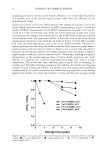
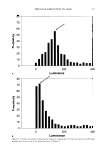
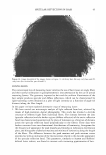
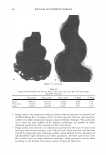
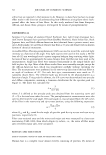
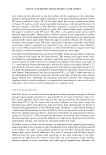
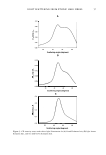
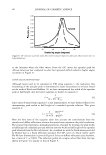
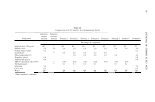
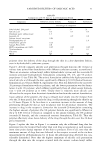
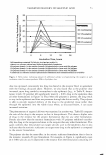
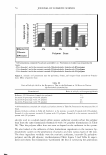
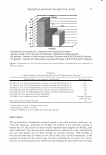
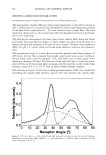
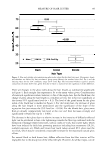
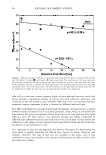
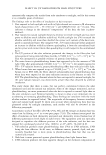
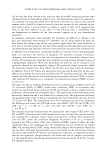
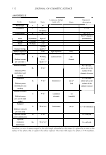
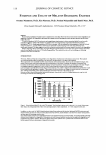
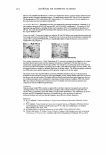
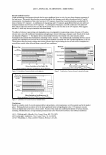
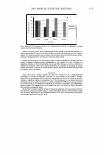
N c .2 TARGETED DELIVERY OF SALICYLIC ACID 70 60 50 40 30 20 10 0 anionic 3% polymer Formulations Epidermis ■Dermis □Receptor * A]] fonnu]ations contained 2% sa]icy]ic acid (table 1 A). Penetration was measured at 24 hours. -Anionic is reference sodium lauryl su]fate hydroa1coho]ic anionic formulation with 0% po]ymer 75 -3% polymer is formula 8 and is the sodium Jaury] su]fate hydroalcoho]ic formulation with 3% polymer Figure 4. Penetration of salicylic acid from anionic surfactant formulations with and without polymer into the epidermis, dermis, and receptor: Effect of polymer. rate of salicylic acid into the receptor and maximizing entrapment of the drug in the epidermis [it was significantly better than all other formulations at achieving this (p 0.05)}. Three ingredients must be present to achieve this, namely isoceteth-20 surfac tant, TEA, and an optimized amount of polymer (3% in this case). If any of these are deleted, such as in formulas 1 (polymer deleted), 5 (TEA deleted), 6 (isoceteth-20 deleted), and 7 (polymer and isoceteth deleted), significantly more drug goes into the receptor and less into the epidermis (p 0.05). Thus there is a synergistic-type of relationship between these three components to target drug delivery into the epidermis and slow release into the receptor and hence through the skin. We also compared drug penetration from the 0. 5 % salicylic acid prototype nonionic formulations (see Figure 6) with or without the polymer and from an anionic formula tion containing 0.5% salicylic acid. Results for these low salicylic acid formulations continue to show that the polymer slows delivery of the drug through the skin (although in this case the 1 % polymer effect did not quite reach statistical significance) and that the nonionic system in general is significantly better at slowing delivery of the drug through the skin than the anionic formulation (p 0.05 ). The anionic system was not .sodium lauryl sulfate in this case rather, it was lauryol sarcosinate and lauryl sulfosuc cinate. Still, the nonionic system surpassed the alternate anionic system in slowing delivery of salicylic acid into the skin. IN VIVO CLINICAL PATCH TEST RESULTS In order to determine if the polymer effect of reducing penetration of salicylic acid through the skin results in reduced irritation, we tested isoceteth-20 formulations with different levels of polymer versus no polymer versus current marketed reference formu-

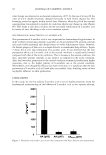
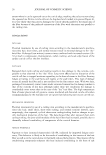
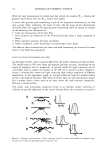
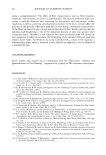
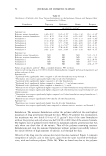
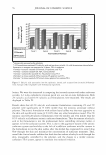
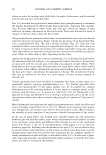
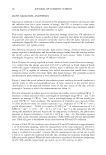
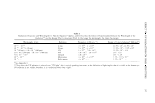
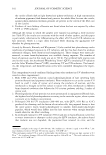
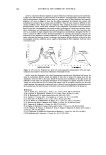
76 JOURNAL OF COSMETIC SCIENCE 50 N 45 E ·o 0 40 CJ -� ::I 35 C , 0 30 -� � 25 ii ... en � 20 15 D.. 10 5 ■ Epidermis 0 □ Dermis Form 1 Form4 Form 5 Form 6 Form 7 Formulation Number (3 Receptor *Human skin was used as the substrate * All formulations contained 2% salicylic acid and are shown in table I A with the omissions shown below. Penetration in receptor was measured at 24 hours. TEA is trolamine -Formula 4 contains isoceteth-20 formula, 3% polymer, and TEA -Fommla I contains isoceteth-20, TEA, but no polymer -Formula 5 contains the isoceteth-20, 3% polymer minus TEA -Formula 6 is minus isoceteth-20 but contains 3% polymer and TEA -Formula 7 is minus isoceteth-20 formula minus polymer but contains TEA Figure 5. Salicylic acid penetration into the epidermis, dermis, and receptor from isoceteth-20 formula tions: Synergic effect of polymer and formulation ingredients. lations. We were also interested in comparing the isoceteth system with other surfactant systems. A 14-day cumulative irritation patch test was run on nine formulations. Both 2% salicylic acid and 0.5% salicylic acid formulations were examined. The results are displayed in Table IV. Results show that all 2% salicylic acid nonionic formulations containing 2% and 3% polymer were significantly (p � 0.05) milder than the nonionic prototype without polymer. The anionic formulation with sodium lauryl sulfate was the most aggressive to the skin and significantly worse (p � 0.05) than any other formulation tested. The 2% nonionic isoceteth-20 salicylic formulations were the mildest and even milder than the 0.5% salicylic acid reference anionic surfactant formulation. Thus the amount of salicylic acid in the formulation is not the predominant factor controlling irritation rather, it appears to be the surfactant system. This is due to the aggressive nature of the anionic surfactant system used and also to the lack of a sufficient surfactant micellar content in the formulation (or on the skin surface after the alcohol has evaporated) to retard drug flow through the skin and minimize the concentration of surfactant monomer. Thus, overall the clinical results validate that both the slow release of salicylic acid through the skin, presumably controlled by the polymer, and the change to a milder nonionic surfactant TEA system, appear to translate into reduced irritation.
Purchased for the exclusive use of nofirst nolast (unknown)
From: SCC Media Library & Resource Center (library.scconline.org)