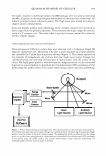
QUANTITATIVE MODEL OF CELLULITE 109 Live visual grades. The lateral thighs were evaluated with the subject positioned on a bicycle seat (to avoid thigh compression) with the knees bent at 90° angles. A trained judge scored the outer aspect of each thigh using the following scale: 0 (smooth, no dimples), 1 (shallow, small visible dimples, few and sparsely located), 2 (moderate number of visible dimples, some large), 3 (large number of dimples, many large, over most of the surface, cottage cheese appearance), and 4 (wide, deep visible dimples over entire thigh, very prominent cottage cheese appearance). Half-point increments were used for intermediate conditions, resulting in ten increments: 0, 0.5, 1.0, 1.5, 2.0, 2.5, 3.0, 3.5, 4.0, and 4.5 (for grades higher than 4.0). MEASUREMENTS Weight, height, and thigh circumference were measured using a standard hospital scale with height bar and measuring tape. Sites at the center lateral thighs were demarcated with a 2-cm diameter area centered within a 5-cm diameter circle. DUAL-ENERGY X-RAY ABSORPTIOMETRY (DEXA) Total and regional body composition (lean and fat mass) was measured with a dual energy x-ray absorptiometry (DEXA) total body scanner (Hologic Inc., San Francisco, CA) at the body core composition laboratory of the General Clinical Research Center of Cincinnati Children's Hospital Medical Center. Fat percentages were calculated for the total body, thigh, thigh subregion (area of ultrasound and biomechanical measure ments), android (torso), and gynoid (hip/thigh), using joints as landmarks. The body fat distribution was calculated from the android/ gynoid fat mass ratio, an index of the fat allocation amid the torso and hip/thigh regions (23). ULTRASOUND Dermal thickness (mm) and the dermal-subcutaneous junction surface area (mm2) of the thigh sites were determined using the Dermascan C® Version 3 (Cortex Technology, Hadsund, Denmark) with a 20 MHz 3D probe (24). A 22.4 x 22.4 mm area was scanned with an interslice distance of 0.2 mm, providing 112 B-scans (2D images). The acoustic velocity of the instrument was set to 1580 mis (24). The mean dermal thickness (112 B-Scans) was determined with the Dermascan C® software to define the outer boundary of the epidermis and the inner dermal/subcutaneous fat boundary. The surface area of the 3D dermal/subcutaneous junction was reconstructed by manually delineating the der mal/subcutaneous border from 50 consecutive B-Scans (224 mm2 area or 50 scans x 0.2 mm z-dir x 22.4 mm y-dir). SURFACE TEXTURE WITH PHOTOGRAPHY Surface texture under compression was measured with an Accentuated Cellulite Imaging System (ACIS, Procter and Gamble, Cincinnati, OH). The thigh was compressed with gripping handles to 11.6 mm from a starting point of zero. Moisturizing lotion (Oil of Olay Beauty Fluid, Procter and Gamble, Cincinnati, OH) was applied prior to the measurement to eliminate confounding the effects of dry skin. Digital images were

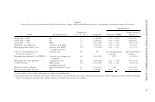
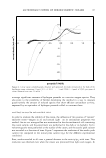
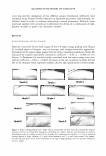
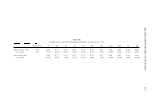
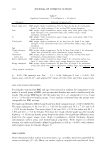
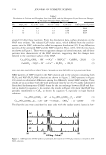
110 JOURNAL OF COSMETIC SCIENCE captured, color corrected, and processed (Optimas software). A center region (570 x 210 mm) was analyzed to eliminate edge effects. Changes in the color intensity of adjacent pixels provided an output parameter related to shadowing in cellulite dimples under compression and designated as the red-band standard deviation (red-band SD). BIOMECHANICAL PROPER TIES The biomechanical properties were measured at the thigh site (2-cm diameter area) using the BTC-2000™ (SRLI Technologies, Nashville, TN) through two cycles over 2 cm at a pressure of 10 mmHg/sec for 15 seconds (150 mmHg, 200 mbar) with five seconds of relaxation between cycles. The measured properties were laxity (acute elastic deforma tion), laxity % (percent, indicates slack or looseness), elastic deformation (total displace ment at maximum pressure), stiffness (slope of the stress/strain curve higher value indicates tighter skin), energy absorption (area under the stress/strain curve, entire deformation response higher values indicate more compliant skin), elasticity (reverse deformation by full-pressure release), and elasticity % (elasticity/elastic deformation x 100% higher values indicate more elastic skin) (2 5 ). NAIVE JUDGE CELLULITE IMAGE ASSESSMENT High-contrast (gray scale) images were viewed on black backgrounds to allow the judge to focus on the image and distinguish the skin surface features. The length of time for the evaluation was optimized to minimize fatigue and maximize response fidelity. At the start of a session, the judge was given descriptors of cellulite (lumps, bumps, dimples, ripples, cottage cheese appearance) and instructed to ignore non-cellulite features (e.g., vertical bands, specks). Responses were made using a 0-9 category scale (Table II). Four assessment schemes (A-D) were used to randomize presentation and ensure that the question sequence was removed as a variable in scoring cellulite severity. Judges first viewed single images to obtain a frame of reference and then evaluated the ten single images of the expert image grading scale. The use of pair-wise comparisons is more effective than subjective rating scales in medical imaging since it allows observers to detect small differences in image quality (26). We used a modified version of the two-alternative forced-choice (TAFC) method in which judges scored each image within a pair. The method assumes that the image with the higher score has the more severe condition (26). Twenty-five randomized pairs of varying differences in severity were evaluated to determine the threshold of incremental discrimination (i.e., grade 1 vs grade 7, a six-increment difference). Pairs of identical images were included as controls. STATISTICAL ANALYSIS The data were analyzed using the Sigma Stat Software (SPSS, Inc.), with a significance level of p 0.05. Results were represented as mean ± SD and mean ± SEM. Student's None Slight cellulite 0 2 3 Table II Ten-Point Category Scale Moderate cellulite 4 5 Severe cellulite 6 7 8 9
Purchased for the exclusive use of nofirst nolast (unknown)
From: SCC Media Library & Resource Center (library.scconline.org)