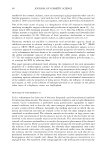
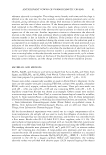
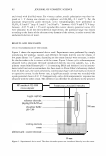
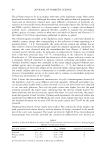
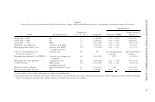
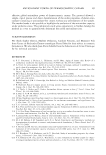
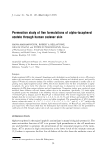
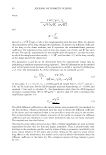
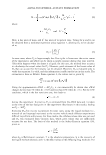
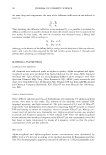
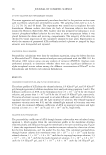
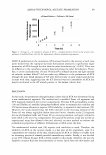
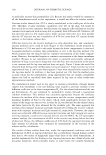
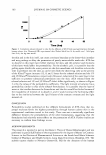
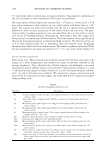
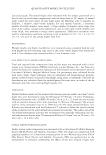
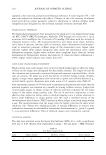
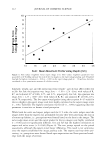
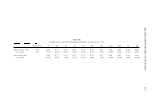
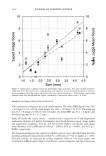
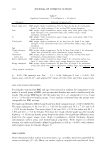
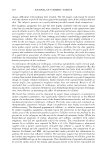
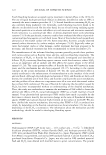
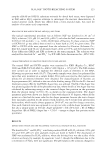
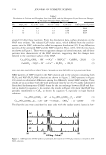
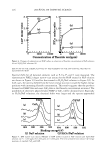
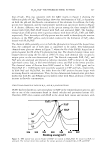
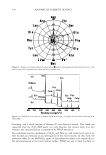
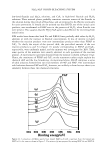
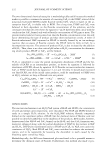
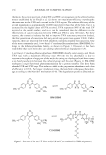
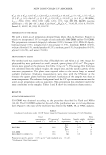
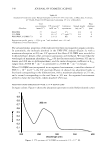
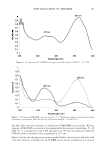
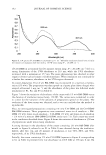
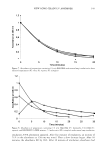
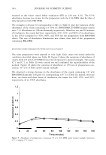
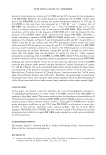
0,9 0,8 0,7 0,6 C m .0 0,5 .0 0,4 : 0,3 0,2 0,1 0 200 Figure 4. 1 0,9 0,8 0,7 � 0,6 C m 0,5 0,4 0,3 . \ 0,2 0, 1 0 200 NEW LONG-CHAIN UV ABSORBER 361 nm 271nm 250 300 350 Wavelength (nm) UV spectrum of Cl0-DBM in an aqueous micellar solution of SDS (5 x 10- 2 M). # 250 300 Wavelength (nm) # # # 359 nm ----. .... . 350 141 400 .. 400 Figure 5. UV spectra of BM-DBM in acetonitrile (2.2 x 10- 5 M) before irradiation (dotted line) and after five minutes of irradiation (full line) with a 150-W xenon lamp (P = 20 mW cm- 2 ). and after (full curve) five minutes of irradiation of BM-DBM in acetonitrile. When a solution of BM-DBM in acetonitrile was irradiated for five minutes (xenon lamp, P = 20 mW cm- 2 ), a strong fall in the UVA absorbance at 359 nm was observed, while the UVB absorbance increased, with a maximum at 267 nm. Figure 6 shows the absorption spectrum recorded before (dotted curve) and after (full curve) five minutes of irradiation of Cl0-DBM in acetonitrile. Irradiation of a solution

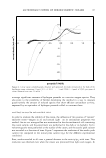
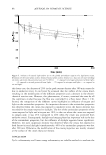
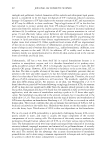
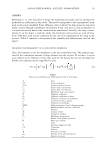
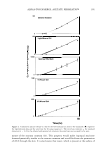
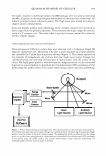
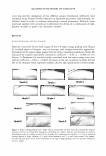
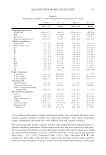
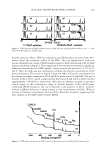
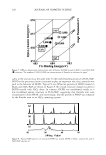
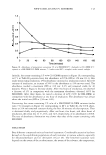
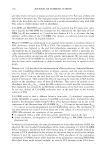
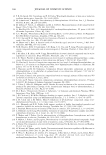
142 1 0,9 0,8 0,7 0,6 0,5 0,4 ( 0,3 0,2 0,1 0 200 JOURNAL OF COSMETIC SCIENCE 263 nm 250 300 Wavelength (nm) 357 nm 350 400 Figure 6. UV spectra of ClO-DBM in acetonitrile (2.9 x 10- 5 M) before irradiation (dotted line) and after five minutes of irradiation (full line) with a 150-W xenon lamp (P = 20 mW cm- 2 ). of ClO-DBM in acetonitrile for five minutes (xenon lamp, P = 20 mW cm-- 2 ) led to a strong diminution of the UVB absorbance at 263 nm, while the UVA absorbance increased, with a maximum at 357 nm. The same phenomenon was observed in other organic solvents such as hexane or dichloromethane. When irradiation was continued for a further five minutes, absorbance in the UVA region decreased. In cosmetic preparations. First of all, BM-DBM was incorporated in a water-in-oil prepa ration (1 % w/w). The preparation was then spread on a quartz plate (three dosages were assayed, all around 1 mg cm- 2 ), and the absorbance of the plates was followed under irradiation (se Pl, P2, and P3 in Table I). Figure 7 shows the variations of absorbance of the cream with 1 % w/w BM-DBM versus the duration of irradiation (xenon lamp, 150 W). The curves were normalized in order to correct for the variation of the amounts of preparations spread on the plates. The evolution of the three assays was identical, and so we can conclude that the method is reproducible. Thus, we investigated preparations containing 1 % w/w ClO-DBM and the ClO-DBM/ BM-DBM mixture. Three preparations were examined: water-in-oil emulsion + BM DBM 1 % w/w water-in-oil emulsion + ClO-DBM 1 % w/w and water-in-oil emulsion + 1 % w/w of a mixture (BM-DBM/ClO-DBM, molar ratio 7:3). Each cream was tested in the conditions described above. Figure 8 shows the variation of absorbance at 358 nm of preparations under xenon lamp irradiation. A strong decrease in the absorbance of the cream containing 1 % w/w BM-DBM (dia monds in Figure 8, referred to as Pl in Table I) was observed during the irradiation. Indeed, after five, ten, and 20 minutes of irradiation, it lost 50%, 80%, and 96%, respectively, of its UVA absorbance. Initially, the cream containing 1 % w/w ClO-DBM (squares in Figure 8 corresponding to Cl in Table I) presented very low absorbance in UVA (OD at 358 nm: 0.14). On
Purchased for the exclusive use of nofirst nolast (unknown)
From: SCC Media Library & Resource Center (library.scconline.org)