JOURNAL OF COSMETIC SCIENCE 24 pH and skin dryness in infants (10). As has been recently shown, merely maintaining a low skin pH helps prevent chemically induced atopic dermatitis and can repair moderate age-related barrier defects (11,12). Increased SC pH has been shown to directly cause SC swelling and a change in lipid transition temperatures, increasing the reactivity of the skin (13). Surprisingly, experimental data on the effects of common practices such as bathing and relatively brief soaking on NMF levels is sparse. Earlier reports from our group (Visscher, Tolia, Fugitt, Hoath, Wickett) have shown that bathing/soaking reduces skin hydration and the rate of stratum corneum moisturization in both infants and adults (14,15). Topical application of NMF reversed the effects of soaking, but direct quantita- tive measures of NMF were not made. A direct connection between NMF levels, skin moisturization, and water handling properties in normal skin has not been well estab- lished experimentally. Biophysical measurements such as TEWL or MAT are commonly used in cosmetic indus- try laboratories. Despite the frequency with which these tests are used, a complete under- standing of what these instruments really measure in the skin is still lacking. We hypothesized that exposure to water (soaking) would reduce NMF levels in the outer stratum corneum relative to normal, non-exposed skin. We also hypothesized that there is a relationship between NMF levels and commonly used biophysical measurements such as MAT and skin pH. We have also explored the relationship between NMF levels and biophysical instru- ment readings during the hours post-soak. The preceding paper (this issue) reported a new chromatographic method for quantitation of the free amino acid components of NMF and demonstrated its application for differentiating skin treatments that do not cause barrier damage. In this paper, we have used our method to quantify NMF following exposure to water alone, and to further explore the relationship between NMF and various commonly used biophysical measurements of skin moisture and acidity. MATERIALS AND METHODS SUBJECTS Evaluations were performed on twenty-seven healthy female subjects aged 23-60 in two studies: Study 1 in September of 2003 (n = 8) and Study 2 in February of 2003 (n = 19). Exclusion criteria included visually dry forearm skin and dermatological conditions such as psoriasis and eczema on the study areas. The Institutional Review Board of the Univer- sity of Cincinnati Medical Center approved the protocols. All subjects provided informed consent. EXPERIMENTAL PROCEDURE Prior to entry into the studies, subjects refrained from using moisturizer on their fore- arms for 72 hours. One 2 × 2-cm treatment site was marked on each volar forearm. Panelists acclimated to environmental conditions (temperature 21° ± 1°C and rela- tive humidity 31% ± 5%) for 30 minutes before initial measurements were collected. Baseline measurements of MAT, sorption/desorption, and skin pH were made for all

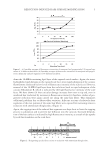
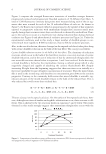
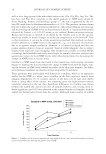
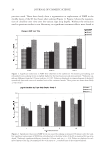
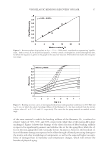
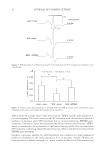
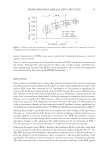
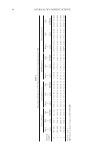
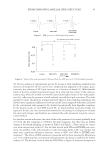
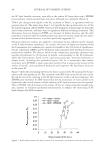
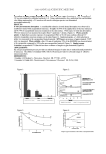
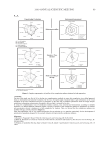
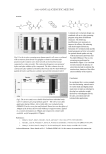
REGENERATION OF NMF 25 sites. Biophysical measurements were made again at 0.25, 0.5, and 4 hours following treatment. TREATMENT These studies compared an untreated control arm to a treated arm that was soaked in warm water. One forearm was soaked in fresh water (temperature 40° ± 2°C) for ten min- utes and blotted dry. The other, unsoaked arm served as control. Biophysical measure- ments were repeated on all test sites 15 minutes, 30 minutes, and four hours after soaking. BIOPHYSICAL INSTRUMENTATION The rates of moisture accumulation (MAT) and water sorption/desorption were measured with a NOVA® Dermal Phase Meter (NOVA® Technology, Portsmouth, NH). The MAT uses changes in skin capacitive reactance (the ratio of charge to potential on an electrically charged isolated conductor) under occlusion by the probe to determine the extent of skin hydration (16). Transepidermal water accumulates under the sensor for twenty seconds and the value is calculated as the slope of the regression line (DPM). The MAT method provides a dynamic measure of SC water handling, as previously reported (17). Skin surface pH was measured using a Courage and Khazaka skin pH meter with a fl at-surface glass electrode. NMF MEASUREMENTS NMF measurement studies followed the NMF collection and analysis protocols set forth in the preceding paper. STATISTICS The biophysical measurements were compared at baseline (prior to treatment), 0.5 hr post-soak and 4 hr post-soak using univariate GLM procedures in SPSS (SPSS, Inc), with time and subject included in the model. The NMF data were normalized (log10) prior to analysis and then compared using univariate GLM measures. The statistical design for the NMF data included tape strip number, treatment, treatment * tape (interaction) and treatment * subject (interaction). A value of ≤ 0.05 was considered statistically signifi - cant in all cases. RESULTS AND DISCUSSION For both studies, at tape 5 and for the sums of tapes 1, 3, and 5, as well as for the sums of tapes 1, 3, 5, and 10, the values at thirty minutes post-soak were signifi cantly lower than both the control and four-hour post soak values for nearly every amino acid, as well as for the summed amino acids (Figure 1). Similar results were seen in Study 2 for tape 3 as for well. These studies show more signifi cant differences between the soaked and control sites than found in our previous study, although directional differences were found in our
Purchased for the exclusive use of nofirst nolast (unknown)
From: SCC Media Library & Resource Center (library.scconline.org)