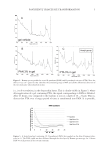
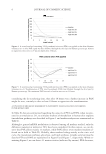
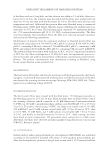
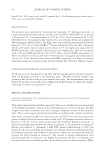
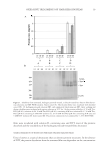
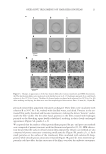
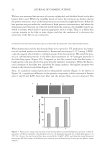
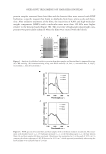
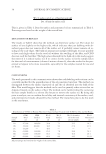
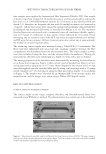
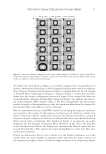
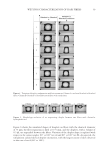
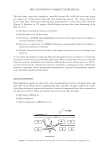
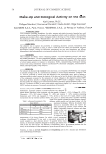
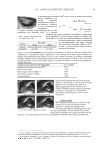
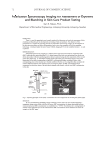
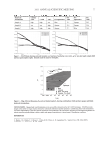
JOURNAL OF COSMETIC SCIENCE 22 We have not measured the amounts of cysteine sulphydryl and disulfi de bonds in the hair keratin fi lms used. While the disulfi de bonds of native hair proteins are broken during the protein extraction, most of the hair proteins are recovered as sulphydryl forms. When the hair proteins are put under the conditions of high protein concentrations, and when the denaturant and reductant are removed slowly from the solution, the disulfi de bond is al- lowed to reform, which leads to protein aggregates such as a fi lm. Thus, it is likely that cysteine remains in the fi lm to some degree and that the oxidation of it decreases the sensitivity of the fi lm to urea extraction. OXIDATION OF PROTEIN MEASURED BY FLUORESCENT MICROSCOPY AND IMMUNOBLOTTING When human hair and the hair keratin fi lms were exposed to UV irradiation, the forma- tion of oxidized protein was detected by a fl uorescent microscopy (13,15) using 5-FTSC, a specifi c reagent which binds to carbonyl groups of the hair proteins. We noted the pres- ence of carbonylated proteins in the fi lms after treatments of 1% hydrogen peroxide or the bleaching agent (Figure 4A). Compared to the fi lm treated with distilled water, a bright green color was observed in areas after the oxidative treatments. When the fl uores- cence intensity of the fi lms was calculated by image analysis, the highest intensity was found in the bleach-treated fi lm (Figure 4B). Next, we examined oxidized proteins by immunoblot analysis (Figure 5). As shown in Figure 5A, a signifi cant difference in the protein component, which consisted of keratin types I and II and KAPs from hair fi ber and the keratin fi lms, was not observed. The Figure 4. Fluorescence image and intensity of hair keratin fi lms treated with hydrogen peroxide or bleach- ing agent. (A) After treatment with distilled water (a), 1% hydrogen peroxide (b), or bleaching agent (c) at 25°C for 10 min, the hair keratin fi lms were reacted with 20 μM 5-FTSC and observed using fl uorescent microscopy. (B) The average of the fl uorescence intensity was calculated from 40 areas per one fi lm by image analysis.

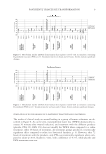
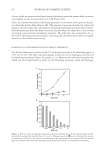
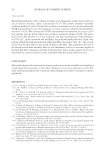
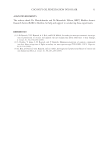
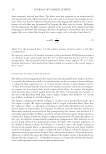
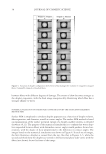
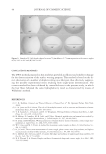
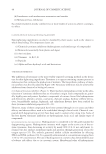
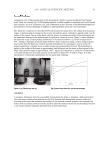
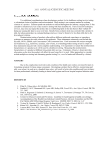
OXIDATIVE TREATMENTS OF HAIR KERATIN FILMS 23 Figure 5. Analysis of solubilized oxidative proteins from hair samples and keratin fi lms by immunoblotting. (A) CBB staining. (B) Immunostaining using anti-DNP antibody. (h, hair a, untreated fi lm b, H2O2- treated fi lm c, bleach-treated fi lm.) Figure 6. FT-IR spectra of keratin fi lms and hair samples with or without oxidative treatments After treat- ment with distilled water (—), 1% hydrogen peroxide (----), or the bleaching agent (—), the hair keratin fi lms (A) and hair samples (B) were recovered. Absorbance was normalized as 1 at the peak of 1076 cm-1 to compare the relative amounts of -SO3H observed at 1041 cm-1, which appeared prominently when using the keratin fi lms as an oxidized form of cysteine. protein samples extracted from hair fi ber and the keratin fi lms were reacted with DNP hydrazine, a specifi c reagent that binds to aldehydes from basic amino acids and threo- nine. After oxidative treatments of the fi lms, the reactivities of KAPs and high-molecular- weight components (HMPs) with a molecular mass more than 100 kDa were higher relative to the keratin bands (Figure 5B). The reactivity of high-molecular-weight com- ponents was particularly enhanced when the fi lms were treated with the bleach.
Purchased for the exclusive use of nofirst nolast (unknown)
From: SCC Media Library & Resource Center (library.scconline.org)