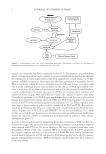
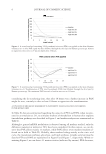
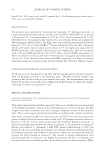
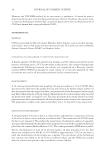
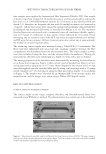
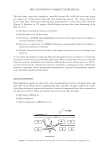
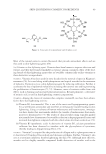
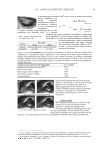
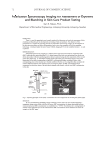
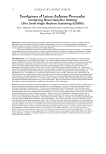
JOURNAL OF COSMETIC SCIENCE 44 PIGMENTATION IN SKIN The color of our skin is due to the polymeric, amorphous, non-proteinaceous pigment called melanin. Melanin is produced in the skin through a biochemical process called melanogenesis. Dermal melanin is produced by melanocytes, which are found in the stra- tum basale of the epidermis. The pathway of melanogenesis as elucidated by Raper (18) and Mason (19) is shown below (Figure 1). The difference in skin color between fair people and dark people is due not to the number (quantity) of melanocytes in their skin, but to the melanocytes’ level of activity (quantity and relative amounts of eumelanin and pheomelanin). In skin that exhibits a dark color the melanosomes are well distributed in the keratinocytes, which absorb radiation (11). Pigmentation in skin is determined by various physiological processes occurring at different stages (12): (a) Development of melanocytes (b) Density of melanocytes (c) Expression of the enzymatic and structural constituents of melanosomes (d) Synthesis of melanin (e) Transport of melanosomes to dendrites (f) Transfer of melanosomes to keratinocytes (g) Distribution of melanin in the supra basal layers of the skin Figure 1. Raper-Mason pathway of melanogenesis.

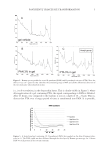
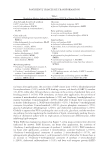
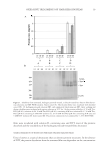
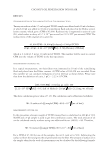
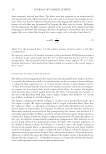
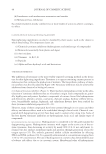
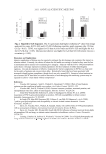
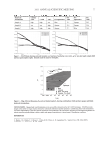
SKIN-LIGHTENING COSMETIC INGREDIENTS 45 The fi rst three stages are completely controlled genetically, while the next four stages are targets for manipulation through skin-lightening agents. The most important factor other than inheritance affecting skin pigmentation is ultraviolet (UV) radiation (Figure 2). Exposure to UV triggers the following reactions that cause darkening of the skin (13–15): (a) Oxidation and polymerization of melanin (b) Redistribution of melanosomes (c) Activation of MITF (microphthalmia-associated transcription factor) leading to increased melanin content (d) Increase in expression of α-MSH (melanocyte-stimulating harmone) leading to enhanced melanocyte responses (e) Transfer of melanin from the lower to the upper epidermis to prevent damage from radiation A very effective method of reducing UV-induced pigmentation would be to incorporate sunscreens in the vehicle used for skin lightening. Physical sunscreens like zinc oxide and titanium oxide are available to suit delivery vehicles like creams, lotions, gels, etc. Chem- ical sunscreens may be chosen from a variety of synthetic compounds such as ethyl hexyl methoxy cinnamate, butyl methoxydibenzoylmethane, phenyl benzimidazole sulfonic acid, and other substituted salicylates. SKIN LIGHTENING Skin-lightening agents are those that cause depigmenting activity on human skin, and they have been widely used in dermatology and cosmetics. A huge number of actives (both from biological sources and synthetic chemical compounds) have been reported in the literature (16,17). Their mechanism of action is generally through: (a) Tyrosinase inhibition (b) Mitf inhibition (c) Down regulation of MC1R activity Figure 2. Schematic representation of the effect of UV rays on skin leading to pigmentation.
Purchased for the exclusive use of nofirst nolast (unknown)
From: SCC Media Library & Resource Center (library.scconline.org)