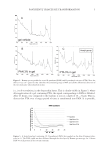
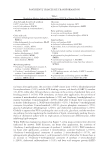
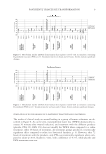
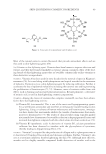
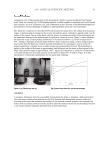
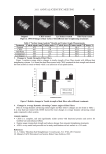
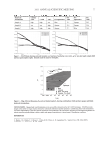
JOURNAL OF COSMETIC SCIENCE 48 (ii) Botanical extracts. Extracts mostly contain a combination of two or more classes of com- pounds that work synergistically to achieve skin lightening. Botanicals connote nature and are hence more acceptable to people. Further, a large number of yet undiscovered plants are available to provide for exotic products and claims for cosmetics. However, it should also be observed that natural extracts may be highly unstable and may not be compatible within formulations. A large number of ingredients (Table I) have been studied for tyrosinase inhi- bition and have been processed to make them viable for use in cosmetic products. These are available commercially through suppliers for use as skin-lightening agents. (iii) Antioxidants as skin-lightening agents. Antioxidants serve to reduce oxidation of tyrosine to DOPA quinone and therefore are shown to have skin-lightening activity (64). In addition, they act in the melanogenesis pathway, reducing the synthesis of melanin. Exposure to UV radiation results in the generation of free radicals. It has been identifi ed that ROS (reactive oxygen species) are able to oxidize tyrosinase and DOPA to melanin, and this is one of the major causes for tanning (65). Although antioxidants are present in tissues, they may not be able to reduce the radicals, depending on the extent of UV expo- sure. Infl ammation is a source of free radicals. Hence the quenching of free radicals would also help in reducing the synthesis of melanin, thereby contributing to skin depigmenta- tion effects (66). The use of phytic acid, glutathione (Figure 4), and ubiquinone as popu- lar skin-lightening agents is due to their strong antioxidant nature (67–68). Melanin synthesis in melanocytes is accompanied by the generation of hydrogen peroxide that can lead to the formation of ROS that further increase the proliferation of melanocytes. Table I Botanicals That are Mostly Used in Skin-Lightening Cosmetics S. No. Extract Type Reference 1 Morus alba extract 2-Oxyresveratrol 44 2 Aloe barbadensis leaf extract Aloesin 45 3 Crocus sativus extract Kaempferol 46 4 Uva ursi Arbutin 47 5 Licorice extract Glabridin 48 6 Camelia sinesis extract ECG 49 7 Phylanthus embelica extract Vitamin C 50 8 Citrus limonum extract Hisperidin 51 9 Punica granatum extract Ellagitannins 52 10 Vitis vinifera (grape) fruit extract Procyanidins 53 11 Anise extract Anisic acid 54 12 Cumin seed extract Cumic acid 55 13 Cinnamonum cassia extract Trans-cinnamaldehyde 56 14 Artocarpus lakoocha heartwood extract 2-Oxyresveratrol 57 15 Purus comunis (pear) extract Arbutin 58 16 Geranium extract Ellagic acid 59 17 Ramulus mori extract 2-Oxyresveratrol 60 18 Ginseng extract p-Coumaric acid 61 19 Malpighia punicifolia (Acerola) fruit extract Polyphenols 62 20 Mushroom (Agaricus blazei Muril) extract Tri-terpenoids 63

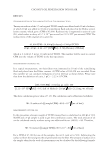
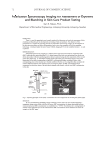
SKIN-LIGHTENING COSMETIC INGREDIENTS 49 Most of the natural extracts contain fl avanoids that provide antioxidant effects and are thus used as skin-lightening agents (69). (iv) Vitamins as skin-lightening agents. Vitamins have been known to improve skin tone and texture, and they have found remarkable acceptance among consumers. Most of the lead- ing brands of skin-lightening agents that are available commercially utilize vitamins or their derivatives as ingredients. VITAMIN A. Vitamin A has been used for some decades for the removal of spots in Kligman’s treatment (70). It is used along with hydroquinone and topical steroids for the treatment of melasma. Tretinoin acts as a skin-lightening agent by inducing exfoliation. Further, it accelerates the loss of epidermal melanin by increasing the turnover rate and by promoting the proliferation of keratinocytes (71,72). However, users of tretinoin suffer from side effects such as burning and increased photosensitization. Retinyl palmitate, a derivative of retinoic acid, is used in skin-lightening cosmetic preparations. VITAMIN B. Among the classes of vitamins that comprise vitamin B, two have been identi- fi ed to have skin-lightening activity: (a) Vitamin B3 (niacinamide): This is one of the most used hypopigmenting agents. It is a well known antioxidant and interferes in melanasome transfer leading to skin lightening. Using co-cultures of human melanocytes and keratinocytes, investiga- tors have shown that niacinamide inhibits the transfer of melanosomes from mela- nocytes to keratinocytes (73). The results of clinical studies using topically applied niacin amide have demonstrated a reversible reduction in hyperpigmented lesions and increased skin lightness compared with the vehicle alone after four weeks of use (74). (b) Vitamin B5 (panthenoic acid): A derivative of vitamin B5, calcium pantetheine sulfonate has been observed to interfere with the glycosylation of tyrosinase, thereby leading to depigmenting effects (75). VITAMIN C. Vitamin C is required for the production of collagen and is a photoprotectant as it deactivates UV-induced free radicals and decreases erythema. Further, Vitamin C also acts as a tyrosinase inhibitor, thereby lightening the skin (76). Although most effective, ascorbic acid is a highly unstable compound. Stable derivatives of ascorbic acid in the Figure 4. Structures of (a) glutathione and (b) phytic acid.
Purchased for the exclusive use of nofirst nolast (unknown)
From: SCC Media Library & Resource Center (library.scconline.org)