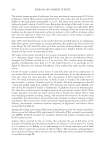
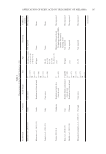
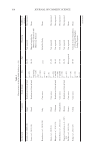
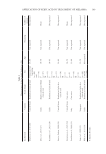
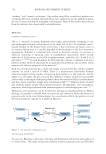
102 JOURNAL OF COSMETIC SCIENCE by this dysfunction. In addition, it significantly impacts the quality of life, resulting in psychological problems including depression and low self-esteem (2,3). Histologically, melasma is characterized by an increase in melanin in the epidermis and dermis. Unfortunately, melasma’s clinical course is sometimes lengthy, resistant to treatment, and typically recurs once treatment is stopped or with increasing sun exposure (3). Current treatments include topical and systemic agents, chemical peels, laser, and light- based therapies. The goals of the treatment should be to improve existing lesions and avoid recurrences. Topical therapies include ultraviolet (UV) backlight protection, depigmenting agents, retinoids, corticosteroids, tranexamic acid (TXA), and combinations of these. Depigmenting or keratolytic topical medications include hydroquinone (HQ), tretinoin, azelaic acid, kojic acid (KA), niacinamide, and TXA, among a wide range of others. Glycolic acid (GA), salicylic acid (SA), and trichloroacetic acid (TCA) are three commonly utilized chemical peels. Intense pulsed light, Q-Switched ND YAG Laser (ADSS, Beijing, China), and fractional laser are a few examples of laser/light-based therapies. TXA and natural supplements are recent systemic medications. Melasma can be improved by combination therapy, which typically yields superior results (2,4). Among the depigmenting substances commonly used in the topical treatment of melasma is KA, which may be applied alone or in combination with other substances or therapies. Also known as 5-hydroxy-2-hydroxymethyl-4-pyrone (International Union of Pure and Applied Chemistry, IUPAC), KA is a naturally occurring chemical produced when fungi such as Aspergillus and Penicillium ferment carbohydrates. Its function is to lighten the skin by inhibiting the tyrosinase enzyme, which is responsible for melanin production. Tyrosinase contains copper ions that regulate melanin synthesis by a two-step reaction. In the first stage, tyrosinase catalyzes tyrosine hydroxylation in L-3,4-dihydroxyphenylalanine (L-DOPA) and oxidation of DOPA in dopaquinone. In the second stage, dopaquinone converts into melanin. So, when tyrosinase is inhibited, melanin production is blocked, which leads to a decrease in pigment formation (5). Due to its mechanism of action, KA has wide application in the cosmetic industry. With the growth of this industry, its supply and demand are increasing considerably, and clinical studies are essential for designing and developing new products based on KA (6,7). However, there needs to be more literature regarding the use of KA as a depigmenting agent in treating melasma. Publications of systematic and scoping reviews or other methodologies that gather primary studies on this asset were not found to evaluate the safety and efficacy alone or in association with other therapies. This systematic scoping review aims to map the clinical application of KA in treating melasma by mapping the literature that is currently available. These publications provide a descriptive view of the pharmaceutical forms of KA as well as delivery, concentration, treatment duration, frequency of application, and associations. In addition, these publications summarize the evidence found on efficacy and safety, if available, regarding reducing the severity of melasma spots, improving the quality of life of carriers, and adverse effects reported. METHODS STUDY DESIGN This scoping review was carried out following the guidelines of the Joanna Briggs Institute to map, describe, and categorize the available information on the clinical use of KA in the treatment of melasma (8).

103 Application of Kojic Acid in Treatment of Melasma The selection steps of the studies included in this review were performed according to the PRISMA Extension for Scoping Reviews (PRISMA-ScR): Checklist and Explanation (9). A previously developed protocol was made available under open access in the Open Science Framework repository (DOI 10.17605/OSF. IO/P7G6R https://osf.io/f5dhk ),as well as complete data from the included studies. INVOLVEMENT OF STAKEHOLDERS This scoping review had the direct participation of a pharmaceutical aesthete (J.B.S.) and three specialists in cosmetology (V.E.B.C., E.P.S., Z.M.F.F.) in the refinement of the protocol and screening of the studies. RESEARCH QUESTION This scoping review was guided by the following question: How is the clinical application of KA in the treatment of melasma performed? To describe the pharmaceutical forms of delivery of KA, concentration, treatment duration time, frequency of application and associations, reduction of the severity of melasma spots, improvement of the quality of life of carriers, and adverse effects were reported. The research question followed the acronym Population, Concept, and Context (PCC): Population: Studies involving participants of both sexes, of any age, and with melasma who received melasma treatment through topical application of KA alone or in association with other actives or therapies. Studies involving participants with other pigmentation disorders were excluded. Concept: This scoping review was based on the following main concepts: KA and melasma: • KA, whose IUPAC name is 5-hydroxy-2-hydroxymethyl-4-pyrone, which is a substance of natural origin that is obtained from the fermentation of carbohydrates by fungi such as Aspergillus and Penicillium. Its function is to lighten the skin by being able to inhibit the enzyme tyrosinase, which is responsible for melanin production (5). • Melasma, which is a dysfunction of the pigmentary system known as acquired and chronic symmetrical cutaneous hyper melanosis. It is characterized by macules or irregular spots of light brown to dark brown coloration in skin areas exposed to the sun. It is distributed symmetrically on areas of the face, such as the forehead, lips, cheeks, and chin. It may affect other body areas more rarely, such as the neck and chest (1). Context: This review has no restrictions regarding the year of publication of the studies, country of origin, or place where these treatments were investigated. The complete strategy for each database is described in Complementary File 1 (https:// osf.io/54nkw ).This was elaborated using the following terms: Medical Subject Headings (MeSH), Health Descriptors (DeCS), alternative terms, and keywords: • MeSH: KA, Melanose, Adverse Effects • DeCS: Portuguese (Melanose, efeitos colaterais e reações adversas relacionadas a medicamentos) and English (Melanosis, Drug-Related Side Effects, and Adverse Reactions) • Alternative terms for DeCS: Chloasma, Melasma, Adverse Effects, Adverse Event, Adverse Events • Keywords: KA, Melasma, Adverse Effects.
Purchased for the exclusive use of nofirst nolast (unknown)
From: SCC Media Library & Resource Center (library.scconline.org)