104 JOURNAL OF COSMETIC SCIENCE ELECTRONIC DATABASE FOR STUDY IDENTIFICATION The following databases were consulted: MEDLINE (PubMed), Embase, VHL, Scopus, Cochrane Library, and Web of Science, without restricting year and language, through December 2022. OTHER RESEARCH RESOURCES FOR IDENTIFYING STUDIES The search strategy has been adapted to grey literature, including Google Scholar, Open Gray, the ISRCTN registry, ClinicalTrials, the Australian New Zealand Clinical Trials Registry, the International Clinical Trials Registry Platform operated by the World Health Organization, the EU Clinical Trials Register, the American Academy of Dermatology, the British Association of Dermatologists, the Annual Meeting of European Academy of Dermatology and Venereology, and the Annual Scientific Meeting of the Australasian College of Dermatologists. Manual searches were also performed in the references of the included studies to find as much material as possible for this review. ELIGIBILITY CRITERIA The clinical application of KA either alone or in combination with the treatment of melasma in both primary and secondary studies. EXCLUSION CRITERIA Studies that included participants with pigmentation disorders other than melasma or who did not use KA as one of the therapies were excluded. In addition, in vivo and in vitro studies, literature reviews, and charts were excluded. ELIGIBILITY DETERMINATION References were managed and selected by Rayyan software (10), where duplicates were automatically removed. Two reviewers (R.V.B. and J.B.S.) independently evaluated the titles and abstracts to verify whether they met the eligibility criteria. Subsequently, a complete reading of the article was performed by the same reviewers, also independently, to confirm eligibility within the guidelines described above. Discrepancies were resolved by consensus by a third reviewer when necessary. Notably, the reviewers underwent a calibration process before determining eligibility. DATA EXTRACTION The data from the included studies were extracted independently by two reviewers (R.V.B. and J.B.S.). The information was organized in Microsoft Excel. The same reviewers performed the extraction of data independently. The discrepancies were resolved through

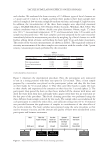
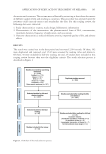
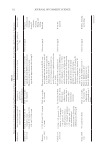
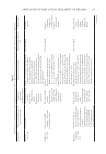
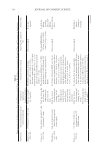
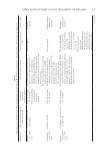
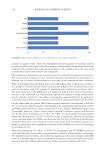
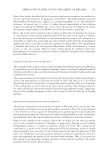
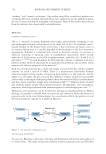
105 Application of Kojic Acid in Treatment of Melasma discussion and consensus. The reviews were calibrated by extracting at least three documents of different quality levels and reaching a consensus. This procedure was repeated until the reviewers could correctly extract and standardize the data. For this scoping review, the following data were extracted: 1. Study characteristics: country, study design, bibliometric information 2. Characteristics of the intervention: the pharmaceutical form of KA, concentration, treatment duration, frequency of application, and associations 3. Outcome characteristics: reduced melasma severity, improved quality of life, and adverse effects RESULTS The search was carried out in the data period and recovered 2,104 records. Of these, 562 were duplicated and removed, and 1,542 were screened by reading titles and abstracts. Of these, 50 were included for full-text reading. In total, 24 studies were included in this scoping review because they met the eligibility criteria. The study selection process is described in Figure 1: Figure I. Flowchart of the study selection process.
Purchased for the exclusive use of nofirst nolast (unknown)
From: SCC Media Library & Resource Center (library.scconline.org)