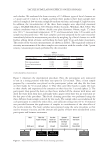
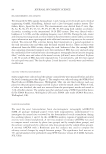
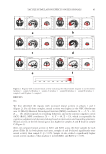
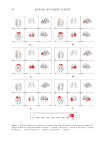
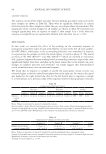
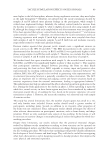
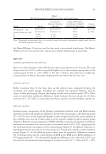
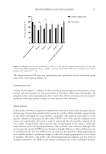
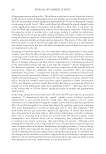
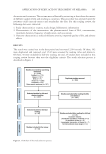
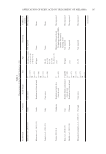
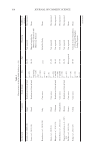
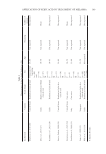
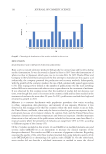
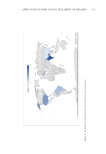
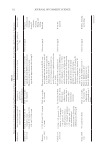
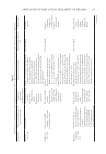
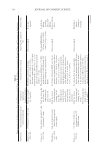
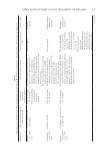
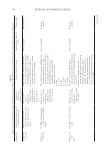
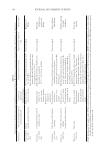
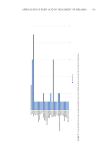
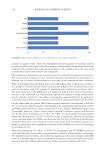
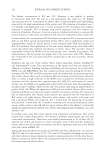
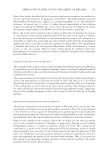
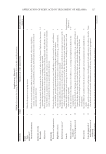
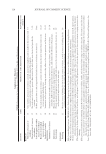
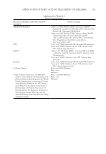
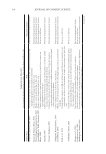
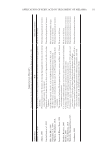
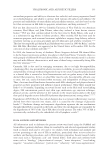
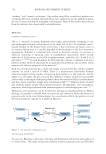
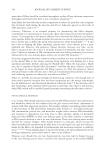
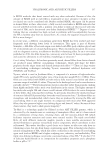
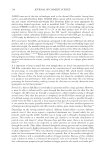
106 JOURNAL OF COSMETIC SCIENCE The studies showed patients of both sexes, but most were female, representing 69.3% of the population studied. Male patients represented 8.5%, and studies that did not specify the gender of the participants corresponded to 22.2%. The mean total age was 40 years old, with participants between 15 and 80 years. Regarding the design of the study, 10 were case reports and 14 were randomized clinical trials of the latter, 3 studies were split-sided. Most of the studies included did not report or did not have funding. Only four studies declared funding, two by research institutions and two by industry. As for conflicts of interest, either they were not reported or there were none. The characteristics of the studies included in this review are described in Table I. Since 1996, there have been one to two studies that have used KA alone or in combination with other agents or procedures in treating melasma this number has been steady over time. Except for 2013 and 2021, there were three and four studies published, respectively. In 2022, no study was recovered through this scoping review. Graph 1 displays the studies included in this review in chronological order. The origin of the studies included in this review corresponds to several countries, with an n =1 (Singapore, Egypt, France, Bangladesh, China, Iran, Mexico, and Indonesia). Brazil, Portugal, and Pakistan verified an n =2 for each one. The countries with the highest number of publications were Italy (n =3), the United States (n =3), and India (n =5). Figure II illustrates the regional distribution of the studies that made up this scoping review. Of the 24 studies included in this review, 4 used KA alone and 18 in combination. In two studies, KA was used in the isolated and associated forms. As for the pharmaceutical form, the cream was more described. The concentration of KA ranged from 0.75% to 10%. The mean treatment duration was 12 weeks, except in 4 studies, the study duration was 6 months, 2 months, 18 weeks, and 8 to 36 weeks. All of the investigations detailed a daily and nightly application schedule. The melasma area severity index (MASI) score was used in the majority of studies to demonstrate a significant decrease in melasma spots. Yet, only three studies reported an improvement in the participants’ quality of life. Of the studies included, seven did not report adverse effects. Among the adverse effects, mild ones including erythema, burning, itching, and irritation were observed. In studies using isolated KA, the adverse effects reported were only erythema or redness, burning, itching, and dryness. The characteristics of the intervention regarding pharmaceutical forms of KA delivery, concentration, treatment duration, frequency of application, and adverse effects are described in Table II. Among the leading associations of KA in the formulations used by the studies included in this review are AG, Arbutin, HQ, and vitamin C, followed by TXA, vitamin E, niacinamide, and HEPES. Graph II describes the correlation between the number of publications and the KA-related actives. Adverse effects reported by the six studies that evaluated the use of KA alone in the treatment of melasma were described as erythema or redness (n=2), burning (n=1), itching (n=1), dryness (n=1), flaking (n=1), and burning (n=2). At the same time, two of these studies did not report the occurrence of adverse effects. The percentage corresponding to the occurrence of adverse effects related to the use of KA alone in the treatment of melasma is described in Graph III.

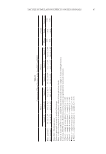
Table I Characteristics of the Included Studies (=24) Author/year Country Study design Sex Age Financing Conflicts of interest Sardesai et al.2013 ,(11) India Case series F (=127) M (=33) 21–40 (=132) 20 (=140 40 (=14) Not reported Not reported Monteiro et al.2013 ,(12) India Randomized clinical trial F (=49) M (=11) All ages None None Cameli et al.2014 ,(13) Italy Case series F (=50) 28–40 (=22) 41–50 (=25) 51–62 (=3) None None Yenny, 2018 (14) Indonesia Randomized split-face clinical trial F (=45) 18 Ministry of Research and Technology through DIPA Andalas University funding 2016 Not reported Iraji et al.2014 ,(15) Iran Double-blind randomized clinical trial F and M (=40) All ages Not reported Not reported Sheikh et al.2021 ,(16) Pakistan Randomized clinical trial F (=27) M (=13) 18 Not reported Not reported Mesquita-Guimarães et al.2005 ,(17) Portugal Case series F (=17) M (=2) 23–50 Not reported Not reported ()107 Application of Kojic Acid in Treatment of Melasma
Purchased for the exclusive use of nofirst nolast (unknown)
From: SCC Media Library & Resource Center (library.scconline.org)