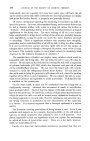
212 JOURNAL OF THE SOCIETY OF COSMETIC CHEMISTS germicides, while they boost the activity of others. Although the finding that nonionics depress the action of germicides has only come to light in recent years, experience of the inactivation of germicides, of proteias and soap solutions probably has some bearing on the phenomenon. Although soaps adversely affect some preservatives, their presence in toilet preparations did not create a problem in the past for the very good reason that soaps did not provide a suitable environment for the growth of micro-organisms. For this reason the task of the preservatives included in soap-based formulae was far easier than it will be when nonionic emulsifiers are used instead. EXPERIMENTAL Several classes of nonionic, both surface-active and non-surface-active, have been studied at concentrations ranging from between 2 and 6 per cent, as these levels are frequently used in toilet preparations. The preservatives or germicides were initially tested at the concentrations at which they have been used in the past, that is, between 0.1 and 0.5 per cent, depending on the type. Plan of the Experiments The experiments were designed to provide information on: (i) the virulence of the test culture (ii) the activity of the preservative against each micro-organism (iii) the effect of the nonionic on each micro-organism (iv) the activity of the preservative against each micro-organism when a nonionic or mixture of nonionics was also present. For tests involving bacteria, nutrient broth or nutrient agar were used as the medium. The test media were inoculated with six dilutions of each bacterial culture to ascertain the greatest number of bacteria against which each concentration of preservative was effective. When fungi were involved, the medium was potato dextrose agar. Organisms used in the Experiments (a) Bacteria Representative Gram-positive and Gram-negative bacteria were used, and organisms which were thought to be most likely to contaminate toilet preparations in general were selected. The Gram-positive bacteria were: Staphylococcus albus S tr ep tococcus .bovi s Bacillus subtills. The Gram-negative organisms were: Bacillus coli Proteus vulgaris Pseudomonas fluorescens

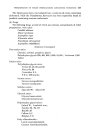
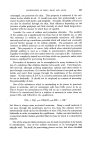
PRESERVATION OF TOILET PREPARATIONS coNTAINING NONIONICS 9,13 The Streptococcus bovis was isolated from a water-in-oil cream containing cholesterol, while the Pseudomonas fluorescens has been repeatedly found in products containing nonionic surfactants. (b) Fungi The following fungi, several of which are common contaminants of toilet preparations, were used: Candida albicans Mucor racemosus Aspergillus niger Alternaria solani Penicillium chrysogenum Aspergillus amsteledami. Nonionics Investigated Non-surface-active Glycerin, sorbitol, propylene glycol Polyethylene glycols 200, 400, 600, 2,000, 10,000 Carbowax 1,500 Tallow Surface-active Polyethylene glycol esters: Tween 20, 40, 60 and 80 Nonex 64, 00 Cremophor E.L. P.E.G. 400 laurate. Sucrose esters: Sucrose monopalmitate Sucrose monolaurate. Sorbitan esters: Span 20, 60 Arlacel 83. Glycerol esters: Glyceryl mono-oleate Glyceryl monostearate. Polyethylene glycol ethers: Lubrol W Lanbritol wax Texofor D1, F4, B1 Brij 30, 35 Collone A.C. Ethylan T.U. Fatty alkanolamides: Lauric isopropanolamide Coconut monoethanolamide.
Purchased for the exclusive use of nofirst nolast (unknown)
From: SCC Media Library & Resource Center (library.scconline.org)