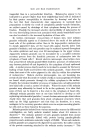
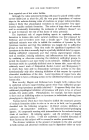
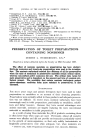
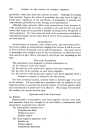
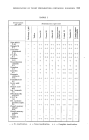
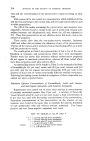
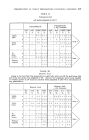
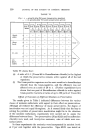
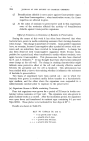
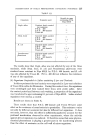
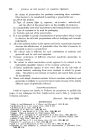
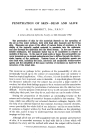
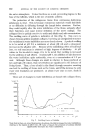
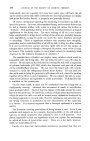
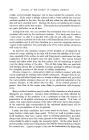
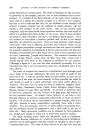
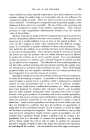
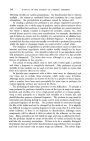
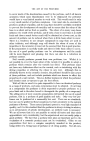
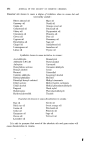
PRESERVATION OF TOILET PREPARATIONS CONTAINING NONIONICS 219 TABLE IV SORBIC ACID As in the case of benzoic acid the pH of all test media was adjusted to pH $.$. Sorbic Acid Sorbi½ Acid + 6% Nonionic 0.2 0.15 0.1 0.05 0.2 0-15 0-1 0.05 % % % % % % % % staph. a -- -- +++ +++ -- + +++ +++ albus b -- -- +++ q-++ -- -- +++ +q-q- Strep. a -- -- ++ +++ -- ++ ++ +++ bovis , . b -- -- + +++ -- ++ ++ Ps. a -- -- +++ +++ -- ++ ++ +++ escens b -- -- +++ +++ -- + ++ +++ -- . . Proteus a -- -- -- + + -- -- + + + + vulgaris -- b -- -- -- q-q- -- -- q- q-q-q- Gram + These tables show that all these preservatives which remained active during the tests reported in Table I, that is, where the ratio of nonionic surfactant to preservative was lower, are in fact inactivated to some extent at higher ratios. The bacteriostatic titre for each preservative naturally varies for each test organism, but it is interesting to note that this titre is invariably lower when 6 per cent of mixed nonionic is added to the test medium containing preservative. This effect is particularly noticeable in the case of the organic mercurial compounds. Effect of Ratio of Nonionic to Preservative Some preservatives are effective at certain concentrations, but when nonionic surfactants are present, their effective concentrations are higher. This suggests the existence of a critical ratio of preservative to nonionic. The effect of altering the ratio of various nonionic surfactants to several preservatives has been studied and Table VI shows that there is a critical ratio at which the preservative becomes ineffective. As an example the results of an experiment with Tween 80 and Benz- alkonium chloride are given. Tween 80 and Benzalkonium Chloride 0.1 per cent of Benzalkonium chloride was used throughout and the amount of Tween 80 was varied.

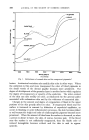
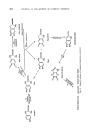
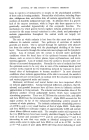
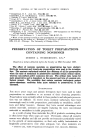
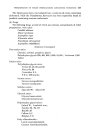
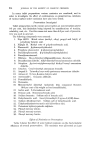
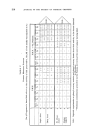
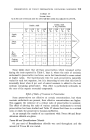
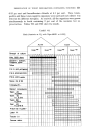
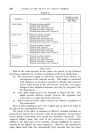
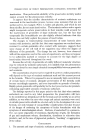
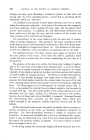
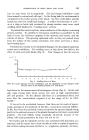
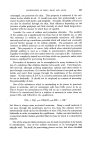
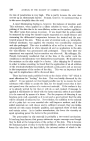
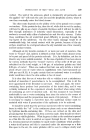
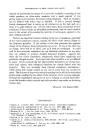
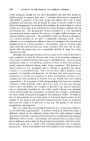
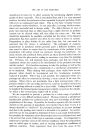
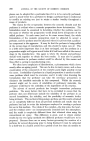
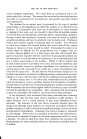
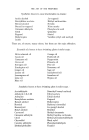
220 JOUR•NAL OF THE SOCIETY OF COSInETIC CHEMISTS TABLE VI /fey: -]- ---- growth after 24 hours (preservative inactive) -- no growth after 72 hours (preservative active) 0-1% 0.1% 0.1% 0.1% 0.1% 0.1% 0.1% 0.1% B.A.C. B.A.C. B.A.C. B.A.C. B.A.C. B.A.C. B.A.C. B.A.C. alone + + + + + + + 0-1% 0'2% 0.5% 0'75% 1-0% 1.5% 2.0% Tw. 80 Tw. 80 Tw. 80 Tw. 80 Tw. 80 Tw. 80 Tw. 80 __ Staph. a ........ albus __ __ Strep. a ........ boris _ -- B. coli a .... + + + + b ..... + + + -- Ps. a .... + + + + •o•'- escens b .... + + + + Gram / // // / Table VI shows that' A ratio of 5: 1 (Tween 80 to Benzalkonium chloride) is the highest at which the preservative remains active against all of the test organisms. The Gram-positive organisms are far more sensitive to benzalkonium chloride than the Gram-negatives, and the efficiency was not affected even at a ratio of 20 to 1. (Further experiments have shown that one part of Benzalkonium chloride is active against Gram-positive bacteria at ratios of up to 100 parts of Tween 80.) Effects of Nonionics of Different Structure on Preservatives The results given in Table I indicated differences between the various classes of nonionic surfactants with regard to their effect on preservatives. Although all reduced the efficiency of many preservatives, the degree of inactivation was not equal throughout. As it seemed likely that the key to solving the problem of preservative inactivation might lie in the structure of the nonionic surfactants, experiments were carried out to assess the differences between them. Two preservatives (Nipa 82121 and benzalkonium chloride) were used, and twenty-two nonionics, nine of which were non- surface-active. In these experiments the nonionics were incorporated in nutrient broth at 2 per cent together with the preservative. Nipa 82121 w. as tested at
Purchased for the exclusive use of nofirst nolast (unknown)
From: SCC Media Library & Resource Center (library.scconline.org)