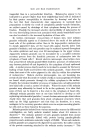
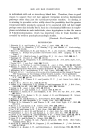
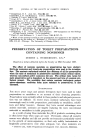
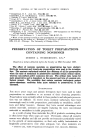
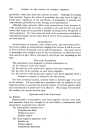
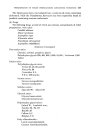
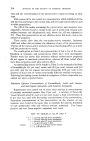
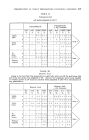
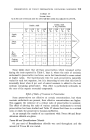
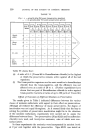
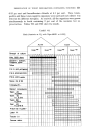
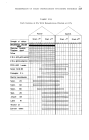
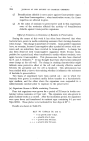
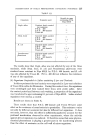
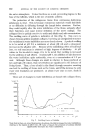
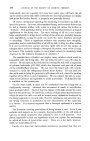
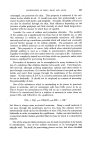
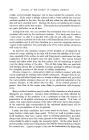
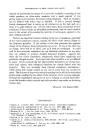
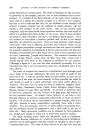
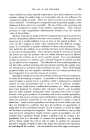
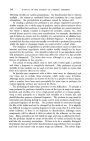
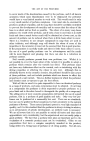
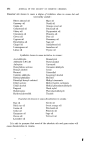
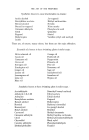
PRESERVATION OF TOILET PREPARATIONS CONTAINING NONIONICS 225 TABLE IX Growth in agar Organism Nonionic used containing 0.1% Nipa 82121 -- Staph. albus I Nutrient broth control -- (no nonionic) P.E.G. 400 -- P.E.G. 400 laurate -- Tween 80 -- Strep. boris Nutrient broth control -- P.E.G. 400 -- P.E.G. 400 laurate q- q- Tween 80 -- __ B. coli Nutrient broth control -- P.E.G. 400 -- P.E.G. 400 laurate q- q-q- Tween 80 + + Pseudo.•onas Nutrient broth control -- fluorescens P.E.G. 400 -- P.E.G. 400 laurate q- q- Tween 80 -- The results show that Staph. albus was not affected by any of the three nonionics, while Strep. bovis, B. coli and Pseudomonas fluorescens were rendered more resistant to Nipa 82121 by P.E.G. 400 laurate, and B. coli was also affected by Tween 80. P.E.G. 400 did not influence the resistance of any of the organisms. (b) Organisms Suspended in Saline containing 2 per cent Nonionic In this experiment the test bacteria were suspended in 2 per cent solutions of Tween 80 in saline for 20 minutes. During this contact time, the organisms were centrifuged and then washed three times with sterile saline. After the contact period and between each washing, a proportion of the organisms was transferred to agar containing 0.1 per cent of Nipa 82121. Saline-washed organisms were used as a control. Results are shown in Table X. These results show that P.E.G. 400 laurate and Tween 80 have some effect on the resistance of some bacteria to germicides. This resistance varies not only for different nonionics but also for different test organisms. It does not seem, however, that this effect is sufficiently marked to account for the profound inactivation observed in other experiments, where the activity against all test organisms was reduced. It therefore seems that some physico- chemical phenomenon is playing a greater part in the inactivating process than the effect of nonionics on the cell wall of micro-organisms.

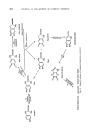
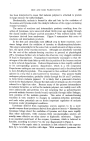
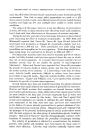
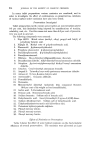
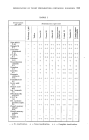
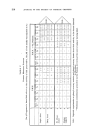
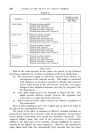
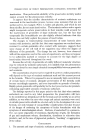
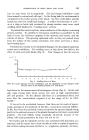
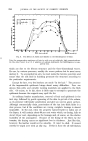
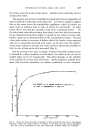
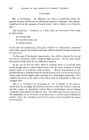
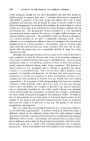
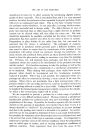
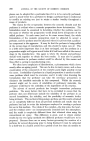
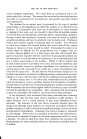
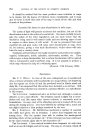
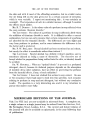
29,6 JOURNAL OF THE SOCIETY OF COSMETIC CHEMISTS TABLE X Growth on agar Organism Treatment containing 0-1 Nipa 82121 , . staph. albus Washed in saline (control) -- Treated with Tween 80 Washed once after Tween 80 _ Washed twice after Tween 80 -- Washed three times after Tween 80 -- Strep. bovis Washed in saline (control) -- Treated with Tween 80 Washed once after Tween 80 _ •¾ashed twice after Tween 80 _ Washed three times after Tween 80 -- B. coli Washed in saline (control) Treated with Tween 80 Washed once after Tween 80 •Vashed twice after Tween 80 Washed three times after Tween 89 q- Pseudomo•as Washed in saline (control) -- fluorescens Treated with Tween 80 q- Washed once after Tween 80 -- Washed twice after Tween 80 -- •rashed three times after Tween 80 -- I)ISCUSSION Most of the work reported in this paper was guided by the following hypotheses regarding the possible mechanisms involved in inactivation. (a) The preservative might be effectively removed from solution by envelopment in the nonionic micelle. This might be associated with formation of complexes, possibly by linkage with hydroxyl and/or polar groups of the preservative molecule, and oxygen bridges in the nonionic compound, and also by non-polar Van der Waal forces. (b) Some effect might occur at the bacterial or fungal cell wall. This might prevent effective contact between the organisms and preservative, or alter adsorption processes. (c) Direct chemical action might result in the effective breakdown of the preservative. Parts of these hypotheses have been verified and are discussed below in the light of the experimental results. The study of the effect of nonionics of different chemical structure on preservatives showed that nonionics with strong lipophilic characteristics caused greater inactivation than similar less lipophilic compounds. This supports Arkins '9 claim that some of the preservative is preferentially soluble in the fatty part of the nonionic, leaving insufficient in aqueous solution to act against the micro-organisms. However, the experiments using tallow show that this substantially fatty material does not cause
Purchased for the exclusive use of nofirst nolast (unknown)
From: SCC Media Library & Resource Center (library.scconline.org)