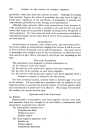
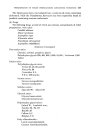
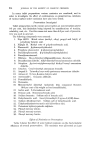
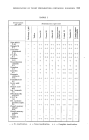
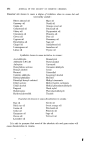
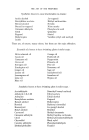
THE ART OF THE PERFUMER 253 Synthetics known to cause discoloration in creams: Anisic alcohol Benzylidene acetone Benzyl alcohol Benzyl iso-eugenol Cinnamic aidehyde Citrai Eugenol Heliotropine Indole Iso-eugenol Methyl' anthranilate Nerolin Nitro musks Phenylacetic acid Quinoline Skatol Vanillin (ethyl and methyl) There are, of course, many others, but these are the main offenders. Essential oils known to have irritating effects in toilet soaps: Bitter almond oil Orange oil Cassia oil Patchouli oil Cinnamon oil Peppermint Cloves oil Pimento oil Estragon oil Pine oil Eucalyptus oil Rosemary oil Ginger oil Sage oil Lemon oil Sandalwood oil Lemongrass oil Sassafras oil Lime oil Thyme oil Mace oil Synthetics known to have irritating effect in toilet soaps .' Acetaidehyde Aldehyde C.8-C.20 Aubepine Benzylidene acetone Benzyl alcohol Borneol Bromstyrol Butyl alcohol Carvacrol Cinnamic aidehyde Citrai Citronellai Cuminic aidehyde Diethyl phthalate Dimethyl benzyl carbinol Ethyl acetate Ethyl alcohol Eugenol Heliotropine Hydroxy citronellai Iso-propyl alcohol Menthol Methyl cinnamate Methyl heptine carbonate Methyl phenylacetaldehyde Musk xylol Phenylacetaidehyde Thymol

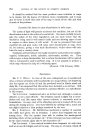
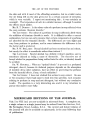
254 JOURNAL OF THE SOCIETY OF COSMETIC CHEMISTS It should be noticed that the same products cause irritation in soaps as in creams, but the degree of irritation varies considerably, and it must also be borne in mind that most of the soap is rinsed off the skin and with it much of the perfume. Essential Oils known to cause discoloration in toilet soaps: The action of light will greatly accelerate this condition, but not all the discoloration is due to the action of essential oils. One must carefully investi- gate the action of the other ingredients and one must ensure that the machinery being used is well coated inside and not showing signs of rust or copper or other traces of soft metal. It can be presumed that most essential oils and gum resins will cause some discoloration in soap, clove oil, for instance, giving a very dark discoloration, whilst others will only turn the soap a creamy colour. Synthetics will not behave very badly except for such products as vanillin, eugenol, heliotropine, indole, quinoline, nitro-musks, neroline, etc. They will not give a deep discoloration, but a certain discoloration will be noticed when a compound is used to perfume soap. It is not possible to produce a white soap without the help of a whitening agent. [Received: 17th February 1958] DISCUSSION MR. F. V. WELLS: In view of the once widespread use of sandalwood oil as a urinary antiseptic and its popularity as a soap perfume, not forgetting also the regular use of the oil and the powdered wood in Hindu ritual and daily life, I am surprised that this oil has been included as an irritant. Will you please tell us whether you consider it a common offender, or a bad offender in this respect. THE LECTURER: Sandalwood oil is an irritant and, although a common offender, is not a bad offender. The irritation caused is slight but is never- theless real and, like many other known irritants, is constantly used in formulations. In soap, most of the offending material is washed off the skin during the rinsing process. It is then followed by rubbing with a towel and any slight irritation is then perhaps unnoticed by the user. MR. J. PICKTHALL: Mr. Botfield has mentioned a number of essential oils which have given rise to irritation. I notice that bergamot was not among these. Has the speaker been able to confirm the much-quoted irritating effects of this particular oil ? If this irritation has been confirmed, do the same remarks apply also to the terpeneless oil ? THE LECTURER: I have noticed irritation from bergamot oil only when used as an eau-de-Cologne and not in soap. The soap is, of course, rinsed off
Purchased for the exclusive use of nofirst nolast (unknown)
From: SCC Media Library & Resource Center (library.scconline.org)