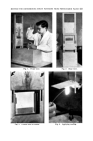
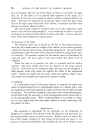
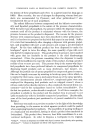
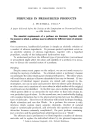
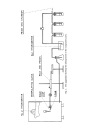
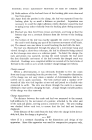
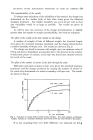
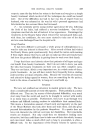
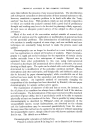
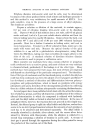
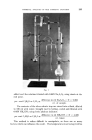
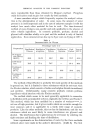
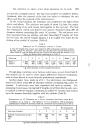
CHEMICAL ANALYSIS IN THE COSMETIC INDUSTRY 265 Fig. 1 added and the solution titrated with 0.05N Na2S203, using starch at the end point. difference in ml Na2S•O3 X N X 2.203 per cent C•H40 as C•H• • wt. of sample. The contents of the silver nitrate trap are rinsed into a flask, diluted to 150 ml with water, brought iust to boiling, cooled and titrated with 0.05N NH•CNS, using ferric alum as indicator. difference in ml NH4CNS X N X 4-405 per cent C•H•O as C2H•I ---- wt. taken This method is rather difficult to manipulate, as there are so many factors which can influence the result. The temperature must be kept within

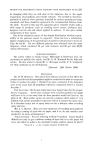
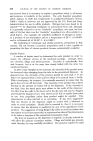
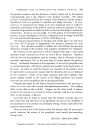
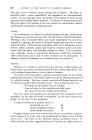
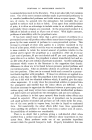
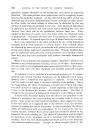
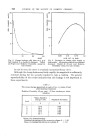
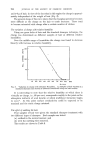
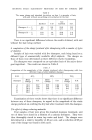
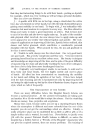
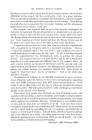
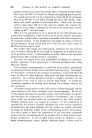
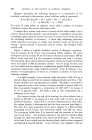
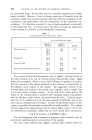
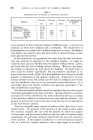
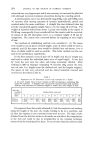
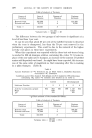
266 JOURNAL OF THE SOCIETY OF COSMETIC CHEMISTS the prescribed limits, the gas flow must be carefully regulated and sudden surges avoided. Moreover, there is always some loss of bromine from the potassium iodide trap and this amount will vary with the conditions of the experiment, and particularly with the temperature of the immediate sur- roundings. It is therefore necessary to run a blank experiment occasionally to determine this loss. A recent paper TM describes in detail the application of this method to a number of polyoxyalkylene compounds. Table 1 DETERMINATION OF ETHYLENE OXIDE Per cent Ethylene Oxide _ Morgan's Siggia's Method Method Theory Ethylene glycol 70.4 71.0 71.0 68.8 71.0 69.3 72.5 Lissapol N 16.5 17.1 16.9 17.0 17.7 Ucon LB. 625 76.5 [ 79.9 74.7 78.8 Lauryl polyoxyethylene alcohol 39.2 40.6 39.9 39.7 39.5 The second method of determination, due to Siggia' 9, although based on the same reaction, is by way of contrast almost fantastically simple. Siggia makes the assumption, which is quite valid if Morgan's equation is accepted, that the amount of free iodine produced in the reaction is proportional to the alkylene oxide content of the sample. The apparatus consists of the reaction flask and condenser previously used, together with a simple trap to prevent escape of iodine vapour. At the end of the reflux period, the iodine in the reaction flask is titrated with standard sodium thiosulphate and the alkylene oxide content calculated from the titre. A blank experi- ment has to be carried out with the same amount of hydriodic acid as the latter always contains some free iodine. In order to reduce this blank to as low a figure as possible the hydriodic acid should be freshly distilled. The original method suggested a simple grease trap to collect iodine vapour, but in our own laboratory a potassium iodide trap has been found more satisfactory. 1 ml N/10 Na2S•O• =_ 0.002203 g C•H40 For investigational and comparative purposes both methods may be carried out simultaneously on one portion of the sample. Our own results indicate that Siggia's method gives results which are
Purchased for the exclusive use of nofirst nolast (unknown)
From: SCC Media Library & Resource Center (library.scconline.org)