PRODUCTION AND PROPERTIES OF GLASS CONTAINERS 33 In modern annealing lehrs of the muffle type, or electrically heated, sulphur dioxide is often deliberately introduced, either to increase durability or mechanical strength. If the outside only of the containers is to be treated, or if these are of the widemouth type, it is sufficient to burn sulphur in the annealing chamber or introduce sulphur dioxide gas into the lehr. If the insides of the bottles only are to be treated, which is more usually the case, and especially if the bottles are of the narrow necked variety sulphur dioxide is directed individually into the•n from a series of jets dispersed in the annealing chamber, or above the conveyor belt transporting the hot bottles from the forming machine to the annealing lehr. An alternative method is to drop pellets of ammonium sulphate into each bottle immediately before entering the lehr. It must be remembered that the sulphuring action generally proceeds to but a small depth in the glass surface, and that in long term usage the resulting silica-rich layer may be penetrated or removed. 2. Use of Silicones The coating of a glass surface with a water-repellant substance, such as a silicone, appears attractive but it is difficult, as yet, to assess the importance of silicones to the container industry generally, as performance claims differ widely between silicone manufacturer and user. The silicone fihn is not very resistant to alkalis, and therefore silicones are of little use when applied to returnable containers, which undergo chemical cleaning operations. In the pharmaceutical trade, however, silicones fulfil two main purposes. Firstly, they prevent an alteration in the pH value of preparations which are critical in this respect by preventing contact between the preparation and the glass surface, and secondly, they enable the medical practitioner to remove from the container small doses of sometimes very costly materials without losses due to droplet formation on the inside of the container, or drops running down the outside. The silicone, usually a dimethyl poly- siloxane, is applied to the container as an emulsion or solution in organic solvents containing 1-2% by weight of siloxane, by dipping if both surfaces are to be treated, or by a jet of liquid if for the inside only. The excess is allowed to drain off and the container is heated to the temperature required to cure the film, 2 hr at 200øC being a typical figure. This process is said to be easily included in the usual washing and heat sterilising process at little extra cost, and has been carried out for some years by several pharma- ceutical manufacturers. Typical of the somewhat conflicting evidence of the usefulness of silicones in improving the chemical resistance of ordinary containers, are the results of some tests carried out in one of our works on 8 oz square sauce bottles, normally sulphur treated by admission of sulphur dioxide into the annealing lehr. For convenience, the bottles were treated

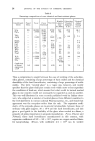
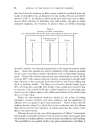
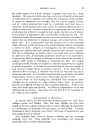
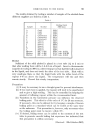
JOURNAL OF THE SOCIETY OF COSMETIC CHEMISTS by dipping in a 2% solution of a silicone in carbon tetrachloride and cured for one hour at 110øC. The silicone used contained an appreciable quantity •of unhydrolysed methyl chlorosilanes, and it was thought that the free acid might have an effect similar to sulphur dioxide in neutralising free surface alkali. Sets of bottles (i.e. sulphured, siliconed and untreated) were tested in the same way, i.e., by initial thorough washing followed by autoclaving at 15 p.s.i.g. while filled with carbon dioxide-free distilled water. The extracts were later boiled with excess sulphuric acid and back titrated with caustic soda and bromothymol blue. Results obtained, expressed as total alkali extracted in mg soda/sq. decimetre, for different autoclaving times, are shown in Table g. A marked superiority of the sulphur-treated bottles is indicated, with little improvement by siliconing over untreated ones. As the period of test increased, however, values approached each other and it appears possible that eventually the siliconed bottles might have a lower extraction than untreated or sulphured specimens. This could be due to the protection by the silicone film of the surface of the glass from attack by the increasingly alkaline solution. (In all tests, the silicone films appeared to be intact at the conclusion of the run, when dried at 110øC and examined.) It would appear, therefore, that for neutral solutions under normal condi- tions of usage, siliconed bottles have little advantage over normal untreated bottles, so far as possible extraction of alkali from the glass is concerned. Over prolonged storage periods, however, or if the original solution is slightly alkaline, there could be some advantage in their use. Table 4 Summary of results of autoclave tests on 8-oz. sauce bottles Total Alkali Extracted as mg NagO per sq. decimetre Type ot Set I: I hr. Set II: g hrs. Set II1: 3 hrs. Set IV: 4 hrs. Treatment Average Standard Average Standard Average Standard Average Standard Value Deviation Value Deviation Value Deviation Value Deviation Untreated 1.18 0.08 1.60 0.07 2.22 0.05 2.54 0.08 Silicane treated 1.11 0.07 1.43 0.02 2.00 0.08 2.53 0.03 Sulphur treated 0.49 0.07 0.67 0.08 1.68 0.05 2.08 0.06 Interest in general container manufacturing in the use of silicones has centred mainly in their external application, as a means of increasing mech- anical resistance of bottles and reducing breakage on high speed filling and capping machines. In this case, the silicone is usually sprayed into the containers in the annealing lehr, with the inevitable result that at least a light coating is applied to the insides of the bottles, sometimes with dis- .advantageous results. Hughes a reported having to abandon a series of
Purchased for the exclusive use of nofirst nolast (unknown)
From: SCC Media Library & Resource Center (library.scconline.org)