Facing page 391

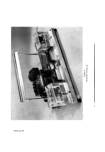
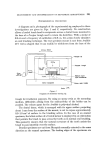
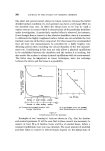
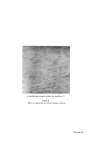
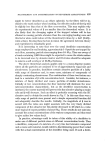
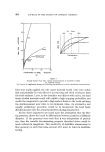
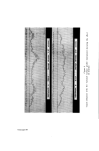
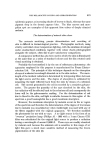
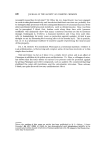
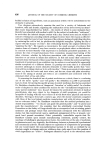
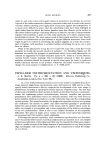
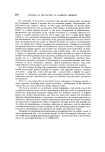
MEASUREMENT AND INTERPRETATION OF DENTIFRICE ABRASIVENESS 391 EXPERIMENTAL PROCEDURE A diagram and a photograph of the experimental rig employed in these investigations are given in Figs. I and 2, respectively. Its construction allows a loaded brush head to reciprocate across a dental tissue mounted in the base of a Perspex trough used to retain the dentifrice. With a stroke of 3.8 cm and a frequency of oscillation of 2.5 c/s, the action closely simulates an oral brushing technique. The test specimen mount is cast from Araldite MY 753 so shaped that it can readily be withdrawn from the base of the Stroke 58mm 2.5
Drive c...•_• ] cm Scale I • Figure 1 Diagram of dentifrice testing rig • Perspex lid Perspex trough Medium hard nylon toothbrush •Epoxy resin holder trough for irradiation purposes. By using an epoxy resin as the mounting medium, difficulties arising from the radioactivity of the holder can be avoided. The release agent for the A raldite is polyvinyl alcohol. The dental tissue, which is arranged with its upper surface projecting about 1 mm from the surface of the mount, is cut to expose approximately 0.5-1.0 cm2 of surface to the brushing action. In the case of an enamel specimen, the labial surface of a frontal incisor is employed in an orientation that permits the brush to pass across the tooth as in normal oral brushing. This geometry ensures that the natural curvature of the tooth assists the brush to pass smoothly over the surface. Dentine specimens are cut from Bicuspids normally oriented in the same direction as the enamel specimens. The leading edges of the specimens are
Purchased for the exclusive use of nofirst nolast (unknown)
From: SCC Media Library & Resource Center (library.scconline.org)